The ancient people who were neither Gaulish nor Roman
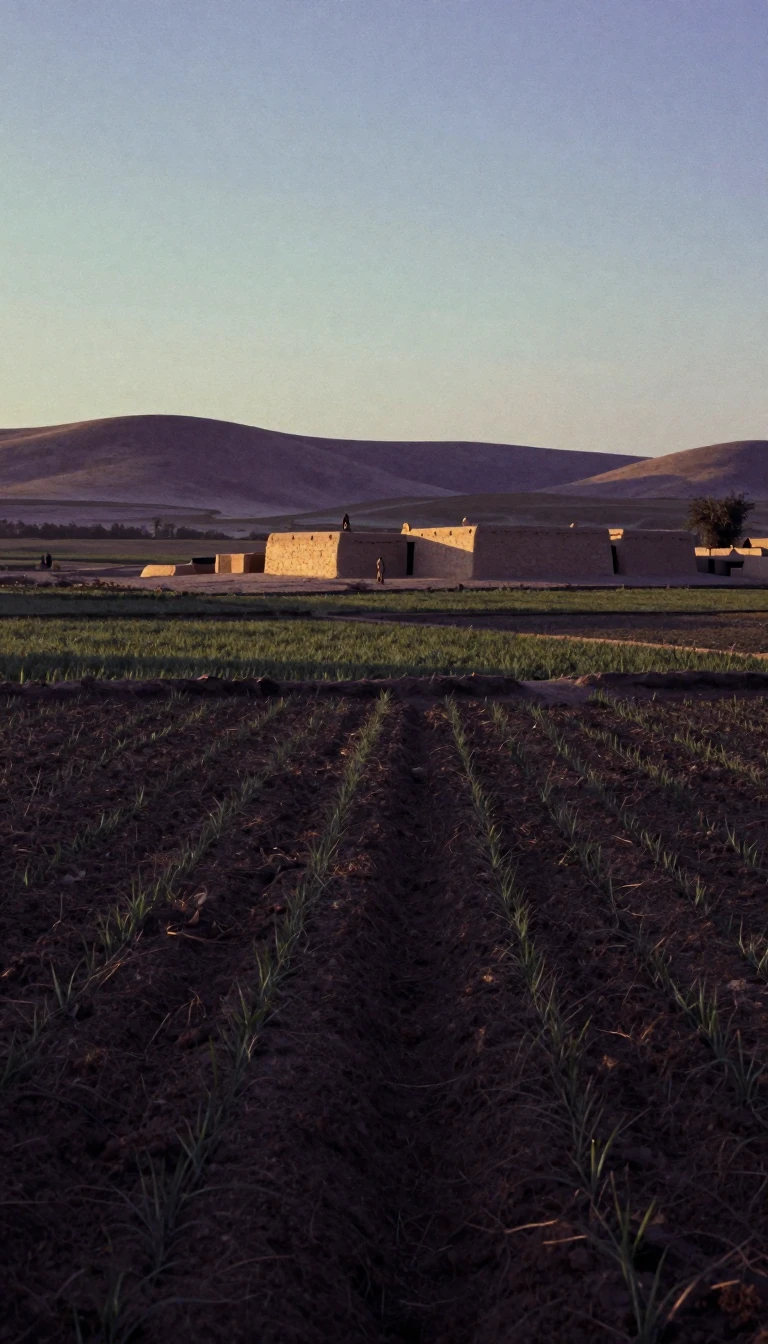
In short: In the southwest of Gaul, a distinct culture defied the prevailing Celtic identity. The Aquitani were defined by their own language, laws, and physical builds, maintaining deep ties with northern Iberia while remaining politically fragmented. They weren't just another tribe; they were a cultural world apart.
The Aquitani occupied a roughly triangular territory bounded by the Garonne, the Pyrenees, and the Atlantic Ocean. Ancient historians, including Caesar and Strabo, distinguished them from the Gauls and Belgae based on three primary factors: language, institutions, and physical appearance. While the Gauls were characterized by gold coinage and La Tène practices, the Aquitanian region was marked by handmade pottery and a monetary system based on silver and bronze.
This cultural divide was so pronounced that the Garonne was often treated as a frontier between distinct worlds. Politically, the Aquitani were never a unified state but a mosaic of small, often obscure peoples. Strabo identified more than twenty such groups, while Pliny’s list reached twenty-eight. Their shared identity was primarily ideological, finding its most concrete expression in a military coalition against Rome in 56 BC.
During this conflict, they were supported by auxiliaries and commanders from northern Hispania, highlighting their long-standing ties across the Pyrenees. Even under Roman rule, they remained distinct; Augustus eventually expanded the name 'Aquitania' to include much larger Gaulish-speaking territories, leaving the original ethnic heartland as a smaller sub-region. Linguistically, the indigenous Aquitanian language is now largely lost, surviving primarily through personal and divine names in Latin inscriptions. These names show a close affinity with the Basque language, featuring exclusive correspondences in roots and sound systems. While some scholars debate how directly Aquitanian serves as an ancestor to modern Basque, the region's history remains a testament to a persistent cultural identity that resisted the homogenization of the surrounding Celtic and Roman spheres.
Opens the Intellect+ feed with this card first. Swipe up for the next one.
Sources
- Summary by Intellect · source: Aquitani
To cite this card, link to https://intellectplus.co.uk/app/wars-aquitani.
How we source, check and correct cards: Editorial standards.
General information, not professional advice. Spotted an error? Flag the card or see corrections and complaints.
Intellect Plus is a visual educational discovery platform for exploring fascinating facts and ideas. Brain Food, Not Brain Rot. What is Intellect Plus?
Related
More in Medieval wars · More in Wars & Conflicts · Latest · A–Z · All topics
