Why the once-mighty armoured train became a vulnerable relic of twentieth-century warfare
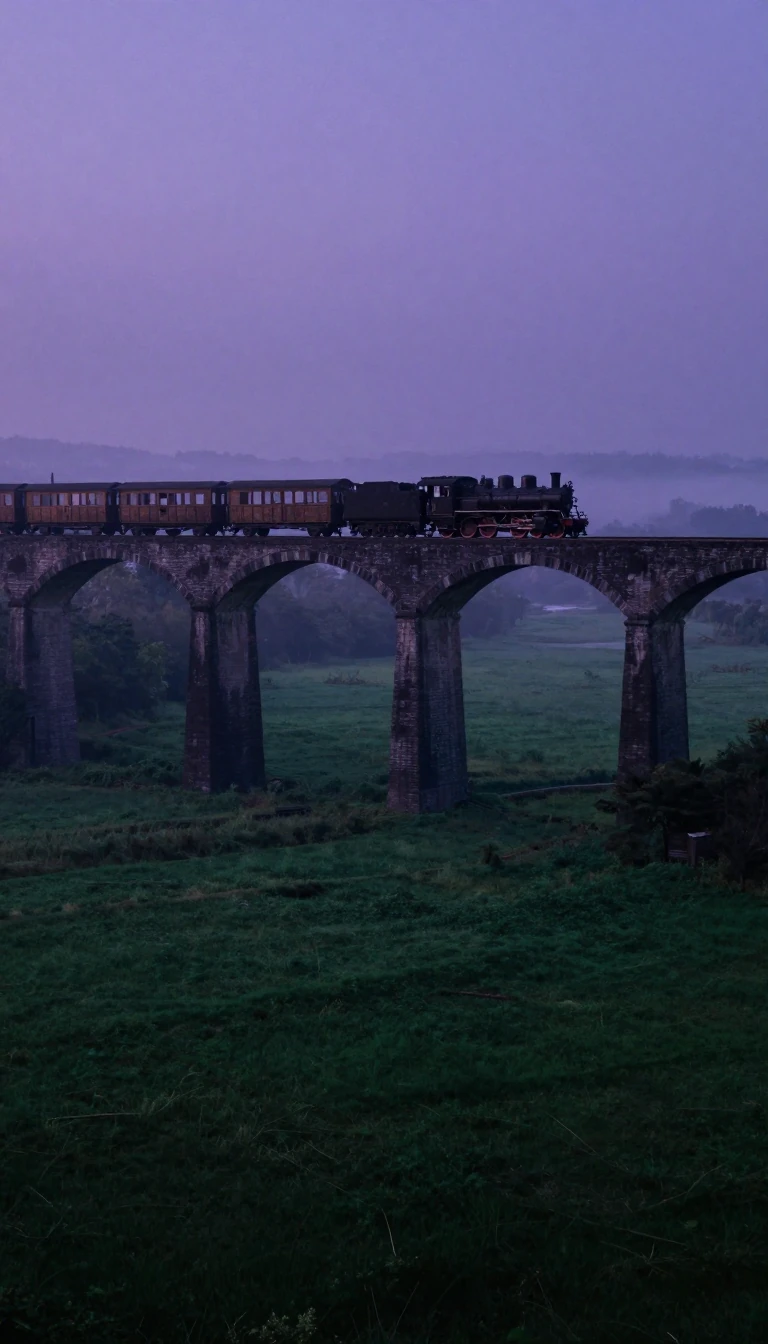
In short: Armoured trains were once the cutting edge of mobile firepower, designed to project strength along vital rail arteries. Yet, their reliance on fixed tracks ultimately rendered them sitting ducks for modern air power and sabotage. Today, they survive only as rare, improvised tools in specific, high-stakes conflicts.
At their peak in the late 19th and early 20th centuries, armoured trains offered a revolutionary way to transport heavy artillery and infantry rapidly across vast distances. These systems were essentially fortresses on wheels, featuring metal-plated wagons equipped with everything from machine guns to anti-tank turrets. During the Russian Civil War, the Bolsheviks operated over 100 such trains, while nations like Estonia and Lithuania built their own fleets to secure borders and control critical infrastructure like the Trans-Siberian Railway.
Despite their impressive appearance, these trains were inherently fragile. As Winston Churchill famously noted after his capture during the Second Boer War, a single destroyed bridge or culvert could leave the entire monster stranded and helpless. This vulnerability became even more pronounced as road vehicles gained speed and flexibility, and as air superiority made rail lines easy targets. By the mid-20th century, the rise of Allied air power in places like Sicily and the Soviet destruction of German trains near Lublin in 1944 demonstrated that these systems could no longer survive on the modern battlefield.
While most nations abandoned them after World War II, the concept has seen occasional, niche revivals. During the Cold War, the USSR developed railway-based ICBMs to ensure a retaliatory strike capability, and improvised trains have appeared in conflicts ranging from the Yugoslav wars to the 2022 Russian invasion of Ukraine. Today, these trains serve less as primary combat platforms and more as specialized, often improvised, tools for specific logistical or defensive needs, far removed from their historical role as the dominant mobile artillery of the Great War era.
Opens the Intellect+ feed with this card first. Swipe up for the next one.
Sources
- Summary by Intellect · source: Armoured train
To cite this card, link to https://intellectplus.co.uk/app/wars-armoured-train.
How we source, check and correct cards: Editorial standards.
General information, not professional advice. Spotted an error? Flag the card or see corrections and complaints.
Intellect Plus is a visual educational discovery platform for exploring fascinating facts and ideas. Brain Food, Not Brain Rot. What is Intellect Plus?
Related
More in Wars since 1945 · More in Wars & Conflicts · Latest · A–Z · All topics
