Arles: A Roman powerhouse that became the unlikely canvas for Van Gogh's genius
In short: Once a strategic Roman capital governing Gaul and Spain, Arles evolved into a quiet sanctuary for artists. From the world's greatest ancient mechanical mill complex to the site of a controversial Caesar bust, this sprawling French commune hides layers of history beneath its modern, sun-drenched Mediterranean charm.
Arles, located in the Bouches-du-Rhône department, holds the title of the largest commune in Metropolitan France by geographic territory, covering 758.93 square kilometers. Its history is deeply rooted in its geography; the name Arelate, meaning 'by the marsh,' reflects its position at the mouth of the Rhône. Initially a Greek trading base, it was seized by Rome in 123 BC. By the 4th and 5th centuries, it reached its zenith as a Roman imperial headquarters, governing Gaul, Hispania, and Armorica with a population estimated between 75,000 and 100,000.
The city's Roman legacy is physically immense. It once housed the Barbegal aqueduct and mill, a complex of 16 water wheels that represented the greatest concentration of mechanical power in the ancient world. Today, the city is famous for its UNESCO-listed Roman and Romanesque monuments, including an amphitheatre and the Church of St. Trophime. These structures survived centuries of transformation, including the amphitheatre's conversion into a fortress during the Middle Ages, when the city was a capital of the Kingdom of Burgundy-Arles.
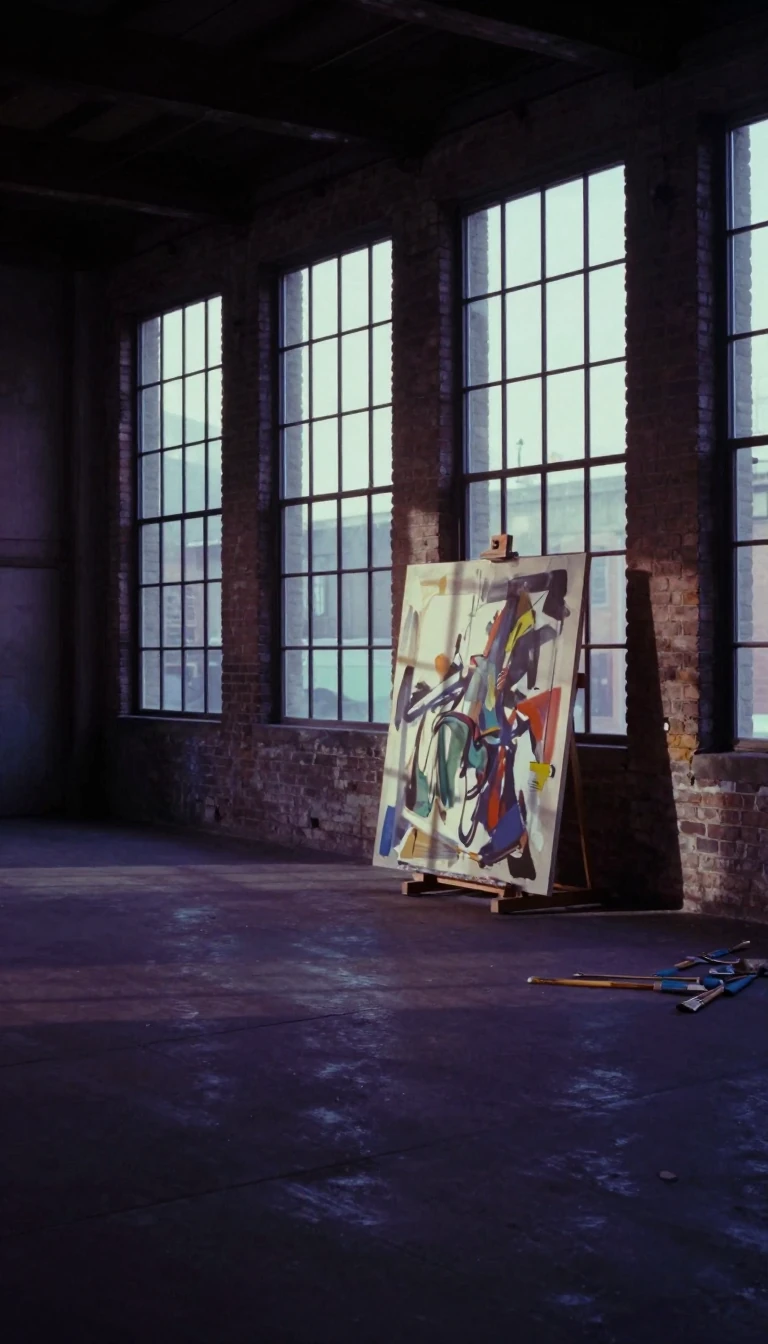
In the 19th century, Arles transitioned from a bustling river port to an artistic hub. Vincent van Gogh arrived in 1888, producing over 300 works in just over a year, including masterpieces like 'The Night Cafe' and 'Starry Night Over the Rhone.' His time there was marked by both creative intensity and personal turmoil, ending in his departure for a nearby asylum in 1889. The city remains a cultural center today, hosting an annual international photography festival and housing the publishing house Actes Sud.
Modern archaeology continues to stir debate in Arles. In 2007, divers discovered a marble bust in the Rhône that French officials claimed was the oldest known portrait of Julius Caesar. However, experts like Paul Zanker and Mary Beard have challenged this, citing stylistic inconsistencies and questioning the motives behind the announcement. This tension between the city's ancient prestige and its modern interpretation remains a defining feature of Arles.
Opens the Intellect+ feed with this card first. Swipe up for the next one.
Sources
- Summary by Intellect · source: Arles
- Also: Wikidata — Arles · CC0
To cite this card, link to https://intellectplus.co.uk/app/places-arles.
How we source, check and correct cards: Editorial standards.
General information, not professional advice. Spotted an error? Flag the card or see corrections and complaints.
Intellect Plus is a visual educational discovery platform for exploring fascinating facts and ideas. Brain Food, Not Brain Rot. What is Intellect Plus?
Related
More in Cities · More in Countries & Cities · Latest · A–Z · All topics
