The genetic ghost of an ice-age lineage hidden in Spain
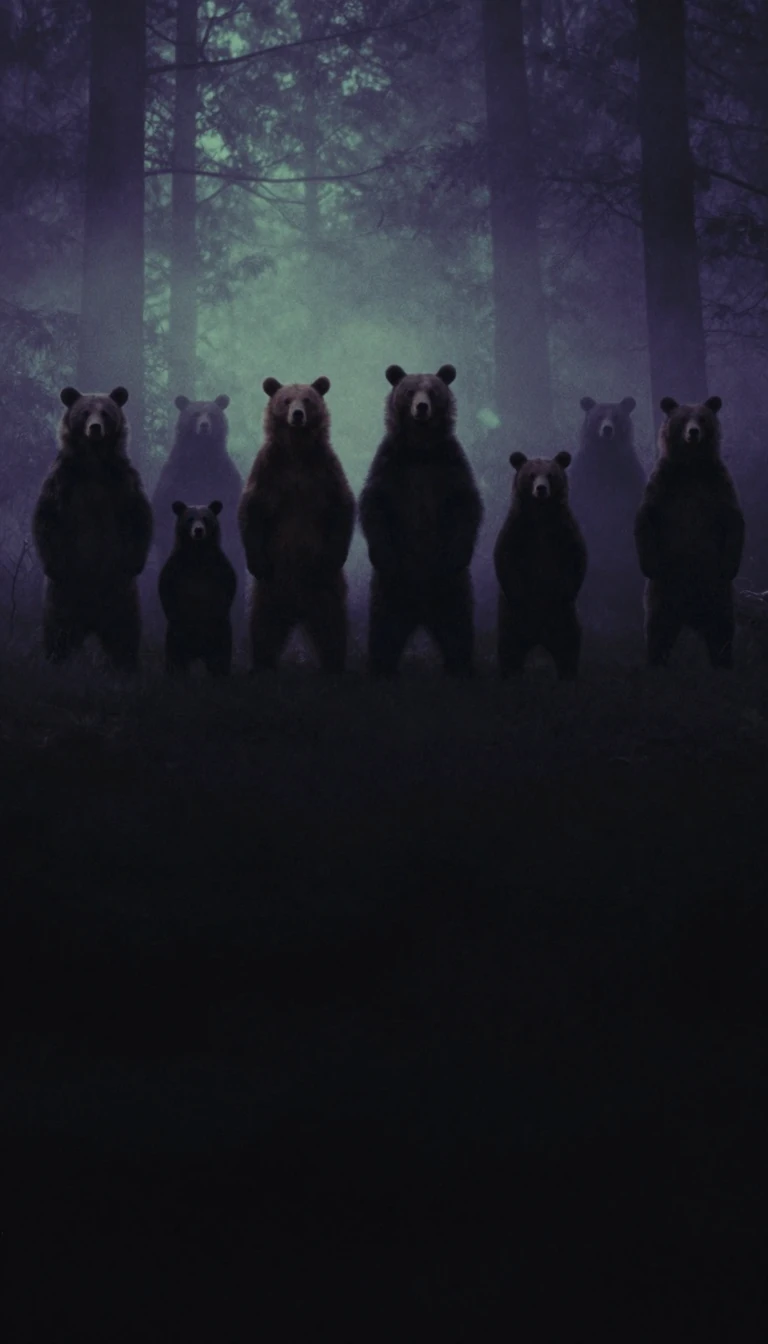
In short: Deep within the Cantabrian Mountains, a population of brown bears carries a biological map of the Pleistocene. While once thought to be a distinct subspecies, DNA reveals they are actually a resilient western lineage that survived the retreat of massive ice sheets by carving out a rugged sanctuary.
The scientific classification of the Cantabrian brown bear has shifted significantly with the advent of modern genetics. In 1914, researcher Cabrera classified it as a distinct subspecies, Ursus arctos pyrenaicus, noting its unique yellow-tipped hair and black paws. However, mitochondrial DNA research eventually led to a consensus that these bears are not a separate subspecies but part of a broader western genetic lineage of the Eurasian brown bear.
This lineage was shaped by the massive ice sheets of the Pleistocene. As glaciers advanced and retreated, they acted as effective barriers, forcing bears to migrate in specific directions—north and eastwards into the Alps and Balkans, and south and westwards. This left the Cantabrian population as a remnant of a post-glacial recolonization. Interestingly, their closest relatives are not found in neighboring mountains but in the southern regions of Sweden.
Today, the species faces a precarious existence due to human pressure. Since the first half of the 20th century, the population has been reduced to two isolated enclaves in Northern Spain, separated by roughly 30–40 km of infrastructure. This fragmentation has caused genetic complications in the smaller eastern group, including an increased ratio of male births and higher probabilities of birth defects. Conservationists are now racing to reconnect these populations using centuries-old corridors and new initiatives like the proposed Gran Cantábrica super-reserve.
The survival of the bear is further complicated by modern regulations and climate change. While a 1973 hunting ban protects them, EU laws regarding bovine spongiform encephalopathy (BSE) force the removal of carcasses—a vital source of fat for bears preparing for winter. Additionally, recent mild winters have left scientists uncertain about whether these bears will continue to hibernate as they traditionally have.
Opens the Intellect+ feed with this card first. Swipe up for the next one.
Sources
- Summary by Intellect · source: Cantabrian brown bear
To cite this card, link to https://intellectplus.co.uk/app/wars-cantabrian-brown-bear.
How we source, check and correct cards: Editorial standards.
General information, not professional advice. Spotted an error? Flag the card or see corrections and complaints.
Intellect Plus is a visual educational discovery platform for exploring fascinating facts and ideas. Brain Food, Not Brain Rot. What is Intellect Plus?
Related
More in Ancient & biblical wars · More in Wars & Conflicts · Latest · A–Z · All topics
