The ancient obelisks that traveled the world to escape being crushed
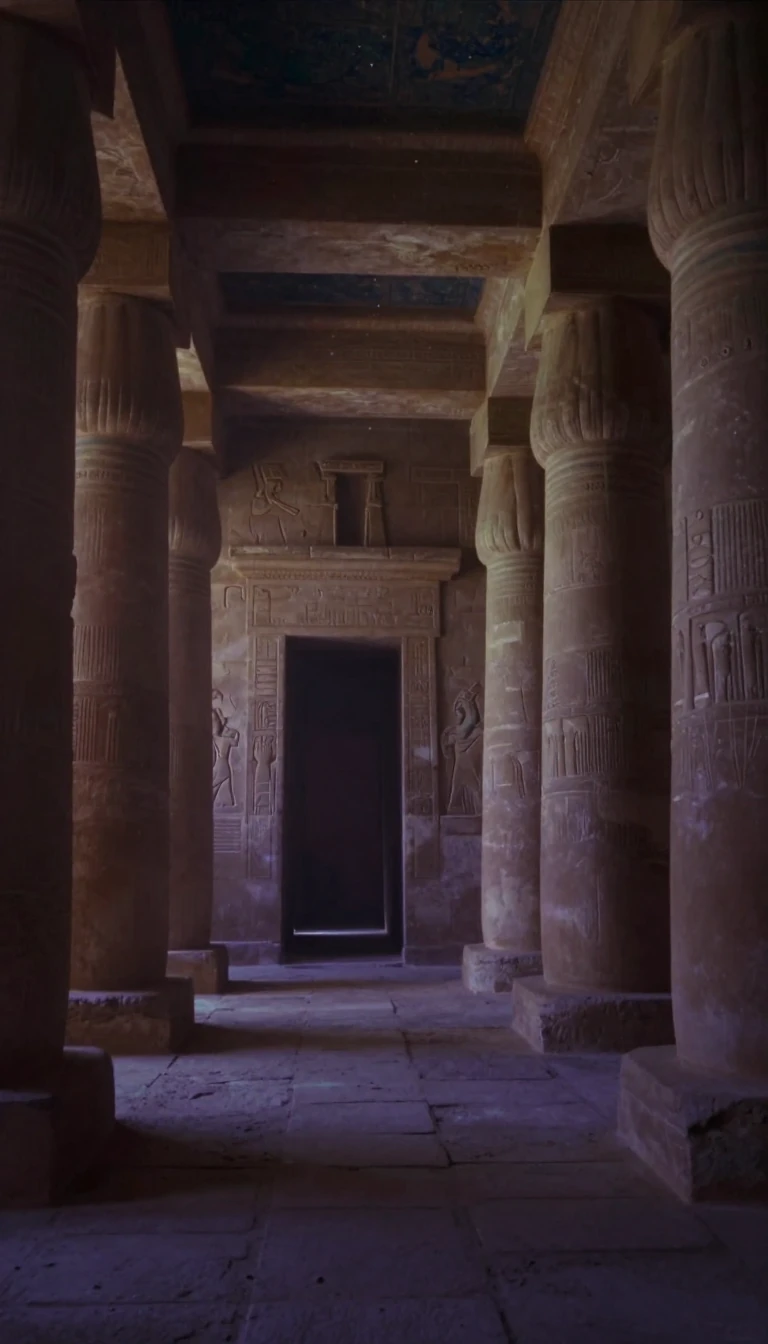
In short: Two towering Egyptian monuments survived millennia of earthquakes and wars only to face a modern threat: being broken up for construction materials. Their journey from the sands of Alexandria to the skyline of London and New York is a saga of high-stakes diplomacy, private sponsorship, and a desperate race against the wrecking ball.
Originally carved during the New Kingdom period, these obelisks were inscribed by the 18th dynasty pharaoh Thutmose III and the 19th dynasty pharaoh Ramesses II. They were moved to the Caesareum of Alexandria in 13/12 BCE by the prefect Publius Rubrius Barbarus. While they are famously known as 'Cleopatra's Needles' in the West, this name likely stems from the French term 'Les aiguilles de Cléopâtre.' Historical records suggest they were much older than the city of Alexandria itself, as the hieroglyphs on their surfaces were already a lost art by the time the city was founded.
The monuments faced significant physical trials over the centuries. One of the needles was toppled during a massive earthquake in 1303 CE, which also damaged the Lighthouse of Alexandria. By the 17th century, travelers described one needle as standing and the other lying half-buried in debris. In the 1800s, the situation became dire: the owner of the land in Alexandria where the fallen needle sat proposed to smash the monument into pieces to use as building material. This sparked a rescue campaign led by James Edward Alexander and funded by anatomist William James Erasmus Wilson.
The needles eventually reached their current homes through distinct political maneuvers. The London needle was a gift from Muhammad Ali Pasha in 1819, though it sat in Egypt for decades due to high shipping costs until Wilson sponsored its 1877 transport. The New York needle was secured in 1877 by U.S. Consul General Elbert E. Farman as a gift from Khedive Isma'il Pasha, who appreciated the United States remaining neutral while European powers vied for control of Egypt. Today, the London needle still bears shrapnel scars from a 1917 German air raid during World War I.
Opens the Intellect+ feed with this card first. Swipe up for the next one.
Sources
- Summary by Intellect · source: Cleopatra's Needles
To cite this card, link to https://intellectplus.co.uk/app/wars-cleopatra-s-needles.
How we source, check and correct cards: Editorial standards.
General information, not professional advice. Spotted an error? Flag the card or see corrections and complaints.
Intellect Plus is a visual educational discovery platform for exploring fascinating facts and ideas. Brain Food, Not Brain Rot. What is Intellect Plus?
Related
More in Ancient & biblical wars · More in Wars & Conflicts · Latest · A–Z · All topics
