The ancient City of the Sun that provided the world with its iconic obelisks.
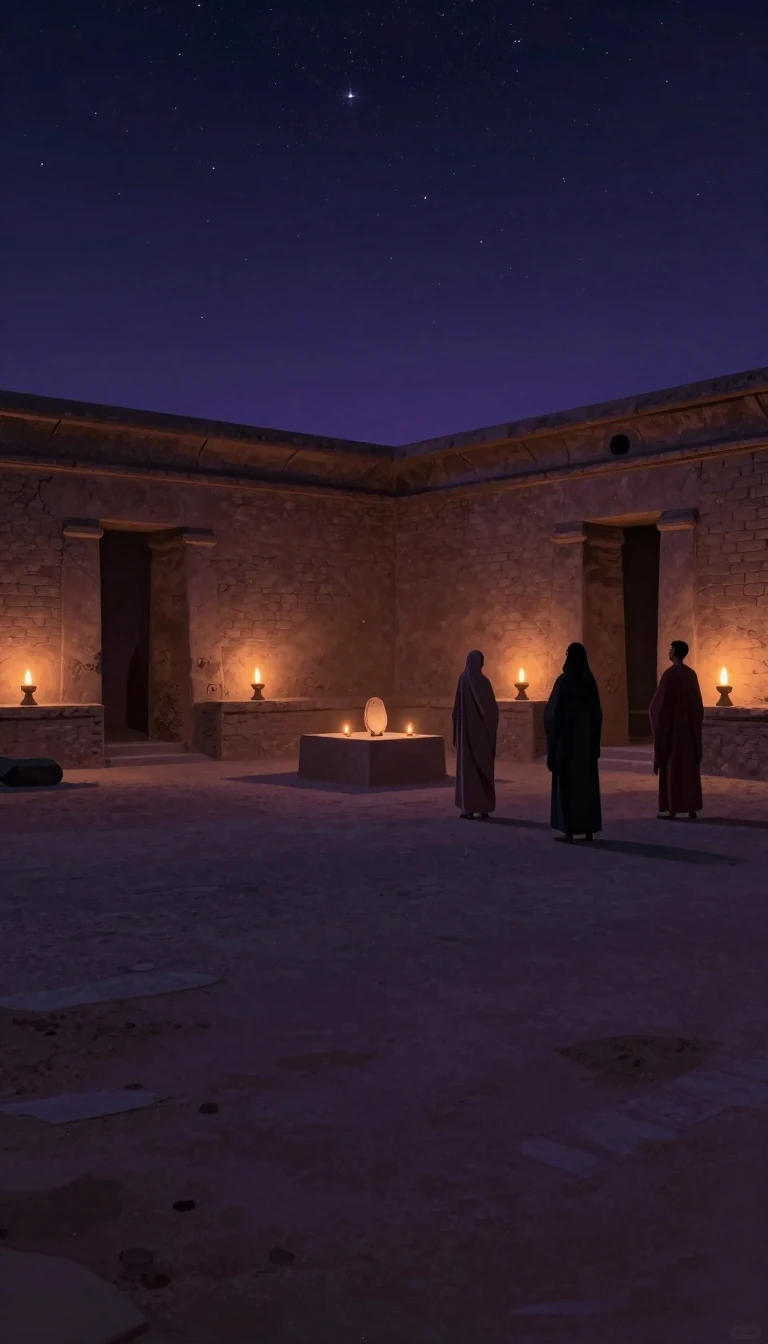
In short: Heliopolis was once the spiritual heart of ancient Egypt, a legendary center for the worship of the sun god, Re. While its grand temples have largely vanished, scavenged to build medieval Cairo, the city’s legacy remains scattered across the globe in the form of its towering, iconic granite obelisks.
Known in ancient Egyptian as Iunu, meaning the Pillars, Heliopolis served as a vital religious hub rather than a political capital. During the New Kingdom, spanning roughly 1539 to 1075 BCE, its great temple dedicated to Re was surpassed in scale only by the temple of Amon at Thebes. The city’s influence peaked during the 5th Dynasty, between approximately 2465 and 2325 BCE, when the sun cult was elevated to the status of the state religion.
Today, the site lies within the modern districts of Ain Shams and El Matareya in northeastern Cairo. Because the city’s stone structures were repurposed for medieval construction, physical remains are scarce. The most significant survivor is the 21-meter red granite obelisk erected by Senusret I of the Twelfth Dynasty. Weighing 120 tons, it stands in its original position in el-Masalla and is widely considered the oldest surviving obelisk in the world.
The city’s architectural reach extended far beyond Egypt. Following the Roman conquest, emperors relocated several of its monuments to Rome. Emperor Caligula transported the 25-meter Vatican obelisk, which remains the only ancient obelisk in the city that never toppled. Emperor Augustus similarly moved the Obelisk of Montecitorio to Rome. Other famous exports include the pair known as Cleopatra’s Needles, commissioned by Thutmose III, which now stand in London and New York City, serving as silent, enduring witnesses to a lost civilization.
While historical records provide most of our knowledge about the city, the exact nature of its daily life remains a subject of study. The priesthood of Heliopolis held immense power, shaping the theological landscape of the Old and Middle Kingdoms. Despite the destruction of its physical footprint, the city’s symbolic importance as the City of the Sun continues to define our modern understanding of ancient Egyptian religious life.
Opens the Intellect+ feed with this card first. Swipe up for the next one.
Sources
- Summary by Intellect · source: Heliopolis (ancient Egypt)
- Also: Heliopolis | Old Kingdom, Sun Cult, Obelisks | Britannica
To cite this card, link to https://intellectplus.co.uk/app/places-heliopolis-ancient-egypt.
How we source, check and correct cards: Editorial standards.
General information, not professional advice. Spotted an error? Flag the card or see corrections and complaints.
Intellect Plus is a visual educational discovery platform for exploring fascinating facts and ideas. Brain Food, Not Brain Rot. What is Intellect Plus?
Related
More in Historical cities, towns and archaeological sites · More in Countries & Cities · Latest · A–Z · All topics
