The evolution of 'Commander' from ship master to global authority
In short: Is 'Commander' a rank, a job, or a legacy? While it signifies high authority in navies and police forces today, its origins lie in 18th-century maritime necessity. From commanding small sloops-of-war to leading NASA missions, the title reflects a complex history of who—and what—is allowed to lead.
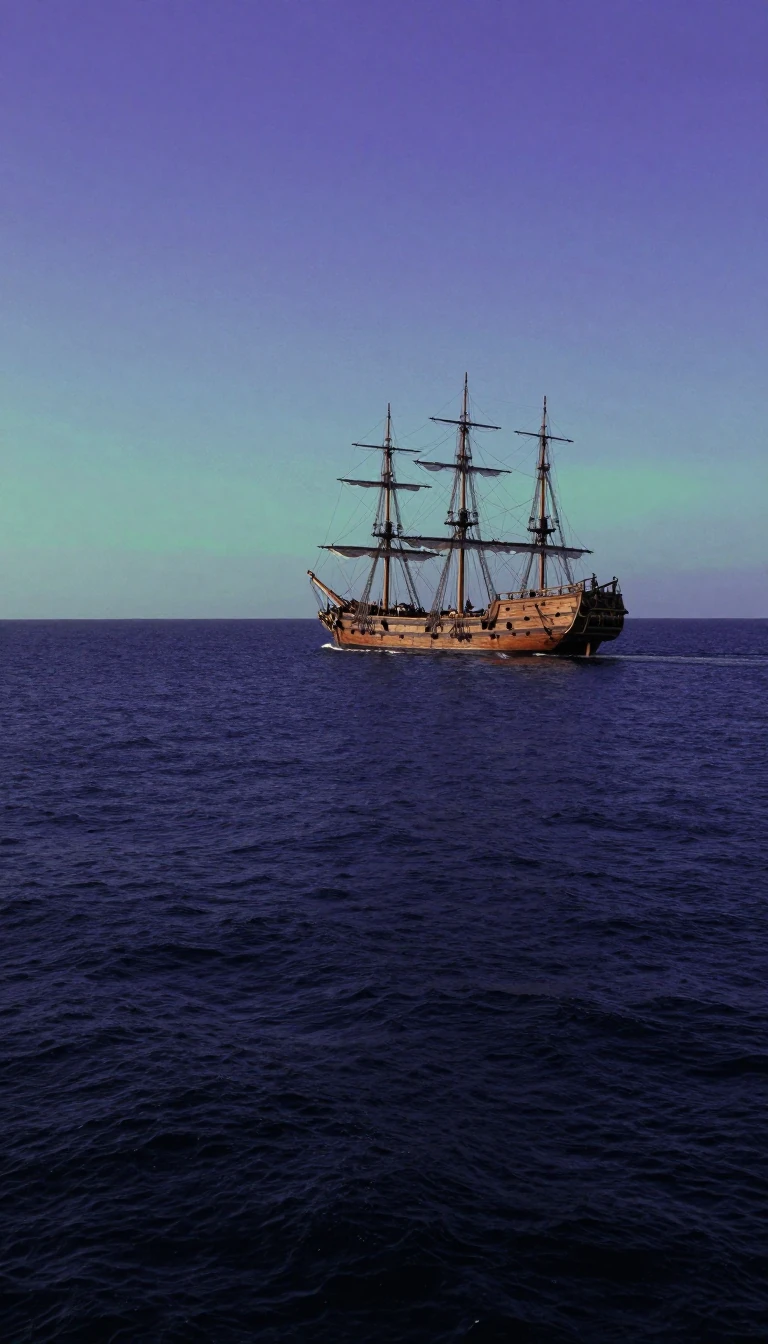
The term 'Commander' originated in the 18th century as 'master and commander.' This specific designation was created for naval officers who commanded ships of war too large for a lieutenant to handle, but too small to justify a post-captain or a sailing master. In practice, these were often unrated sloops-of-war with no more than 20 guns. Because the commanding officer served as his own master, the Royal Navy eventually shortened the title to 'commander' in 1794. This distinction highlights a period where naval hierarchy was dictated by the physical limitations of the vessel.
In modern military structures, the term is frequently used as a job title rather than a fixed rank. In the US Army, for example, a captain might be a 'company commander,' while a lieutenant colonel typically holds the title of 'battalion commander.' Conversely, in many navies, Commander is a formal rank. In the US Navy, it is a senior-grade officer rank (O-5), notably the first level where an officer wears an embellished cap. In the Royal Navy, it sits between lieutenant commander and captain, carrying the authority to command a frigate, destroyer, or submarine.
The title's application varies significantly by nation and branch. In the Romanian Armed Forces, 'Comandor' is a rank equivalent to a Colonel (OF-5). In the Royal Netherlands Navy, 'Commandeur' is the equivalent of a commodore, while in the Dutch Republic, it could be an ad hoc title for anyone commanding a ship without the appropriate rank. Even in civilian spheres, the title persists: it designates the pilot in command of a civil aircraft and the primary decision-maker for NASA spacecraft missions, where the commander coordinates with Mission Control.
Police forces also utilize the rank, particularly in the UK. The Metropolitan Police introduced 'Commander' in 1946 to distinguish junior deputy assistant commissioners. In these contexts, the rank is a high-level chief officer position. This diverse usage—spanning from colonial 'Commandeurs' in Caribbean islands to modern Space Force 'delta commanders'—demonstrates how a single word can evolve from a specific maritime technicality into a universal symbol of operational leadership.
Opens the Intellect+ feed with this card first. Swipe up for the next one.
Sources
- Summary by Intellect · source: Commander
To cite this card, link to https://intellectplus.co.uk/app/wars-commander.
How we source, check and correct cards: Editorial standards.
General information, not professional advice. Spotted an error? Flag the card or see corrections and complaints.
Intellect Plus is a visual educational discovery platform for exploring fascinating facts and ideas. Brain Food, Not Brain Rot. What is Intellect Plus?
Related
More in History · Latest · A–Z · All topics
