Did Djedkare Isesi’s sweeping administrative reforms inadvertently trigger the collapse of the Old Kingdom?
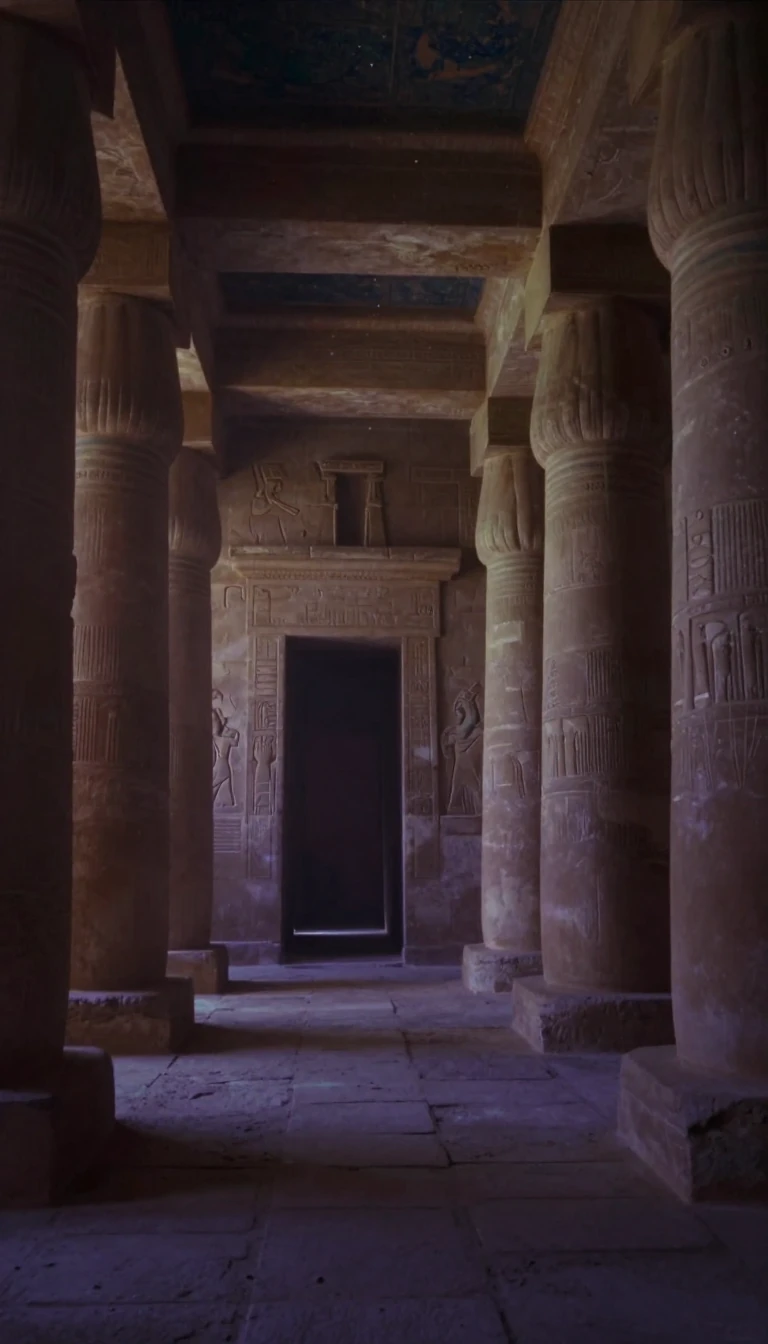
In short: Djedkare Isesi, a pharaoh of the Fifth Dynasty, ruled for over four decades and reshaped the Egyptian state. By decentralizing power and abandoning traditional sun temple construction, he left a legacy that remains debated by modern scholars, who argue whether his policies stabilized the kingdom or planted seeds for its eventual downfall.
Djedkare Isesi, known in Greek as Tancheres, reigned during the late 25th to mid-24th century BC. His rule marked a significant departure from the traditions of his predecessors, most notably in his decision to cease the construction of sun temples—a practice established by Userkaf. This shift may reflect the rising prominence of Osiris within the Egyptian pantheon. His administration was characterized by comprehensive reforms, the first of their kind since the introduction of ranking titles, alongside a major reorganization of the funerary cults at Abusir. These administrative changes were so extensive that they are often cited as the primary reason for the survival of numerous papyrus archives from that era.
The long-term impact of Djedkare’s decentralization remains a point of contention among Egyptologists. Some, such as Naguib Kanawati, contend that by transferring significant authority to provincial and high-level administrators, Djedkare created a virtual feudal system that ultimately contributed to the state's collapse during the First Intermediate Period, roughly 200 years later. Conversely, scholars like Nigel Strudwick reject this assessment, arguing that despite the reforms, officials never attained enough power to genuinely challenge the king's authority. This debate underscores the complexity of interpreting the administrative evolution of the Old Kingdom.
Beyond internal policy, Djedkare’s reign was a period of active international engagement. He commissioned expeditions to Sinai for copper and turquoise, to Nubia for gold and diorite, and to the Land of Punt for incense. His reign even saw the first recorded use of the term 'Nub' to designate Nubia. Following his death, he was held in high esteem, with his funerary cult persisting through the Sixth Dynasty and into the New Kingdom. He is also remembered as the patron of the vizier Ptahhotep, whose wisdom literature remains one of the earliest examples of its kind.
Opens the Intellect+ feed with this card first. Swipe up for the next one.
Sources
- Summary by Intellect · source: Djedkare Isesi
- Also: Journal of the American Research Center in Egypt — Biological Anthropology and the Study of Ancient Egypt · CC0 (metadata)
To cite this card, link to https://intellectplus.co.uk/app/society-djedkare-isesi.
How we source, check and correct cards: Editorial standards.
General information, not professional advice. Spotted an error? Flag the card or see corrections and complaints.
Intellect Plus is a visual educational discovery platform for exploring fascinating facts and ideas. Brain Food, Not Brain Rot. What is Intellect Plus?
Related
More in Ancient · More in Society · Latest · A–Z · All topics
