How a shift in sea lanes birthed the age of modern colonialism
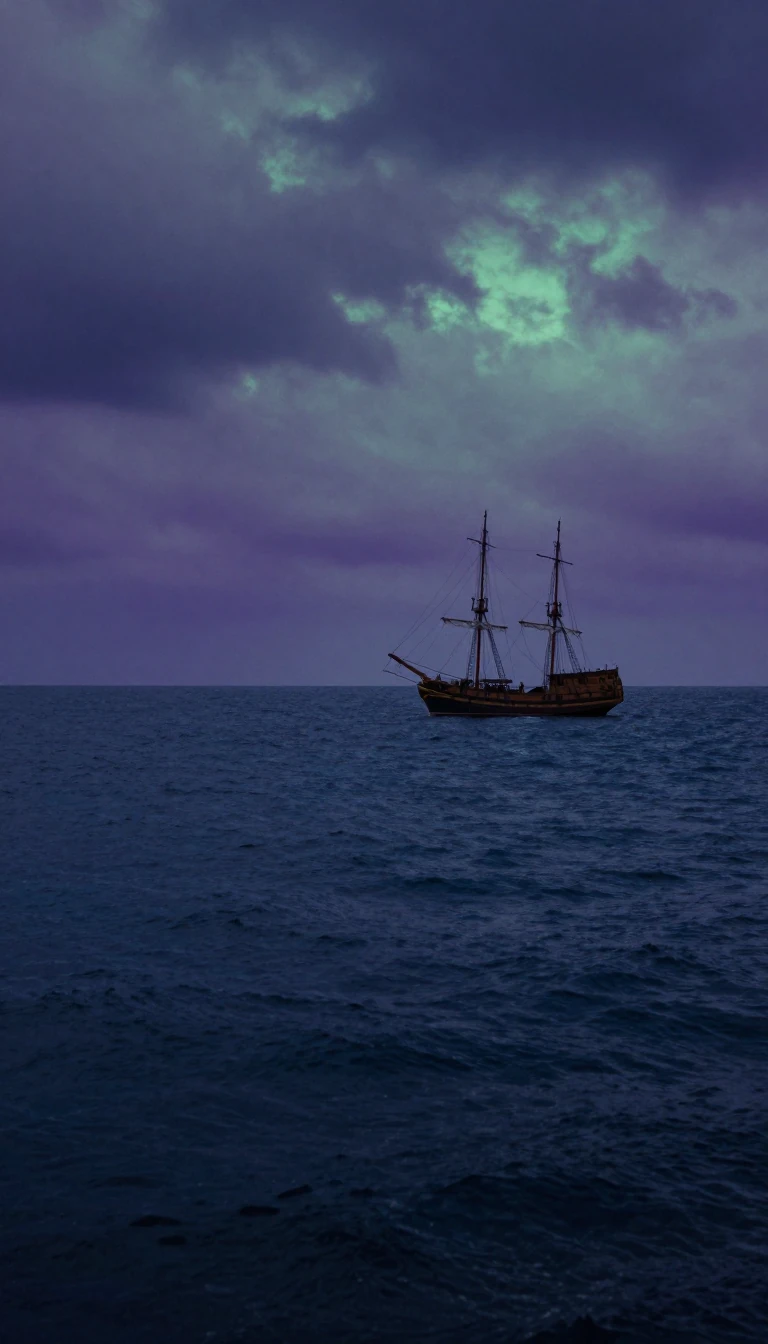
In short: Before 1500, European trade was a Mediterranean affair, dominated by Italian city-states like Venice. But as land routes to Asia became unstable and maritime technology evolved, the center of gravity shifted to the Atlantic. This transition didn't just move goods; it launched a global era of conquest and settlement.
The transition to modern colonialism was catalyzed by two major milestones: the discovery of a sea route around Africa’s southern coast in 1488 and the arrival in the Americas in 1492. These events shifted European sea power away from the Mediterranean and toward the Atlantic. This shift empowered emerging nation-states—specifically Portugal, Spain, the Dutch Republic, France, and England—to begin exploring, conquering, and exploiting vast global territories. This expansion was fueled by a mix of economic ambition and religious zeal. While Italian cities like Venice had long held a virtual monopoly on luxury spices like pepper, nutmeg, and cinnamon, the rise of the Atlantic trade offered new opportunities. Portuguese voyages down the west coast of Africa were driven partly by the desire to find gold mines in Central Africa. Simultaneously, the Papacy played a decisive role in legitimizing these conquests. Through various Papal Bulls, such as the 1455 Romanus Pontifex and the 1481 Aeterni regis, the Church granted lands to Portugal and authorized the enslavement of non-Christians. Technological innovation was the essential engine for this reach. The Mediterranean galley, which relied on many rowers and lacked substantial cargo space, was ill-suited for the open ocean. It was replaced in the early 15th century by the caravel—a light, multi-masted vessel equipped with lateen sails. For even longer voyages, the heavier, rounder carrack (or nao) became the standard. These ships, paired with improved navigational tools like the compass and the astrolabe, allowed Europeans to navigate the Atlantic and Indian Oceans, laying the groundwork for a new era of global interaction.
theme perspective mood reflective
difficulty 2 topics [ history
exploration colonialism
Opens the Intellect+ feed with this card first. Swipe up for the next one.
Sources
- Summary by Intellect · source: Western colonialism | Characteristics, European, in Africa, Examples, & Effects | Britannica
- Also: First wave of European colonization
To cite this card, link to https://intellectplus.co.uk/app/wars-first-wave-of-european-colonization.
How we source, check and correct cards: Editorial standards.
General information, not professional advice. Spotted an error? Flag the card or see corrections and complaints.
Intellect Plus is a visual educational discovery platform for exploring fascinating facts and ideas. Brain Food, Not Brain Rot. What is Intellect Plus?
Related
More in Early modern wars · More in Wars & Conflicts · Latest · A–Z · All topics
