The mountain fortress that defines Tajikistan's highest peaks
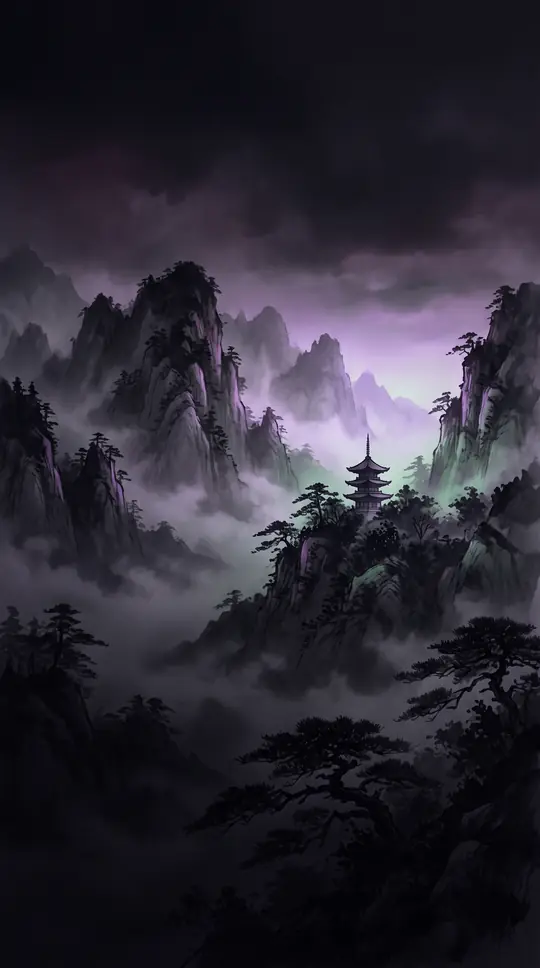
In short: Gorno-Badakhshan is a geographical paradox: it covers nearly half of Tajikistan's land but houses only two percent of its people. This rugged, high-altitude autonomous region serves as a historical buffer zone where imperial powers and local statelets once vied for control over the towering Pamir Mountains.
Located in southeastern Tajikistan, Gorno-Badakhshan (or the Badakhshan Mountainous Autonomous Region) is defined by its extreme geography. While it encompasses 24,595 square miles—nearly forty-five percent of Tajikistan's total land area—its population is a mere 205,949 people. The region is home to some of the highest mountains in Central Asia, giving Tajikistan the highest elevation and most mountain peaks among all five Central Asian states.
The territory's borders are products of complex imperial history. Between the 17th and 19th centuries, various semi-self-governing statelets like Darwaz, Shughnun-Rushan, and Wakhan ruled parts of what is now Gorno-Badakhshan and Afghanistan's Badakhshan Province. These areas were later held by the emirates of Kokand and Bukhara until Russian colonization was completed in 1896. The current borders were solidified through late 19th-century demarcations, including a shared border between the Russian and British empires that created the Wakhan corridor.
The region's political identity shifted significantly during the Soviet era. After the Russian Revolution, it became an autonomous oblast within the Tajik S.S.R., which was elevated to a Soviet socialist republic in 1929. This period marked the first time the Tajik people had their own state structure. Today, the economy remains rooted in agriculture, with rice, wheat, and corn grown in irrigated valleys, while the population—largely Pamir Tajiks speaking distinct Iranian languages—continues to inhabit this strategically significant highland.
The region also served as a critical military theater during the late 20th century. In 1979, Soviet forces intervened in Afghanistan, capturing the towns of Feyẕābād and Eshkāshem from guerrillas. By 1980, the Soviets established a permanent military command at Feyẕābād to secure their position near the Afghan border.
Opens the Intellect+ feed with this card first. Swipe up for the next one.
Sources
- Summary by Intellect · source: Gorno-Badakhshan | oblast, Tajikistan | Britannica
- Also: Gorno-Badakhshan
To cite this card, link to https://intellectplus.co.uk/app/wars-gorno-badakhshan.
How we source, check and correct cards: Editorial standards.
General information, not professional advice. Spotted an error? Flag the card or see corrections and complaints.
Intellect Plus is a visual educational discovery platform for exploring fascinating facts and ideas. Brain Food, Not Brain Rot. What is Intellect Plus?
Related
More in Wars since 1945 · More in Wars & Conflicts · Latest · A–Z · All topics
