The mountain that changed its name three times to reflect shifting political tides
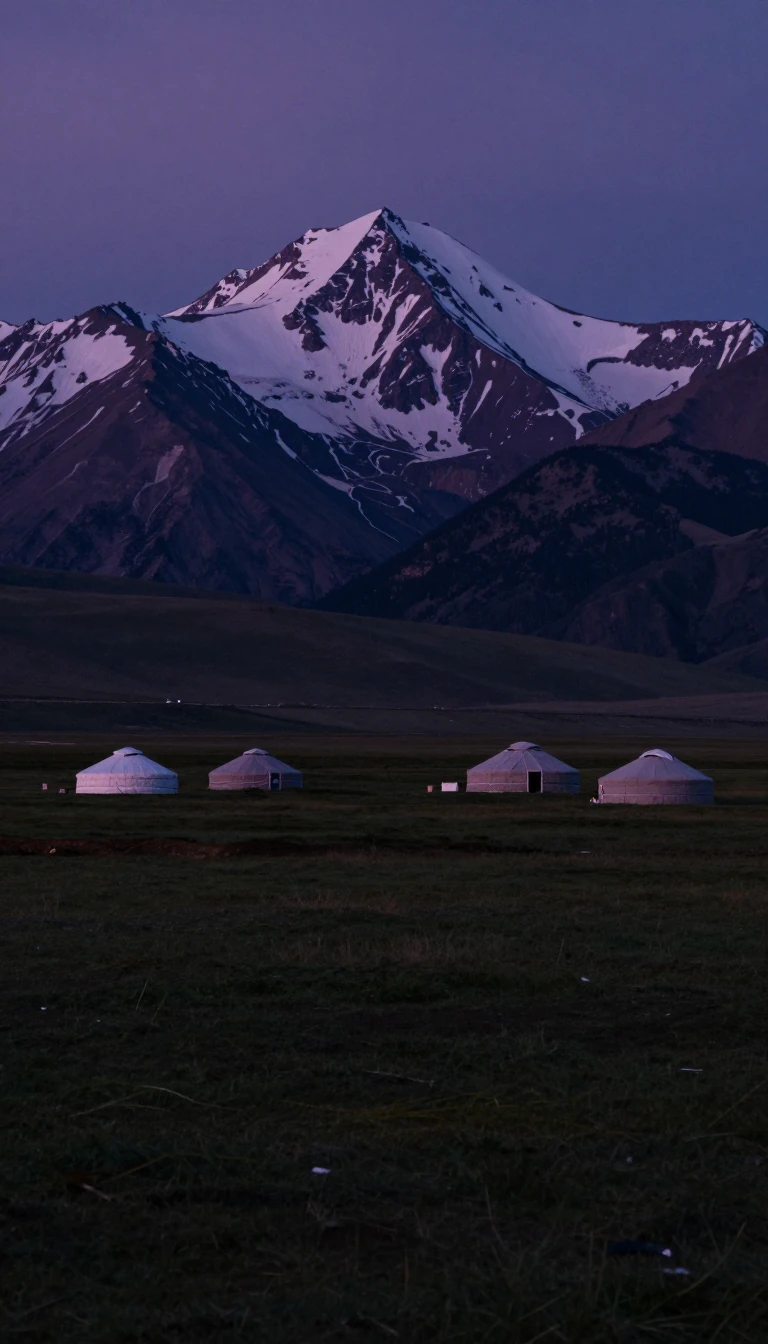
In short: Ismoil Somoni Peak, the highest point in Tajikistan, has carried three distinct identities since its discovery. Once mistaken for a smaller neighbor, this Pamir giant was renamed to mirror the Soviet Union's evolving political landscape before finally reclaiming a title honoring a 10th-century empire builder.
Located in the Academy of Sciences Range of the Pamir Mountains, Ismoil Somoni Peak stands as the highest point in Tajikistan. Its history is defined by a series of naming shifts that track the country's complex transition from the Soviet era to independence. When explorers first identified a massive peak in 1928, they initially misidentified it as Mount Garmo, a smaller summit previously documented by a 1913 German expedition. This confusion, known as the mystery of the Garmo, was only resolved by 1932 after intensive topographic surveys.
Following its definitive discovery, the mountain was named Stalin Peak in 1933 to commemorate the Soviet leader. This title persisted for nearly three decades until the nationwide de-Stalinization process initiated by Khrushchev led to its renaming as Communism Peak in 1962. This moniker remained in common usage for decades, even after the Soviet Union dissolved. It was not until 1998 that the government officially adopted the current name, Ismoil Somoni Peak, in honor of the 9th-10th century Samanid emir who founded the Samanid Empire.
The peak has long been a focal point for mountaineering milestones. The first successful ascent occurred on September 3, 1933, achieved by Yevgeniy Abalakov and Nikolai Gorbunov. Decades later, the mountain continued to see significant human feats, including the first female ascent by Lyudmila Agranovskaya in 1969 and a massive winter expedition in February 1986, which saw 24 climbers reach the summit. Today, the peak remains a symbol of Tajikistan's geography and its long, layered history.
The mountain's elevation, measured at 7495 meters, makes it a formidable challenge that once served as the highest point of the entire Soviet Union. While early explorers like V.F. Oshanin estimated the region's heights as early as the 1880s, it took years of coordinated expeditions to accurately map the Academy of Sciences Range. The peak stands as a testament to the intersection of exploration, political ideology, and the enduring legacy of the Samanid rulers.
Opens the Intellect+ feed with this card first. Swipe up for the next one.
Sources
- Summary by Intellect · source: Ismoil Somoni Peak
- Also: Wikidata — Ismoil Somoni Peak · CC0
To cite this card, link to https://intellectplus.co.uk/app/places-ismoil-somoni-peak.
How we source, check and correct cards: Editorial standards.
General information, not professional advice. Spotted an error? Flag the card or see corrections and complaints.
Intellect Plus is a visual educational discovery platform for exploring fascinating facts and ideas. Brain Food, Not Brain Rot. What is Intellect Plus?
Related
More in Mountain peaks and volcanos · More in Countries & Cities · Latest · A–Z · All topics
