The castle that was built from a monastery's bones
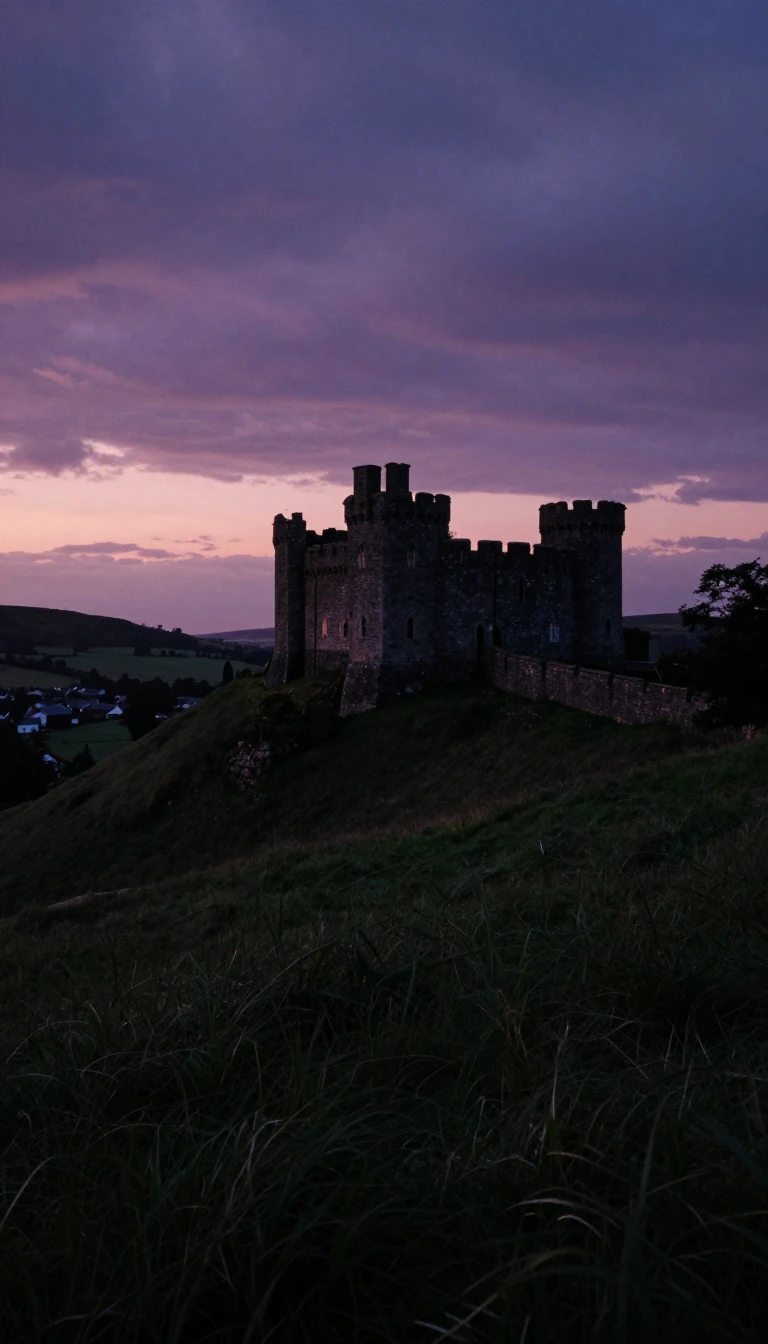
In short: Frederiksborg Castle stands as a masterpiece of Danish Renaissance architecture, but its foundation is literally made of history. To build his royal seat, King Christian IV repurposed the physical remains of a massive medieval monastery, transforming a site of religious devotion into a symbol of monarchical power.
The construction of Frederiksborg Castle between 1602 and 1625 served as a monumental statement of power for Christian IV, who reigned for 59 years—the longest tenure of any Danish monarch. To create this landmark, the crown utilized the ruins of the Æbelholt Abbey, which was once the largest Augustinian monastery in the northern countries. This site had been established in 1175/76 by the French monk William of Æbelholt at the request of the Danish archbishop and statesman Absalon.
The transition from sacred to secular was accelerated by the Reformation in 1536. Following the religious shift, the state seized the monastery's lands and dismantled the structures. The bricks from these demolished buildings were subsequently repurposed to construct the new castle. This architectural recycling highlights a common early modern practice where the physical materials of the old religious order provided the literal building blocks for the new royal identity.
Today, Hillerød serves as a hub for both historical preservation and modern industry. While the castle houses the Museum of National History, the surrounding area has evolved into a center for pharmaceutical sciences and high-tech food solutions. The town's history is a layered progression from a medieval clearing called 'Hildi's clearing' to a royal seat, and finally to a modern administrative and industrial center.
The evolution of Hillerød also reflects Denmark's broader infrastructure shifts. The arrival of the Zealand Railway in 1864 and subsequent lines transformed the town into a commercial hub, fostering industries ranging from agricultural machinery to meatpacking. This transition from a royal retreat to a diverse economic center illustrates the broader European shift toward industrialization and regional development.
Opens the Intellect+ feed with this card first. Swipe up for the next one.
Sources
- Summary by Intellect · source: Hillerød
To cite this card, link to https://intellectplus.co.uk/app/wars-hiller-d.
How we source, check and correct cards: Editorial standards.
General information, not professional advice. Spotted an error? Flag the card or see corrections and complaints.
Intellect Plus is a visual educational discovery platform for exploring fascinating facts and ideas. Brain Food, Not Brain Rot. What is Intellect Plus?
Related
More in Early modern wars · More in Wars & Conflicts · Latest · A–Z · All topics
