How a Danish town built by the Moravian Church became a global architectural treasure.
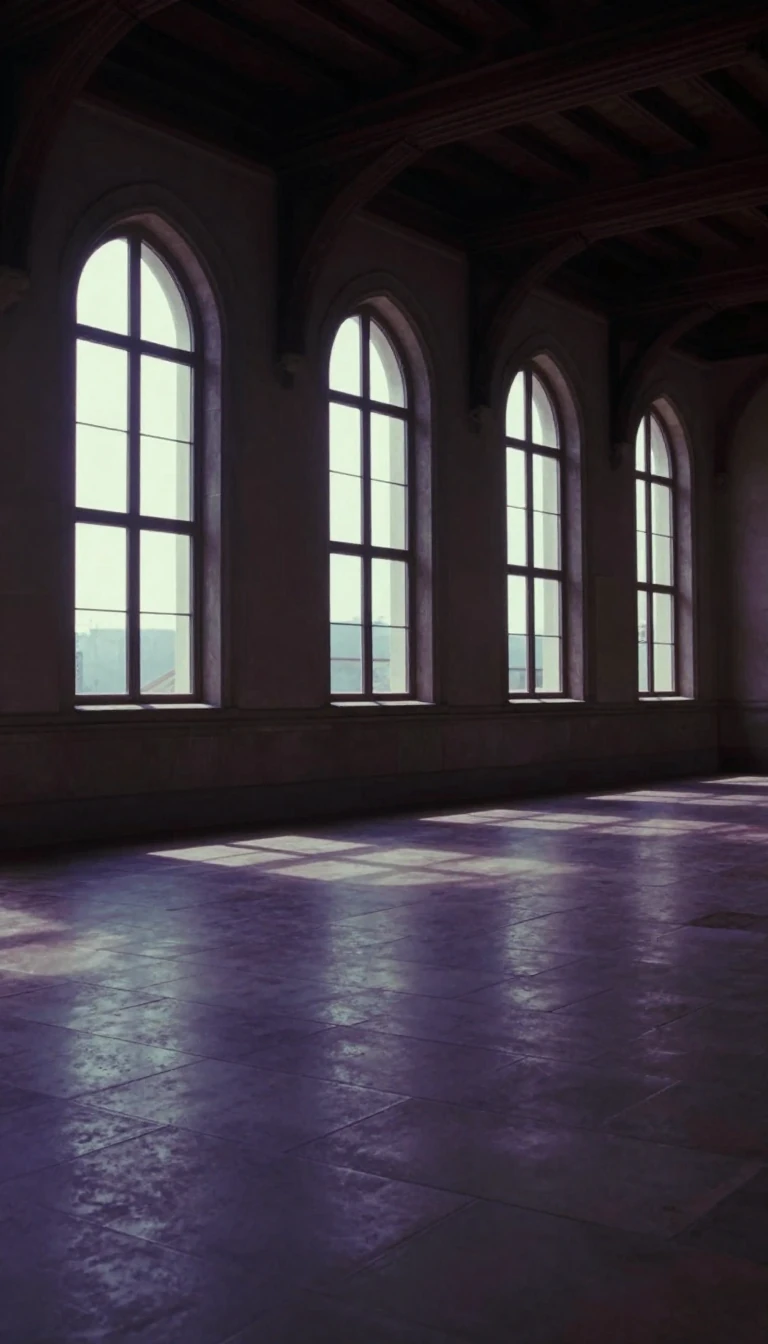
In short: Founded in 1773, Christiansfeld stands as a remarkably preserved example of Moravian town planning. With its uniform yellow-brick buildings and communal living spaces, the town was designed to reflect the congregation's values. Today, it is a UNESCO World Heritage Site that continues to honor its unique 18th-century origins.
Christiansfeld was established in Southern Jutland under the patronage of King Christian VII, who incentivized its rapid development by offering a ten-year tax holiday and subsidizing 10% of construction costs for new homes. Between 1773 and 1800, the town took shape according to a rigid master plan inspired by earlier Moravian settlements like Herrnhaag and Gnadau. The layout centered on a church square, flanked by parallel streets where communal residences for widows and unmarried members were constructed alongside shops and schools. This architectural homogeneity, defined by yellow brick and red tile, remains largely intact, with many structures still serving their original purposes.
The town's history is marked by shifting borders and political transitions. Following Denmark's defeat in the Second Schleswig War in 1864, Christiansfeld was ceded to Prussia, remaining under German control until a 1920 plebiscite—mandated by the Treaty of Versailles—allowed Northern Schleswig to rejoin Denmark. This reunification brought significant changes; the Moravian Church lost its traditional authority to appoint local leadership, and the town saw its first non-church mayor. Over time, the congregation’s declining membership led to the sale of its schools, and in 2007, the town lost its status as an independent administrative seat during the national Municipal Reform.
Despite these changes, the town has maintained its cultural identity, famously preserving a secret honey cake recipe dating back to 1783. Modern efforts have focused on conservation, including a 100 million DKK restoration project launched in 2009 and a significant 60 million DKK donation in 2012 for the Sister's House. These investments helped secure its status as a UNESCO World Heritage Site in 2015. Beyond its architecture, the town served as a formative environment for notable figures, including the astronomer Theodor Brorsen and the writer Camilla Collett, cementing its legacy as a site of both historical and intellectual significance.
Opens the Intellect+ feed with this card first. Swipe up for the next one.
Sources
- Summary by Intellect · source: Christiansfeld
- Also: Wikidata — Christiansfeld · CC0
To cite this card, link to https://intellectplus.co.uk/app/places-christiansfeld.
How we source, check and correct cards: Editorial standards.
General information, not professional advice. Spotted an error? Flag the card or see corrections and complaints.
Intellect Plus is a visual educational discovery platform for exploring fascinating facts and ideas. Brain Food, Not Brain Rot. What is Intellect Plus?
Related
More in World Heritage Sites · More in Countries & Cities · Latest · A–Z · All topics
