How a century-old German design became the world's most versatile naval autocannon
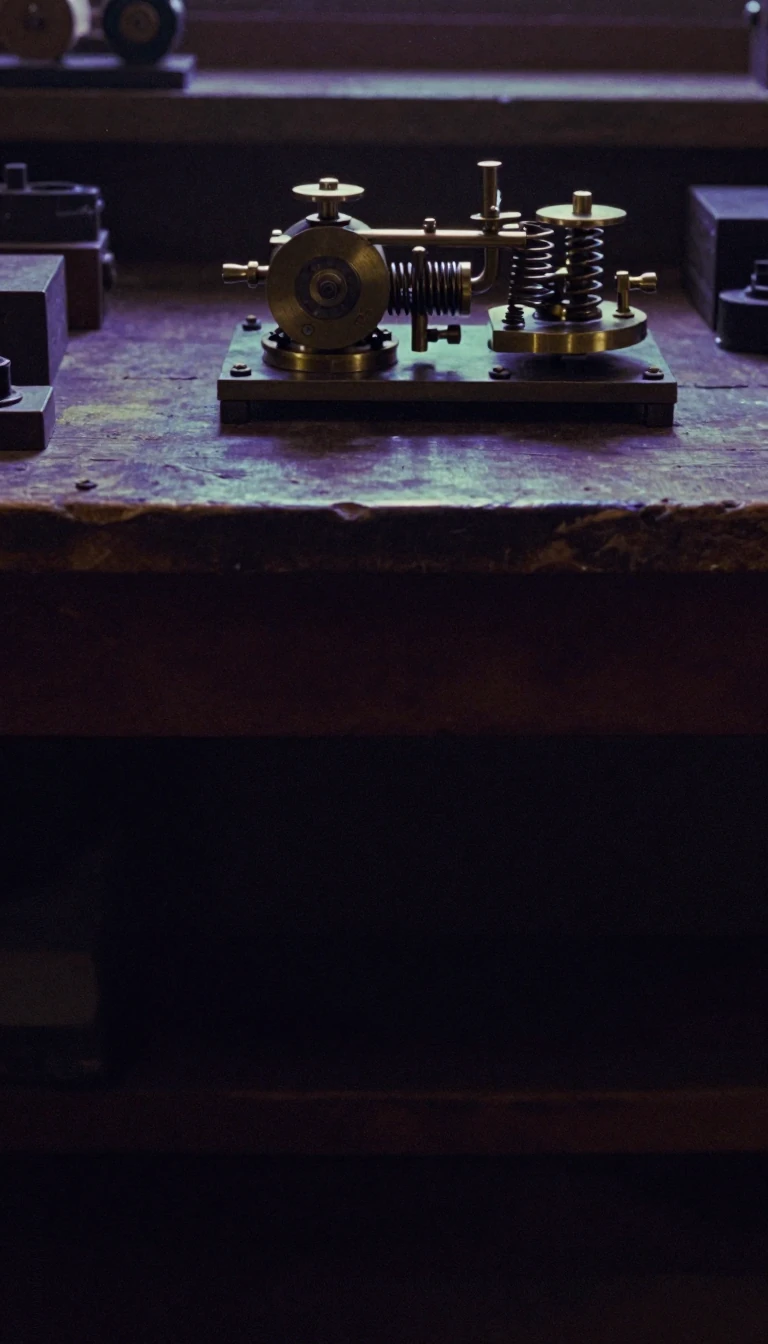
In short: Born from a banned World War I project, the Oerlikon 20 mm cannon defied conventional engineering. By using an ingenious Advanced Primer Ignition blowback system, it allowed powerful shells to be fired from a simple, unlocked breech. This unique mechanism kept the weapon relevant on land, sea, and air for decades.
The Oerlikon cannon originated from the Becker Type M2, a German weapon developed during World War I using the Advanced Primer Ignition (API) blowback method. Because the Treaty of Versailles prohibited such production in Germany, the technology moved to Switzerland in 1919. The Oerlikon firm eventually acquired the rights and manufacturing equipment in 1924, refining the design through various iterations like the S, 1S, and the wing-mounted FF series.
The weapon's core innovation, the API blowback, solves the problem of firing high-powered 20 mm cartridges without a locked breech. In this system, the firing pin strikes the cartridge while the bolt is still moving forward. This forward momentum opposes the propellant gases, delaying the rearward movement of the bolt long enough for pressure to drop to safe levels. This design requires a heavy bolt and a large spring wrapped around the barrel, which limits the rate of fire compared to locked-breech guns.
During World War II, the Oerlikon became a staple for both Allied and Axis powers. It was widely adopted for naval anti-aircraft defense, notably replacing less reliable weapons on United States Navy ships from 1942. Despite its success, the gun's reliance on drum magazines and its limited stopping power against heavy aircraft eventually led to its replacement by more modern systems like the Bofors 40 mm gun. Nevertheless, the Oerlikon's simplicity ensured its longevity; it remained in use for warning shots and small-vessel engagement well into the 21st century.
The Oerlikon's influence extended to numerous licensed derivatives, including the German MG FF and the Japanese Type 99. Post-war, the company moved away from the original Becker-based blowback design, introducing gas-operated mechanisms like the 5TG and 204-Gk to meet demands for higher rates of fire. These developments marked a transition from the improvised solutions of the early 20th century to the specialized military engineering of the modern era.
Opens the Intellect+ feed with this card first. Swipe up for the next one.
Sources
- Summary by Intellect · source: Oerlikon 20 mm cannon
To cite this card, link to https://intellectplus.co.uk/app/technology-oerlikon-20-mm-cannon.
How we source, check and correct cards: Editorial standards.
General information, not professional advice. Spotted an error? Flag the card or see corrections and complaints.
Intellect Plus is a visual educational discovery platform for exploring fascinating facts and ideas. Brain Food, Not Brain Rot. What is Intellect Plus?
Related
More in Military technology · More in Technology · Latest · A–Z · All topics
