The Junkers Ju 86: A failed bomber that found a second life in the stratosphere.
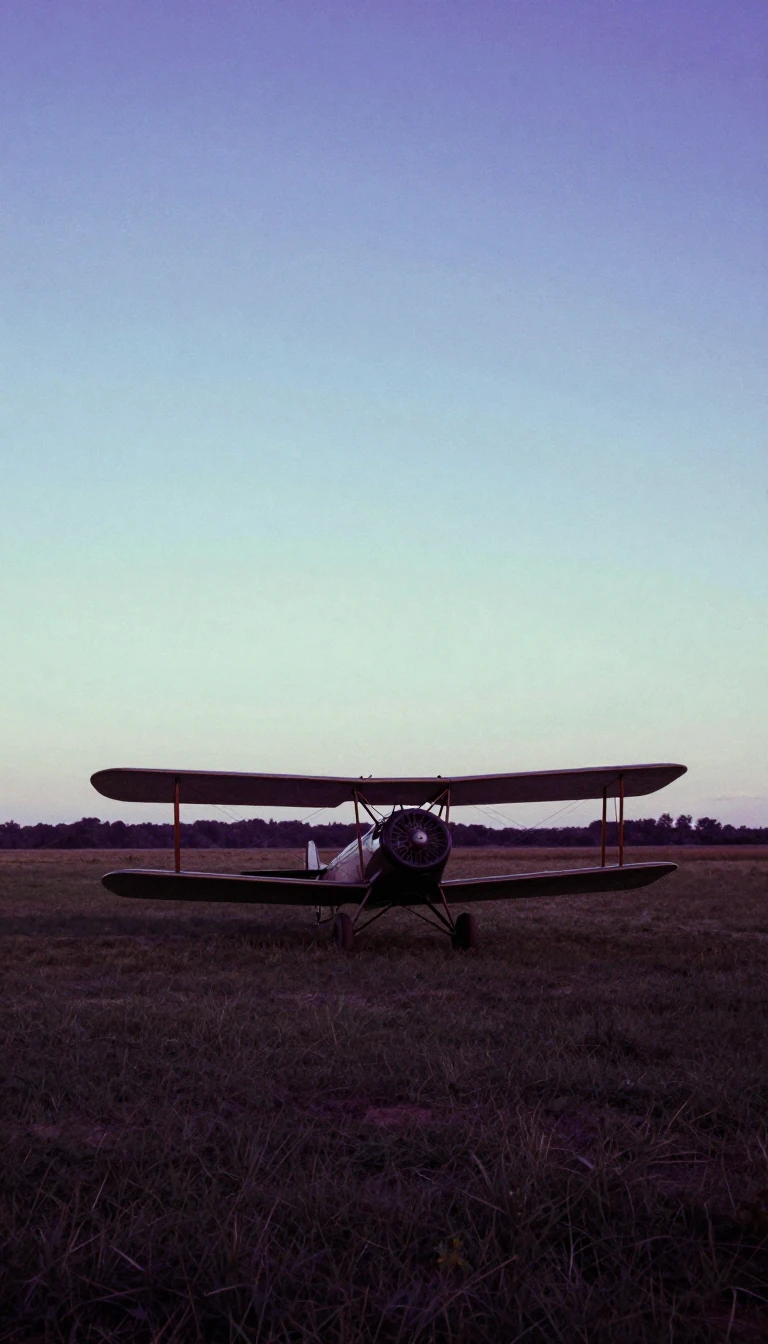
In short: Designed as a dual-purpose airliner and bomber, the Junkers Ju 86 struggled in combat due to its temperamental diesel engines. Yet, by stripping away its armor and pressurizing the cabin, engineers transformed the obsolete design into a high-altitude reconnaissance platform that forced the Allies to develop specialized interceptors.
The Junkers Ju 86 emerged from a mid-1930s German requirement for a versatile twin-engined aircraft. It was a technological pioneer, featuring all-metal construction and, unusually, Junkers Jumo 205 diesel engines for superior fuel efficiency. While intended to serve both the Luftwaffe and Deutsche Luft Hansa, military priorities dominated the design. The bomber variant carried its payload in four vertical fuselage cells, while the airliner version replaced these with seating for ten passengers.
Combat performance proved disappointing. During the Spanish Civil War, the diesel-powered Ju 86 was found inferior to the Heinkel He 111, as the engines were poorly suited to the rigors of frontline service. By the invasion of Poland, the Luftwaffe began withdrawing the type from active duty. Its most desperate deployment occurred in late 1942, when 58 aircraft were pulled from training schools to supply the besieged 6th Army at Stalingrad. The mission was a disaster; 42 aircraft were lost by January 1943, and the survivors were relegated to training roles.
The aircraft found its true niche as a high-altitude platform. The Ju 86P, introduced in 1940, utilized a pressurized cabin and turbocharged Jumo 207A-1 engines to operate above 12,000 meters. This altitude was initially considered a sanctuary from enemy fighters, prompting the development of specialized interceptors like the British Westland Welkin and Soviet Yakovlev Yak-9PD. However, the sanctuary was short-lived; modified Spitfires eventually intercepted the Ju 86P, leading to its withdrawal in 1943. Today, only one example remains, preserved at the Swedish Air Force Museum.
Beyond Germany, the Ju 86 saw diverse service. South African Airways operated 17 units, which were militarized at the outbreak of World War II to conduct coastal patrols and bombing missions in East Africa. Sweden also utilized the type, producing it under license as the B 3. The aircraft's legacy remains a study in the limitations of early diesel aviation and the unexpected utility of high-altitude flight.
Opens the Intellect+ feed with this card first. Swipe up for the next one.
Sources
- Summary by Intellect · source: Junkers Ju 86
To cite this card, link to https://intellectplus.co.uk/app/wars-junkers-ju-86.
How we source, check and correct cards: Editorial standards.
General information, not professional advice. Spotted an error? Flag the card or see corrections and complaints.
Intellect Plus is a visual educational discovery platform for exploring fascinating facts and ideas. Brain Food, Not Brain Rot. What is Intellect Plus?
Related
More in World wars era · More in Wars & Conflicts · Latest · A–Z · All topics
