The Swiss rifle that mastered the art of the straight-pull
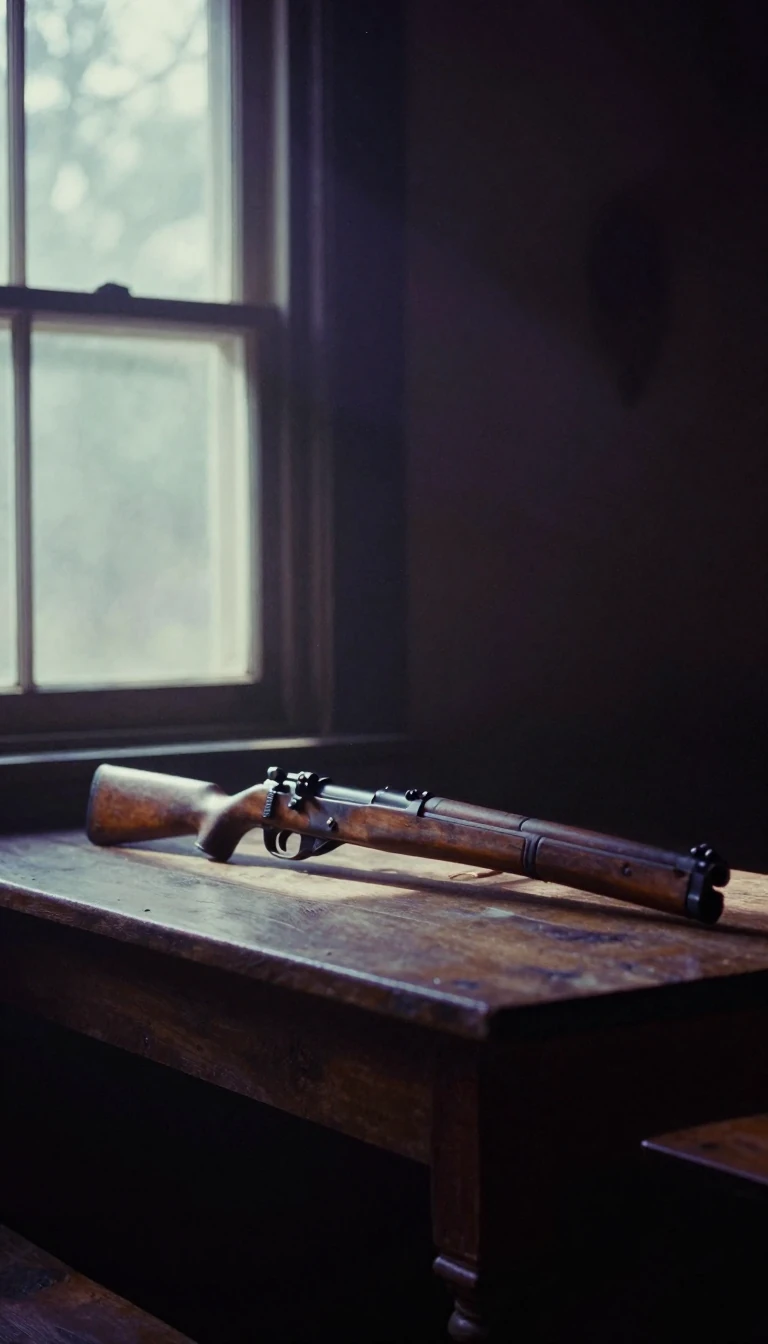
In short: Most bolt-action rifles require a twisting motion to chamber a round. The Karabiner Modell 31 changed the game by pulling the bolt directly rearward. This mechanical shift was designed to increase the rate of fire without sacrificing the extreme precision demanded by the Swiss military.
Developed by the Eidgenössische Waffenfabrik in Bern under Colonel Adolf Furrer, the Karabiner Modell 31 (Kar. 31) entered troop trials in May 1931. While it was broadly based on the famous Schmidt–Rubin series, it introduced several radical mechanical improvements. Its primary feature involved a straight-pull mechanism, enabling a user to release the action, prime the striker, and discard the empty shell via one backward movement. Such a design decreased the required movement for operators when contrasted with modern firearms such as the British Lee–Enfield No. 4 or the German Karabiner 98k. 4.
The rifle's design prioritized both speed and structural integrity. The locking lugs were moved forward to sit immediately behind the chamber, strengthening the action against the thicker forward part of the receiver. Additionally, the Swiss eliminated the aluminum barrel mounting collar of previous models, securing the action to the stock with just two screws. To ensure reliability, the cocking piece doubled as a safety; when turned horizontal, it physically blocked the firing pin from protruding past the bolt cylinder, preventing any contact with the cartridge primer.
Precision was the hallmark of the Kar. 31. The Swiss military placed utmost importance on individual marksmanship, leading to a rifle built to incredibly tight tolerances. It was chambered for the 7.5×55mm Swiss GP 11 cartridge, which offers ballistic qualities similar to the .308 Winchester. The rifle featured a unique reloading system using phenolic resin-embedded paper stripper clips that nearly covered the entire cartridge. These clips were designed with a guide slot, allowing a gloved thumb to force rounds into the 6-round magazine in one smooth motion.
The Kar. 31 also featured an unconventional sight line concept. It was designed for a 'center hold' at 100 and 200 meters, but required a '6 o'clock hold' for distances of 300 meters and beyond. This meant shooters aimed below the target so the sight post remained clear. This specific configuration, combined with the rifle's high accuracy—capable of hitting a 30 cm bullseye at 300 meters—made it a staple of Swiss marksmanship training for decades.
Opens the Intellect+ feed with this card first. Swipe up for the next one.
Sources
- Summary by Intellect · source: K31
To cite this card, link to https://intellectplus.co.uk/app/wars-k31.
How we source, check and correct cards: Editorial standards.
General information, not professional advice. Spotted an error? Flag the card or see corrections and complaints.
Intellect Plus is a visual educational discovery platform for exploring fascinating facts and ideas. Brain Food, Not Brain Rot. What is Intellect Plus?
Related
More in World wars era · More in Wars & Conflicts · Latest · A–Z · All topics
