Two aristocratic women defied social norms to build a Gothic fantasy together
In short: In 1778, Eleanor Butler and Sarah Ponsonby abandoned the expectations of the Irish aristocracy. Instead of facing arranged marriages, they fled to North Wales to create a life of scholarly independence. Their unconventional lifestyle and mysterious bond turned their modest cottage into a celebrated landmark for the era's most distinguished intellectuals.
Born into the Irish aristocracy, Eleanor Butler (1739–1829) and Sarah Ponsonby (1755–1831) met in 1768. To escape the social pressures of conventional marriage, they left Ireland together in April 1778, much to the consternation of their families. They eventually settled in North Wales, moving into a small stone-built cottage just outside the village of Llangollen in 1780. They renamed this home Plas Newydd, meaning 'the New House' in Welsh. Their first encounter occurred in Ireland, with Sarah being a teen and Eleanor in her late twenties. This decision to flee their families caused significant distress among their kin.
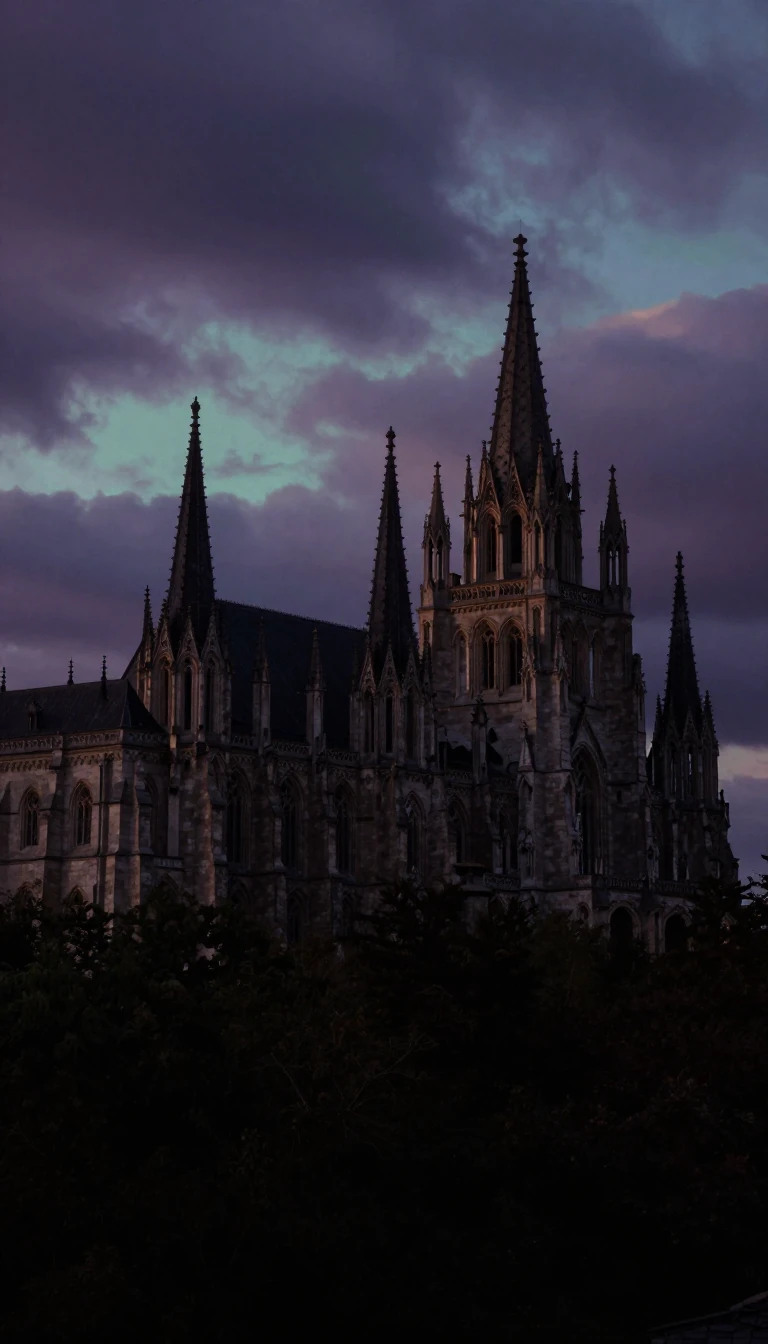
The women transformed their modest residence into a Gothic fantasy, adding features like pointed arches, stained glass, and an extensive library. Their home became a hub for famous visitors, including Lord Byron, William Wordsworth, Charles Darwin, and the Duke of Wellington. To support their lifestyle, they relied on a civil list pension—granted by George III on the instruction of Queen Charlotte—and the generosity of friends, as their remodeling efforts led to significant debt. The residence featured eclectic elements ranging from the medieval to the baroque. They also cultivated a garden filled with unique Gothic ornamentation.
The nature of their relationship remains a subject of debate. While their exact sexuality is unknown, their strong emotional bond is irrefutable. They were often seen in unconventional attire, such as riding habits with waistcoats and beaver hats, which some contemporaries viewed as overtly masculine. Their legacy was further cemented by popular prints, including works by Richard Lane and James Henry Lynch, which helped turn the Ladies of Llangollen into celebrity figures. Their portraits were highly sought after by collectors during their lifetime. Some printmakers even produced pirated versions of their likenesses for profit.
Opens the Intellect+ feed with this card first. Swipe up for the next one.
Sources
- Summary by Intellect · source: The Ladies of Llangollen Portraits at Audley End
- Also: Ladies of Llangollen
To cite this card, link to https://intellectplus.co.uk/app/wars-ladies-of-llangollen.
How we source, check and correct cards: Editorial standards.
General information, not professional advice. Spotted an error? Flag the card or see corrections and complaints.
Intellect Plus is a visual educational discovery platform for exploring fascinating facts and ideas. Brain Food, Not Brain Rot. What is Intellect Plus?
Related
More in Castles & fortifications · More in Wars & Conflicts · Latest · A–Z · All topics
