The German frigate project that collapsed under its own complexity
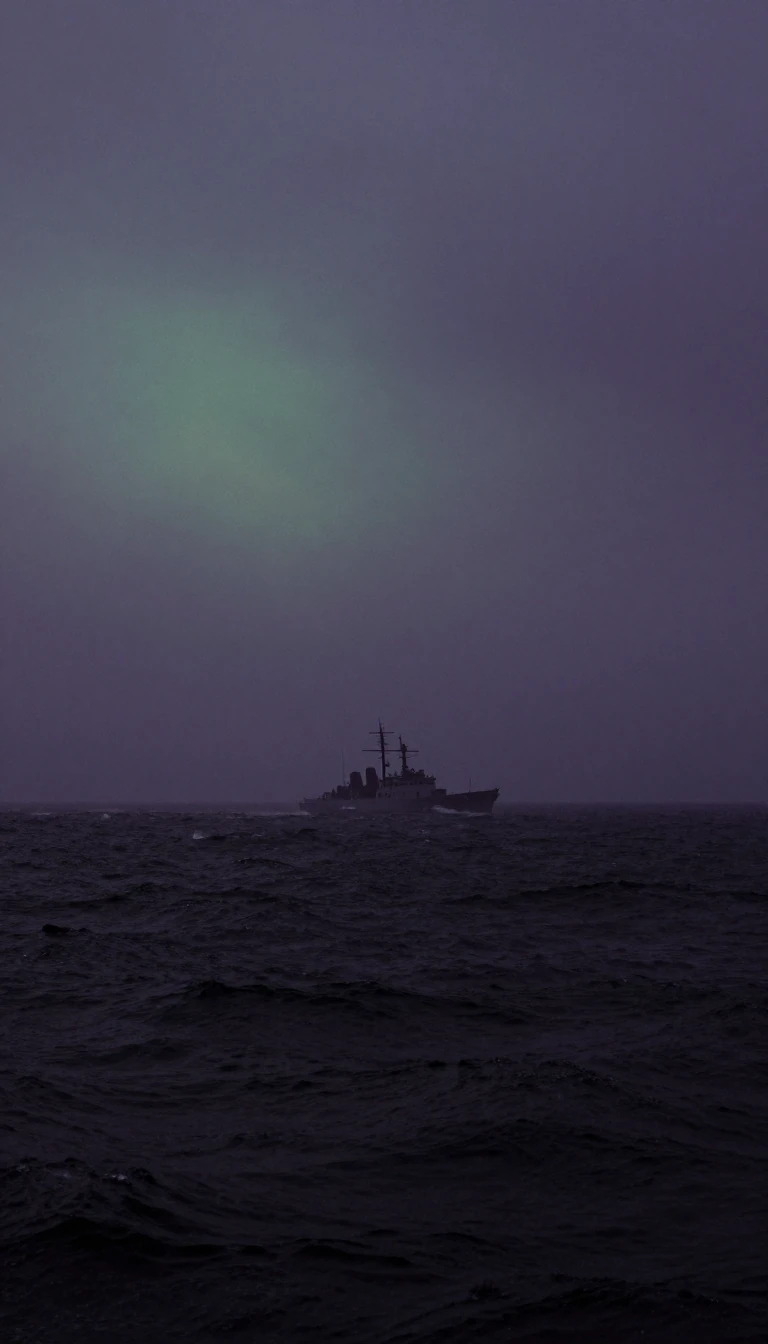
In short: Germany planned to build the largest surface warships since World War II—ships so modular they could swap entire mission suites like plug-in components. But this ambitious leap in naval engineering ultimately buckled under the weight of
The Niedersachsen-class frigate (F126) was designed to be a radical departure from traditional naval architecture. Moving away from the rigid roles of the Cold War, the German Navy sought a "Multi-Purpose Combat Ship" capable of rapid modification. The core innovation was the "mission module" concept: specialized devices, sensors, and weapons could be swapped between ships or maintained separately, allowing a single hull to transition from anti-submarine warfare to mine countermeasures or even maritime task force command.
To achieve this flexibility, the ships were designed for extreme endurance. Designed for maritime endurance of two years between dockings, these vessels featured crew changes occurring quadrimestrially. This was specifically aimed at optimizing long-range missions, such as counter-piracy operations off the Horn of Africa, where the ships would utilize a "detention module" to quarantine and medically treat suspects in purpose-built facilities.
The project faced significant geopolitical and industrial friction. While the Dutch Damen Group won the 2020 tender, the decision to open the bid to European companies sparked backlash from German officials who feared the loss of "key technology" and 15,000 potential jobs to foreign competition. Despite a 6 billion Euro budget clearance and the start of construction in late 2023, the project was officially cancelled on June 24, 2026. The Ministry of Defense cited "enormous cost increases" and the contractor's inability to guarantee financial and scheduling parameters as the primary reasons for abandoning the F126 in favor of eight MEKO A-200 DEU frigates.
This failure highlights the tension between high-tech modularity and industrial feasibility. While the F126 promised a versatile, future-proof fleet, the complexity of managing such a sophisticated multi-role platform across international borders proved to be a "risk" the German government was ultimately unwilling to bear.
Opens the Intellect+ feed with this card first. Swipe up for the next one.
Sources
- Summary by Intellect · source: Niedersachsen-class frigate
To cite this card, link to https://intellectplus.co.uk/app/wars-niedersachsen-class-frigate.
How we source, check and correct cards: Editorial standards.
General information, not professional advice. Spotted an error? Flag the card or see corrections and complaints.
Intellect Plus is a visual educational discovery platform for exploring fascinating facts and ideas. Brain Food, Not Brain Rot. What is Intellect Plus?
Related
More in Castles & fortifications · More in Wars & Conflicts · Latest · A–Z · All topics
