Why do soldiers choose to fight to the death against impossible odds?
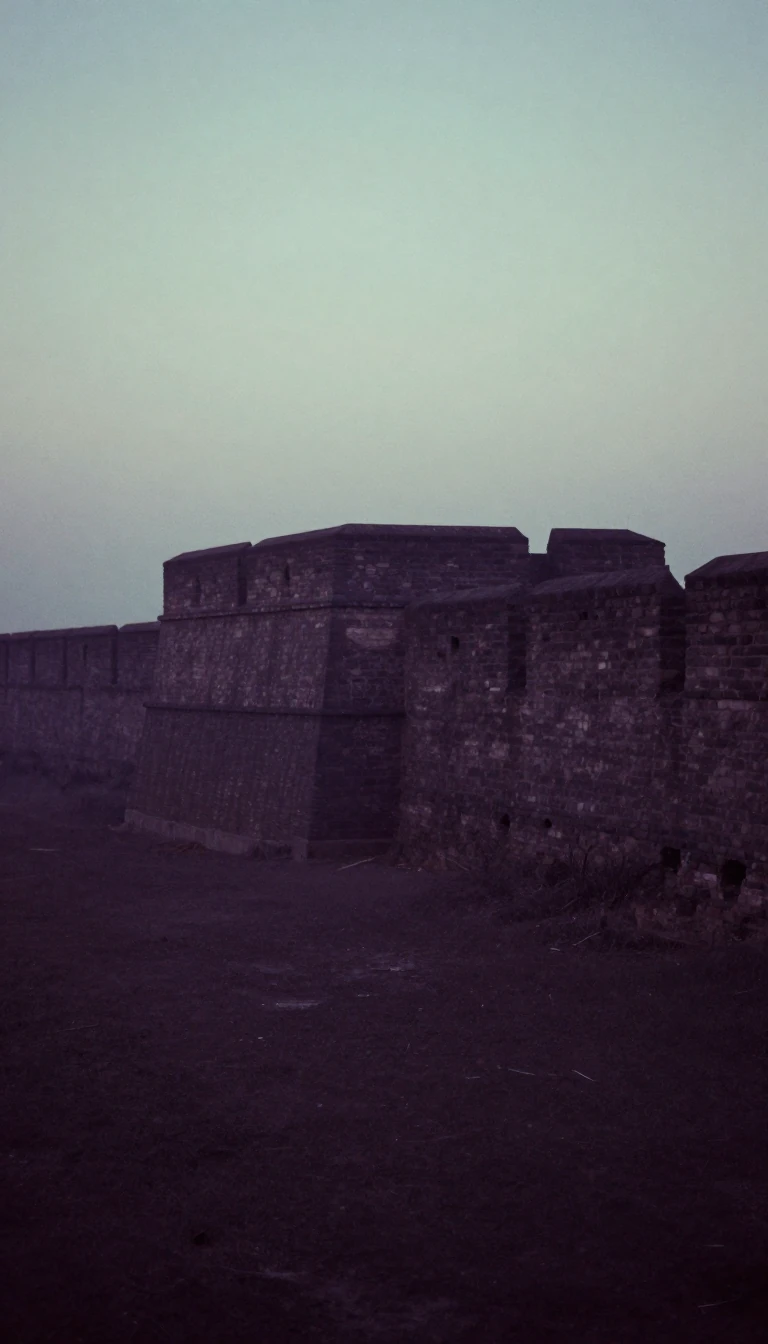
In short: A last stand is a desperate military tactic where troops hold a position despite insurmountable odds. Whether motivated by duty, the need to protect a leader, or the fear of execution, these final battles often become legendary, transforming tactical defeat into a powerful, enduring symbol of heroism and sacrifice.
A last stand is rarely a tactical preference; it is a final resort. Commanders often choose this path when the benefits of holding a position outweigh the consequences of retreat or surrender. This may involve buying time for civilians or wounded soldiers to escape, protecting a critical leader, or preventing an immediate collapse of a larger campaign. In some historical contexts, such as the 1897 Battle of Saragarhi, soldiers fought to the death because their cultural or religious convictions placed duty above all else. Conversely, some troops fight because they believe surrender will lead to torture, enslavement, or execution, as seen in the experiences of Japanese soldiers during World War II or the inhabitants of Numantia facing the Romans.
The strategic utility of a last stand often lies in its ability to delay an enemy. At the Battle of Thermopylae in 480 BC, Leonidas and his small force held off a massive Persian army for three days of battle, allowing the Greeks to prepare a successful defense that ultimately won the war. Similarly, in 1660, 300 Marathas held off 10,000 Bijapuris at the Battle of Pavan Khind, enabling King Shivaji to escape. However, military thinkers like Sun Tzu have warned against forcing an opponent into such a position, noting that trapped soldiers often fight with increased ferocity. To counter this, some commanders have historically destroyed their own escape routes to ensure their troops remain committed to the fight.
The legacy of the last stand is deeply woven into human history and myth. Historian Nathaniel Philbrick notes that the narrative of a brave leader and a tiny band fighting a numberless foe resonates powerfully with the public imagination. While many last stands result in the total destruction of the defenders, they are frequently remembered as moral victories. Since the 1907 IV Hague Convention, however, the rules of war have shifted; it is now unlawful to deny quarter to a garrison attempting to surrender, even during a final assault. Despite these legal changes, the image of fighting with one's back to the wall remains a potent, if tragic, archetype of military history.
Opens the Intellect+ feed with this card first. Swipe up for the next one.
Sources
- Summary by Intellect · source: Last stand
To cite this card, link to https://intellectplus.co.uk/app/wars-last-stand.
How we source, check and correct cards: Editorial standards.
General information, not professional advice. Spotted an error? Flag the card or see corrections and complaints.
Intellect Plus is a visual educational discovery platform for exploring fascinating facts and ideas. Brain Food, Not Brain Rot. What is Intellect Plus?
Related
More in Ancient & biblical wars · More in Wars & Conflicts · Latest · A–Z · All topics
