How a small volcanic triangle in central Italy became the heart of an empire.
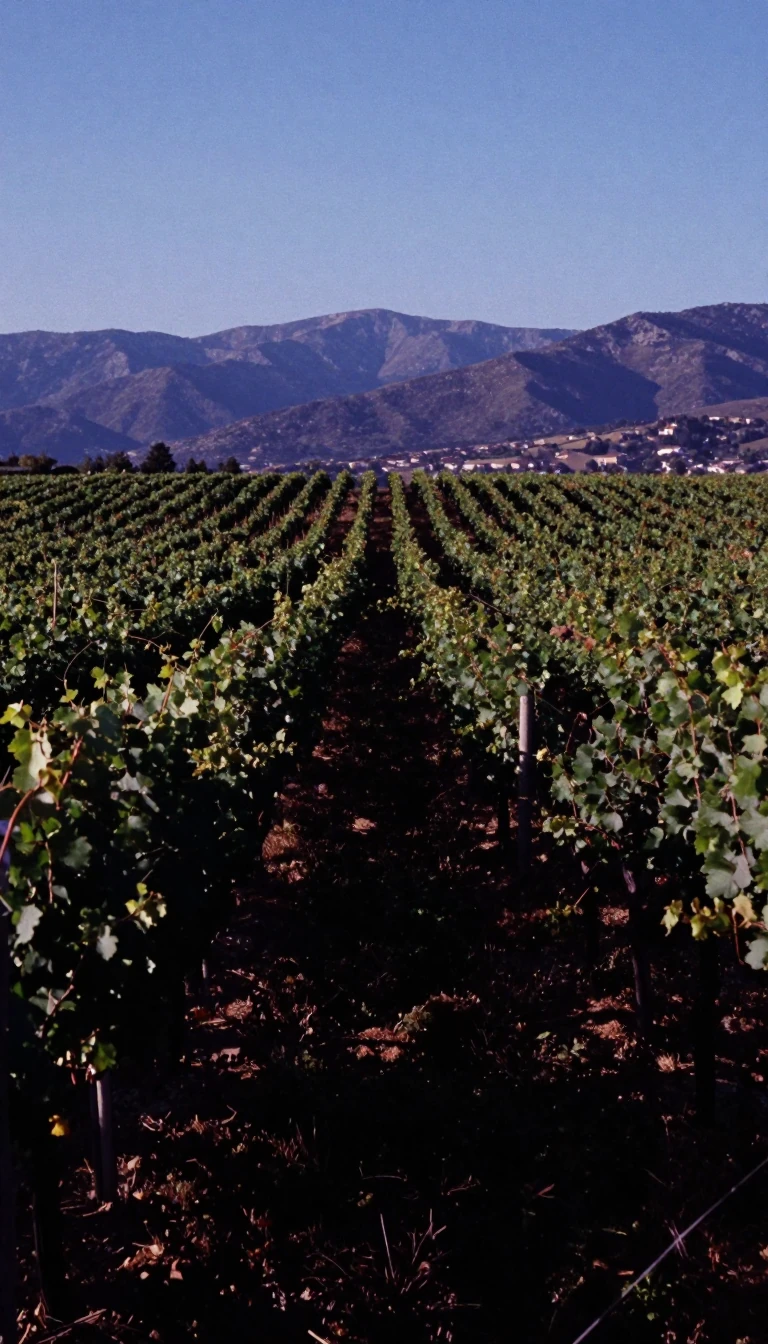
In short: Latium began as a modest, fertile region defined by its volcanic soil and independent Latin tribes. Through strategic alliances, military dominance, and a unique policy of granting citizenship to outsiders, Rome transformed this local territory into the political and cultural center of the ancient world, eventually shaping modern Italy.
Originally, Latium was a small, triangular region of fertile volcanic soil located on the left bank of the River Tiber. It was home to the Latini, a tribe of Indo-European descent whose religious life centered on the Alban Mount, a large, dormant volcano. Here, the Latini gathered at the temple of Jupiter Latiaris for state functions and the annual Latin festival, a tradition that persisted even after Rome assumed control of the region.
The region was defined by autonomous city-states, such as Alba Longa, which held religious primacy as the mother city of the Latin stock. However, Rome’s rise shifted the balance of power. By the mid-7th century BC, Rome had destroyed Alba Longa and seized control of the Latin League. Rome’s expansion was fueled by a distinct social strategy: unlike its neighbors, Rome offered asylum and citizenship to outsiders, including former slaves. This generous policy provided a massive manpower advantage, allowing Rome to dominate the surrounding landscape and secure vital resources like salt.
Following the fall of the Roman Empire, Latium’s history became a complex struggle for control between the papacy and local feudal lords. During the Middle Ages, the region was often caught in power vacuums, particularly when the papacy resided in Avignon between 1309 and 1377. It was not until the 16th century that the papacy fully unified Latium as part of the Papal States. The region’s modern identity was finally solidified on 20 September 1870, when the capture of Rome completed the unification of Italy, incorporating Latium into the new kingdom.
Today, the region—known as Lazio—retains its historical significance as the home of Rome. While the etymology of the name remains debated, it is most commonly linked to the Latin word 'latus', meaning wide, reflecting the flat Roman Campagna. From its origins as a collection of independent villages to its status as a modern administrative region, Latium remains a testament to the enduring influence of its ancient, volcanic foundations.
Opens the Intellect+ feed with this card first. Swipe up for the next one.
Sources
- Summary by Intellect · source: Latium
To cite this card, link to https://intellectplus.co.uk/app/wars-latium.
How we source, check and correct cards: Editorial standards.
General information, not professional advice. Spotted an error? Flag the card or see corrections and complaints.
Intellect Plus is a visual educational discovery platform for exploring fascinating facts and ideas. Brain Food, Not Brain Rot. What is Intellect Plus?
Related
More in Ancient & biblical wars · More in Wars & Conflicts · Latest · A–Z · All topics
