The museum is not just on land; it is in Lenapehoking
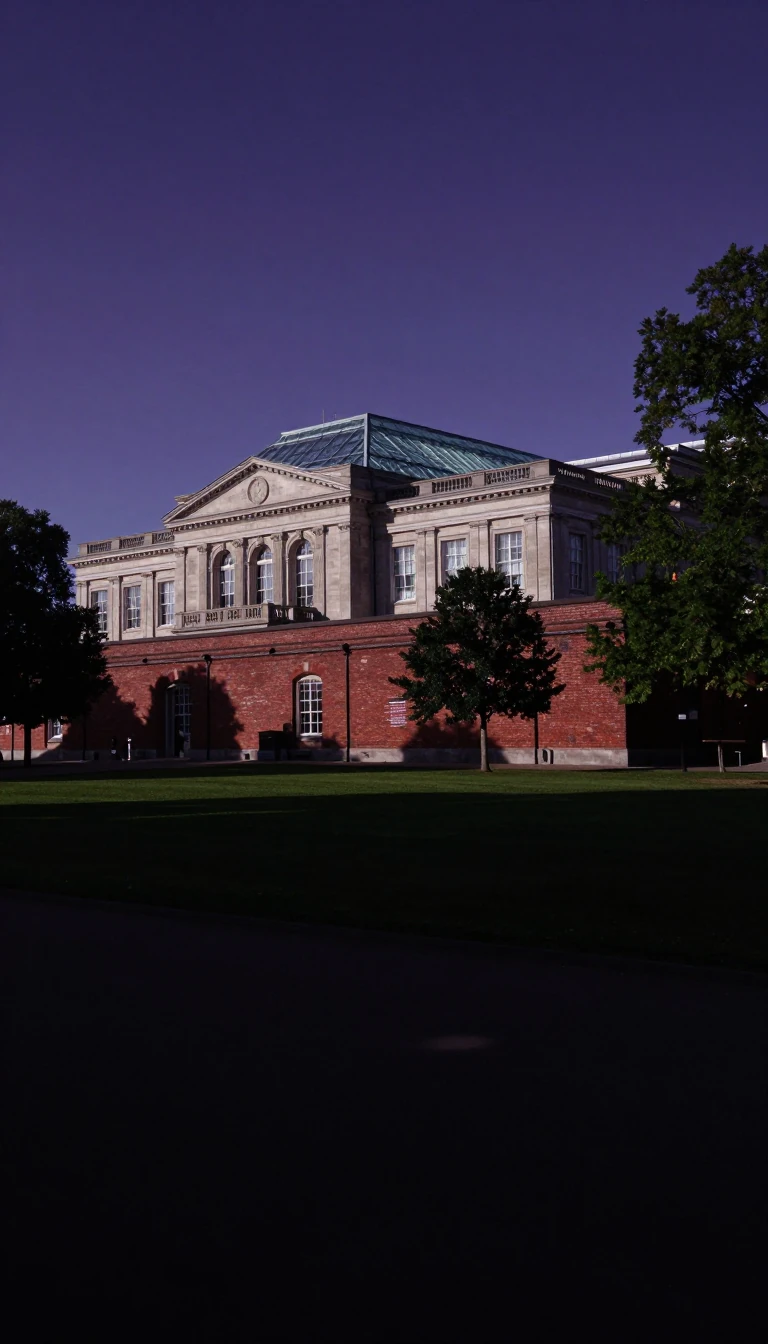
In short: For centuries, the land occupied by New York's premier cultural institutions served as a vital gathering and trading hub for diverse Native peoples. Today, a bronze plaque on the Metropolitan Museum of Art's facade serves as a formal recognition of this history, acknowledging the enduring ties of the Lenape diaspora to their ancestral homeland.
Lenapehoking (Unami: Lënapehòkink) translates to 'in the land of the Lenape.' The term identifies a vast territory that, during the 16th and 17th centuries, stretched along the Eastern seaboard from western Connecticut to Delaware. This region encompassed the Delaware and lower Hudson river valleys, as well as the hill-and-ridge territory between them. The name itself is rooted in the word Lënape, meaning 'real person' or 'original person,' combined with a Proto-Algonquian word for 'land.'
The history of this land is marked by profound displacement. Beginning in the 17th century, European settlement and the introduction of Eurasian infectious diseases led to a severe depopulation of the Lenape people. During the 1700s and 1800s, American authorities compelled the Lenape to relocate into Oklahoma and the Midwest. Despite this removal, many Lenape nations maintain contemporary ties to the region and continue to live and work on the island of Manhattan.
In 2021, The Met installed a bronze plaque on its Fifth Avenue facade to honor these ongoing relationships. This move is part of a broader institutional shift toward 'truthful narratives.' It goes beyond a simple statement; the museum is committed to substantive collaborations with Indigenous communities, including the curation of Native American art that incorporates Indigenous perspectives on environmental and historical issues. The institution is investigating unique tributes for its Cloisters branch, situated close to Manhattan's greatest remaining Indigenous remains, including caves and Lenape paths.
This shift represents a move toward 'active vision' in museum curation. Rather than merely displaying ancestral items, institutions are now tasked with reckoning with their own legacies. By acknowledging Lenapehoking, the museum recognizes that the land is not a neutral backdrop but a site of inextricable Indigenous ties that continue to shape the region's identity today.
Opens the Intellect+ feed with this card first. Swipe up for the next one.
Sources
- Summary by Intellect · source: This Is Lenapehoking - The Metropolitan Museum of Art
- Also: Lenapehoking
To cite this card, link to https://intellectplus.co.uk/app/wars-lenapehoking.
How we source, check and correct cards: Editorial standards.
General information, not professional advice. Spotted an error? Flag the card or see corrections and complaints.
Intellect Plus is a visual educational discovery platform for exploring fascinating facts and ideas. Brain Food, Not Brain Rot. What is Intellect Plus?
Related
More in Early modern wars · More in Wars & Conflicts · Latest · A–Z · All topics
