Manhattan's northern tip holds a history of Lenape settlements, marble quarries, and urban change.
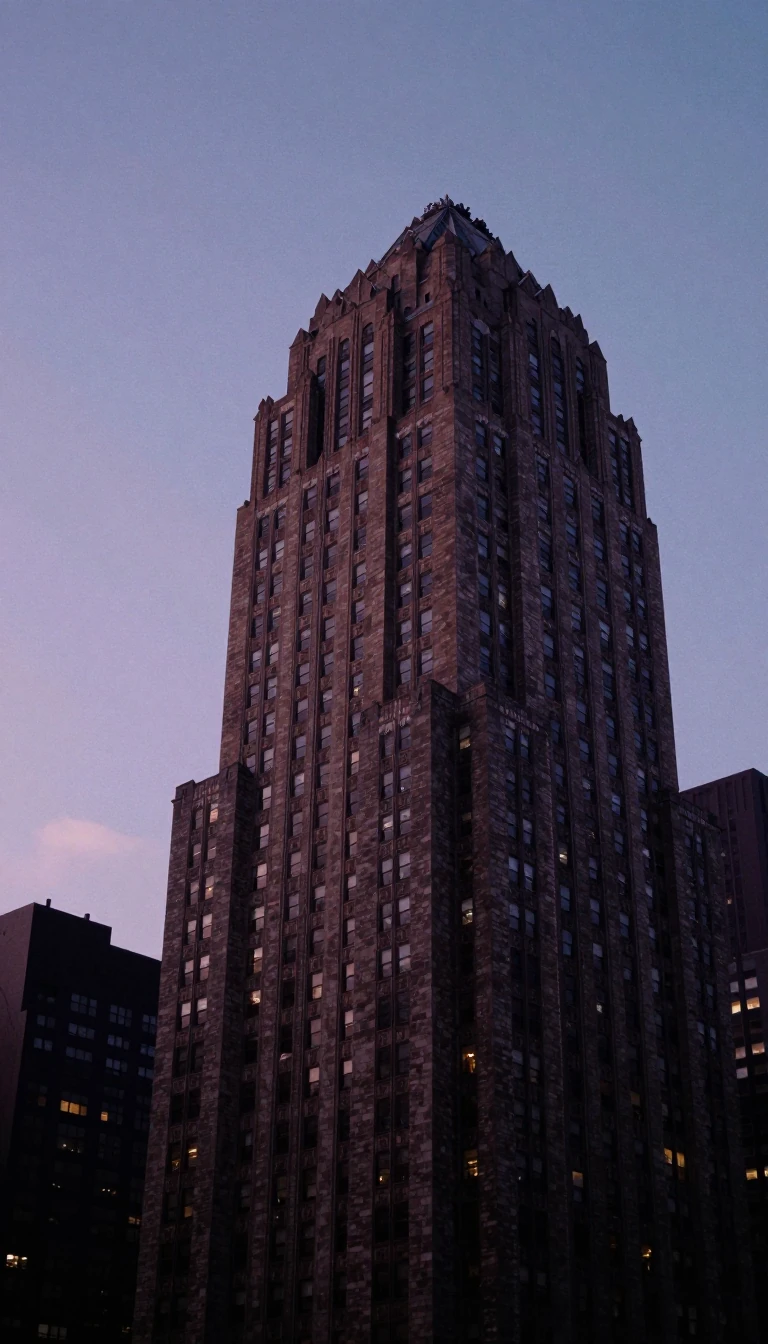
In short: Inwood, the northernmost neighborhood on Manhattan Island, preserves the borough's final natural forest and its last salt marsh. Once a rural landscape of estates and marble quarries, this area has transformed into a densely populated, culturally rich district that balances historic landmarks with ongoing debates over modern urban development.
Before European arrival in the 17th century, the Lenape people inhabited this area, which they considered an ideal place to live due to its abundant fish runs and fertile land. The name Shorakapkok, meaning sitting-down place in the Munsee language, reflects this deep indigenous history. Today, Inwood Hill Park protects the last natural forest on the island, serving as a rare remnant of the landscape that existed before the Dutch and British established colonial control.
The neighborhood's character shifted dramatically in the 20th century. Following the arrival of the subway in 1906, rural estates were replaced by apartment buildings, many featuring Art Deco architecture. For decades, the area was a hub for Irish and Jewish residents, but demographic patterns evolved significantly from the 1960s through the 1980s. Currently, Inwood is home to the largest community of Dominican-descended residents in New York City, with nearly half of all inhabitants born outside the United States.
Development remains a point of contention. In 2018, the New York City Council approved a rezoning plan aimed at increasing housing and commercial space, sparking legal challenges from local groups concerned about gentrification and displacement. While the neighborhood continues to evolve, it retains unique features like the Seaman-Drake Arch, the historic Dyckman House, and the Baker Athletics Complex, where the first televised sporting event in the United States took place in 1939. Today, the area remains a complex intersection of industrial history, academic influence, and vibrant cultural growth.
Opens the Intellect+ feed with this card first. Swipe up for the next one.
Sources
- Summary by Intellect · source: Inwood, Manhattan
To cite this card, link to https://intellectplus.co.uk/app/culture-inwood-manhattan.
How we source, check and correct cards: Editorial standards.
General information, not professional advice. Spotted an error? Flag the card or see corrections and complaints.
Intellect Plus is a visual educational discovery platform for exploring fascinating facts and ideas. Brain Food, Not Brain Rot. What is Intellect Plus?
Related
More in Languages · More in Cultures · Latest · A–Z · All topics
