The Eurovision Song Contest trophy is a notoriously fragile piece of glass art
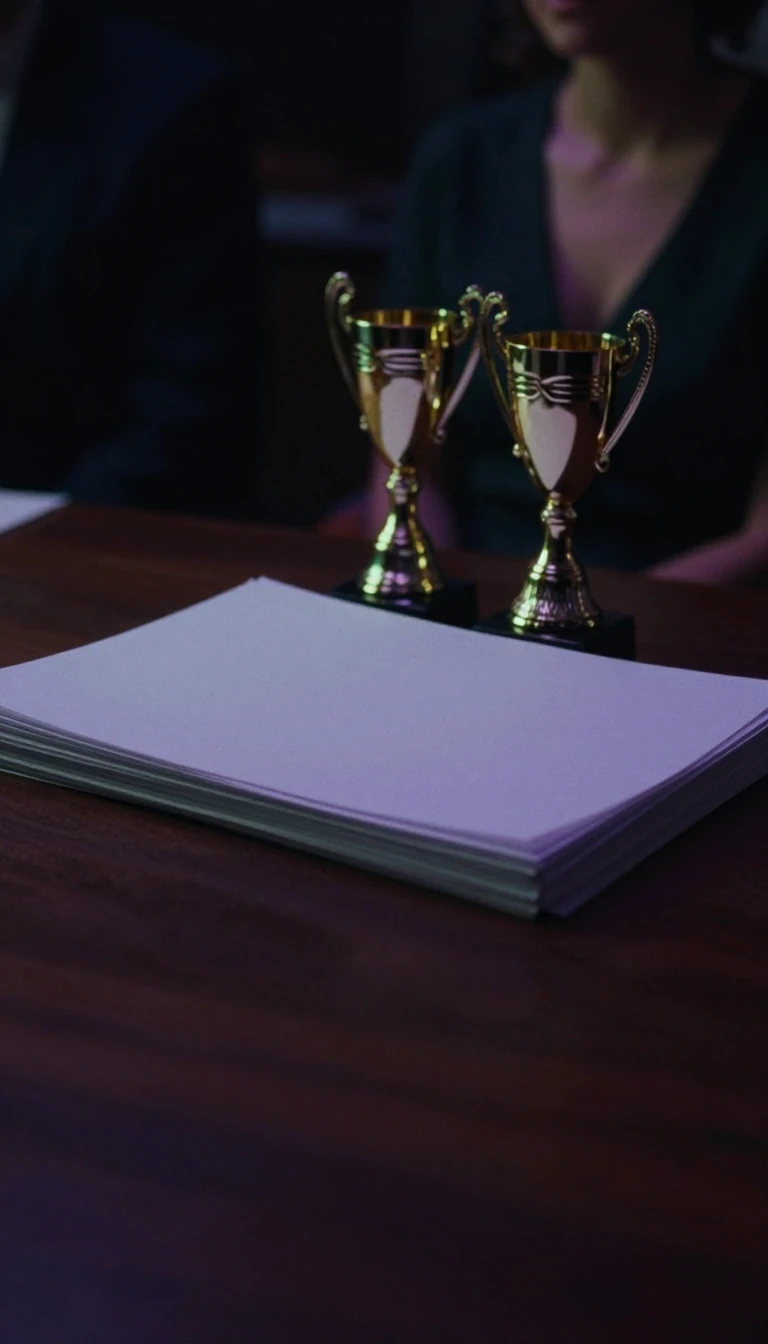
In short: Winning Eurovision earns you a glass microphone trophy and the right to host the next year's contest. Yet, this prestigious award is surprisingly delicate. Several winners have watched their trophies shatter on stage, and despite the recurring breakage, the design has remained unchanged since its 2008 introduction.
The Eurovision Song Contest, organized by the European Broadcasting Union, has been an annual tradition since 1956. While the event is famous for launching the careers of global icons like ABBA, who won in 1974, and Céline Dion, who triumphed in 1988, the physical prize awarded to winners has its own dramatic history. Since 2008, the performer has received a handmade, sandblasted glass trophy shaped like a 1950s microphone, designed by Kjell Engman of Kosta Boda.
This trophy is known for being incredibly fragile. The support structure famously failed on stage for Alexander Rybak in 2009 and Nemo in 2024. Similar breakages occurred for Emmelie de Forest in 2013, Netta in 2018, and JJ in 2025, with all incidents occurring at the exact same weak point. Despite these public mishaps, the organizers have not commissioned any redesigns of the award.
Beyond the trophy, the contest is a complex logistical operation. The winning country earns the right to host the following year's competition. The list of winners spans decades, from Lys Assia’s 1956 victory for Switzerland to Dara’s 2026 win for Bulgaria. The contest was only cancelled once, in 2020, due to the COVID-19 pandemic. The event remains a unique cultural phenomenon, balancing intense competition with the unpredictable nature of live performance and fragile glass.
While the contest is often viewed as a springboard for music stardom, only a few winners have achieved lasting international success. The competition has evolved significantly since its inception, with voting systems and participation numbers shifting over time. Nevertheless, the core tradition of awarding a glass microphone to the winner persists, serving as both a symbol of musical achievement and a recurring source of on-stage spectacle when the glass inevitably gives way.
Opens the Intellect+ feed with this card first. Swipe up for the next one.
Sources
- Summary by Intellect · source: Eurovision Song Contest winner | 2026 Winner, List, Countries, & Years | Britannica
- Also: List of Eurovision Song Contest winners
To cite this card, link to https://intellectplus.co.uk/app/wars-list-of-eurovision-song-contest-winners.
How we source, check and correct cards: Editorial standards.
General information, not professional advice. Spotted an error? Flag the card or see corrections and complaints.
Intellect Plus is a visual educational discovery platform for exploring fascinating facts and ideas. Brain Food, Not Brain Rot. What is Intellect Plus?
Related
More in Viking raids & wars · More in Wars & Conflicts · Latest · A–Z · All topics
