A 1,500-year-old copper plate reveals the secrets of medieval land law
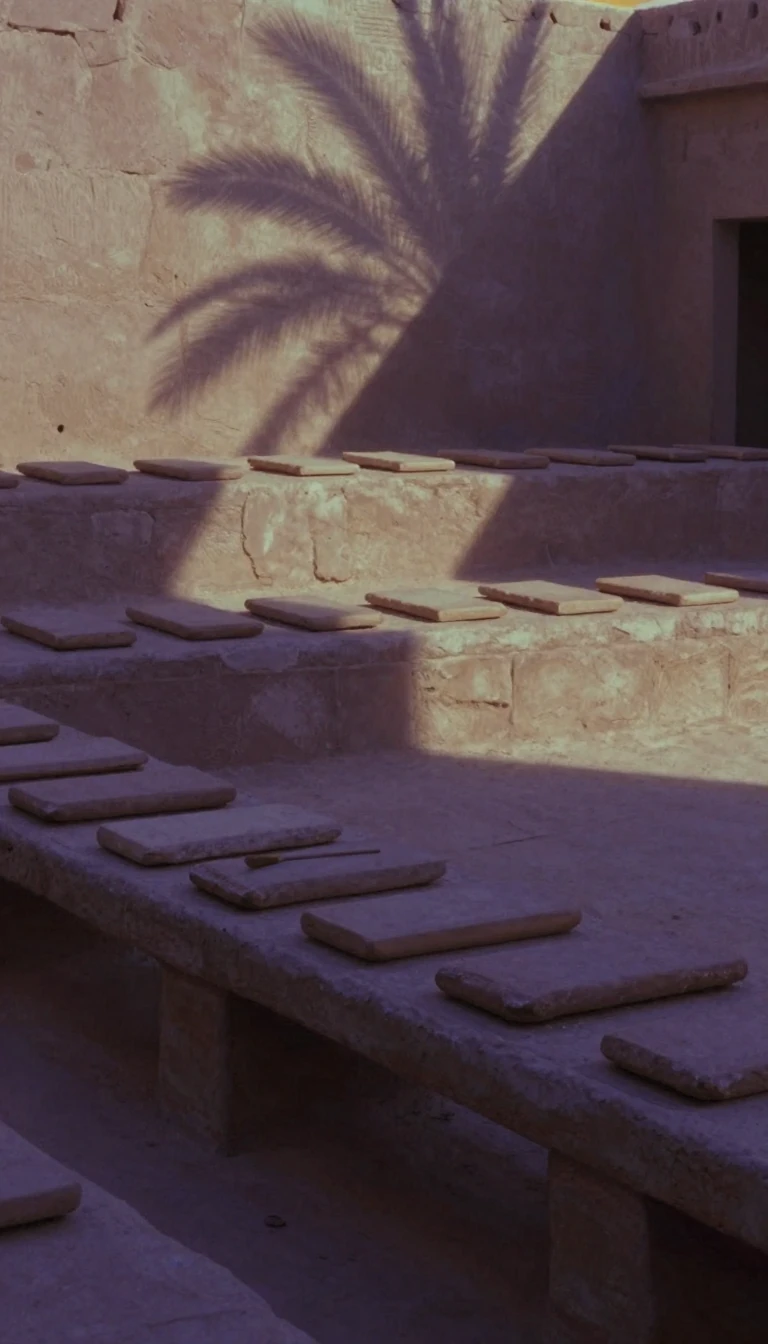
In short: Deep in the hamlet of Thiruvilandur lies a copper-plate charter so heavy and long it surpasses almost all other records in Indian epigraphy. Discovered in 2010, this artifact offers a rare, high-resolution window into how the Chola Empire managed irrigation, taxation, and tax-free settlements over a millennium ago.
During the mid-11th century, the Thiruvilandur plates were produced under Rajadhiraja Chola I and Rajendra Chola II, showcasing supreme medieval record-keeping. Discovered at Kazhukani Muttam on 20 May 2010, these copper-plate charters are cited as India's most massive and lengthy epigraphic records. They provide specific details on the administration of the Chola state, including the establishment of Brahmadeyas—settlements that were granted tax-free status. Beyond simple land grants, the plates document a sophisticated governance system involving irrigation, taxation, and local assemblies. This level of detail highlights the Chola Dynasty's ability to manage complex agricultural economies in the Kaveri delta region. The region was historically divided into various administrative units, such as Rajadhiraja-valanadu and Uyyakkondar-valanadu, which were often renamed by successive rulers like Kulottunga I to reflect changing political dynamics. The region's oldest extant temples date back to the Chola era. These administrative divisions were also known by names like Jayangonda-Chola-valanadu. The town's geography was bisected by the Kaveri River, creating distinct areas like Uttara Mayuram. This area was eventually part of the Thanjavur Maratha kingdom before the British arrived.
The historical significance of Mayiladuthurai (formerly Mayavaram) is further evidenced by its role as a site of imperial activity. Inscriptions at nearby Akkur record the 13th-century activities of Pallava ruler Kopperunchinga I, who subdued the Hoysala Empire and exacted tribute from the Pandyas. Later, in the late 13th century, the Pandyas themselves left records of temple endowments and administrative actions in the same area. These layers of epigraphy show the town as a persistent hub of power and religious devotion for centuries.
Opens the Intellect+ feed with this card first. Swipe up for the next one.
Sources
- Summary by Intellect · source: Mayiladuthurai
To cite this card, link to https://intellectplus.co.uk/app/wars-mayiladuthurai.
How we source, check and correct cards: Editorial standards.
General information, not professional advice. Spotted an error? Flag the card or see corrections and complaints.
Intellect Plus is a visual educational discovery platform for exploring fascinating facts and ideas. Brain Food, Not Brain Rot. What is Intellect Plus?
Related
More in Early modern wars · More in Wars & Conflicts · Latest · A–Z · All topics
