How cheap drones are strangling Russia's military logistics by design
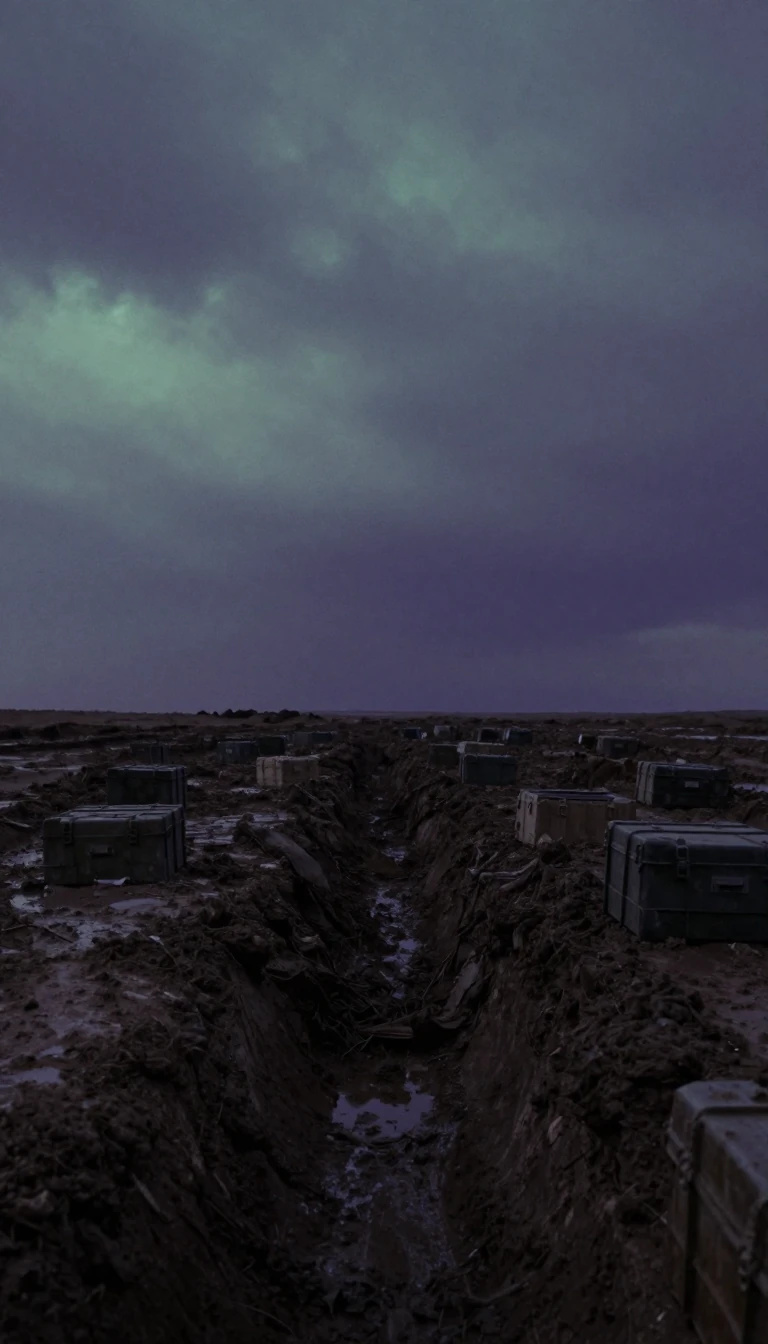
In short: In early 2026, Ukraine launched a strategy to paralyze Russian forces without moving a single soldier forward. By targeting the arteries of supply rather than the front lines, they turned a massive highway into a graveyard for trucks, creating a logistical breakdown that crippled the occupation of Crimea.
The 'middle strike campaign' represents a pivot in modern warfare toward operational depth. Launched in April 2026, the strategy focuses on Russia's land bridge—specifically the 700-kilometre motorway connecting Rostov-on-Don to Crimea. This route, dubbed the 'Highway of Death,' serves as the primary ground line of communication for Russian forces following severe damage to the Kerch Bridge in 2025. By systematically destroying supply trucks, Ukraine aims to make maintaining the occupation of Crimea 'as difficult and expensive as possible' rather than seeking an immediate ground liberation.
The mechanism of this campaign relies on a massive technological asymmetry. Ukraine deployed thousands of operators to launch waves of low-cost one-way attack drones, such as the Hornet and Dart. These drones often cost less than US$50,000—a fraction of the multi-million dollar cruise missiles Ukraine previously used for similar targets. This allows Ukraine to financially defeat Russian defenses; when Russia attempts to intercept these cheap drones with expensive MANPADS or heavy anti-aircraft shells, it creates a sustainability crisis for the Kremlin's defense budget.
The results have been devastating for Russian logistics. By June 2026, commander Robert 'Madyar' Brovdi reported that cargo traffic on the Highway of Death had plummeted by 71% in just two weeks, leading to severe shortages of fuel and food in occupied regions. OSINT monitoring confirmed an intensification of strikes reaching up to 30 targets a day. While Russia struggles with a 'sluggish response' and a shortage of mobile short-range air defense systems, Ukrainian forces have successfully pressured the 5th and 8th Combined Arms Armies by isolating their primary supply lines.
This shift marks a move from striking static infrastructure—like command centers or ammunition dumps—to dynamic targets like moving vehicles. By focusing on bridges, railway junctions, and fuel depots at distances of 25–200 km from the front, Ukraine is effectively 'locking' the logistics of approximately 250,000 to 300,000 Russian ground forces.
Opens the Intellect+ feed with this card first. Swipe up for the next one.
Sources
- Summary by Intellect · source: Middle strike campaign
To cite this card, link to https://intellectplus.co.uk/app/wars-middle-strike-campaign.
How we source, check and correct cards: Editorial standards.
General information, not professional advice. Spotted an error? Flag the card or see corrections and complaints.
Intellect Plus is a visual educational discovery platform for exploring fascinating facts and ideas. Brain Food, Not Brain Rot. What is Intellect Plus?
Related
More in Wars since 1945 · More in Wars & Conflicts · Latest · A–Z · All topics
