How a digital minister attempted to automate the machinery of war
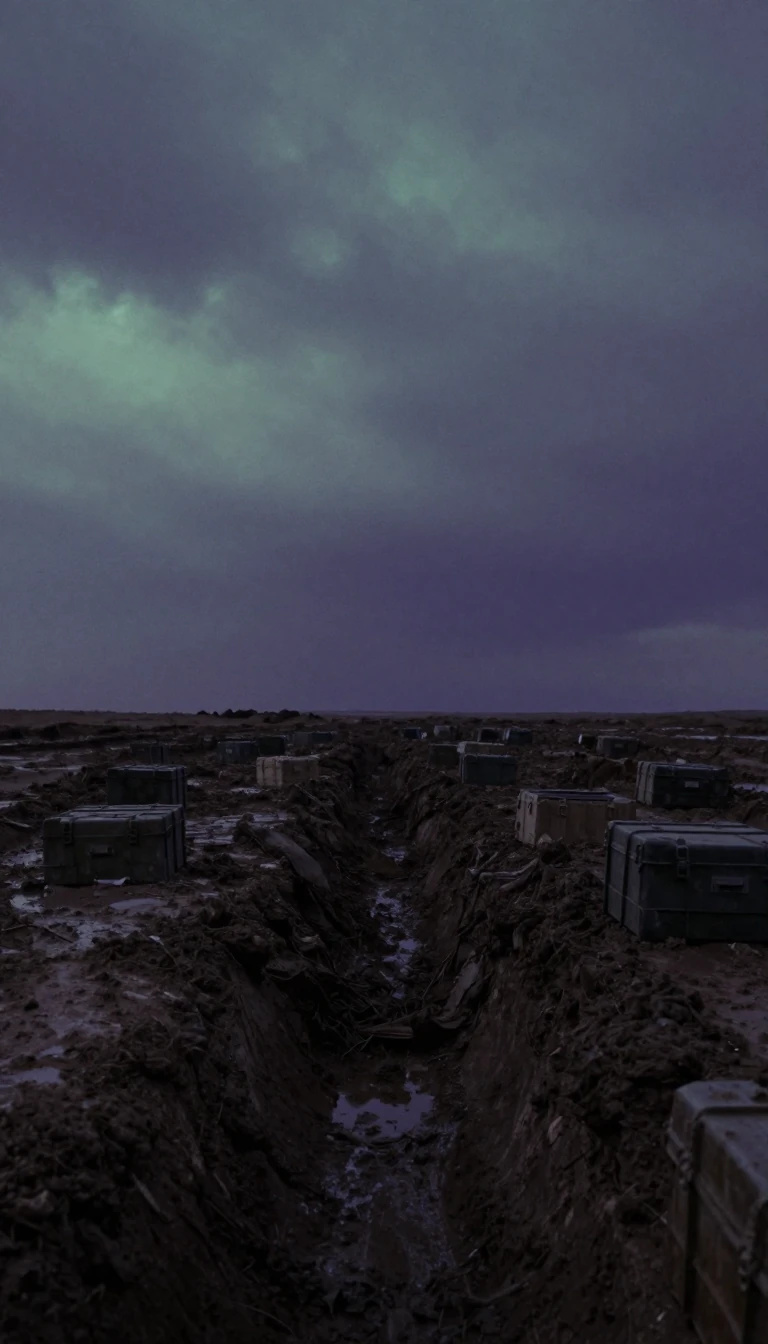
In short: From managing a 'state in a smartphone' to overseeing a national defense strategy, Mykhailo Fedorov applied Silicon Valley logic to the frontlines. His 'AIR LAND ECONOMY' vision sought to use AI, digital marketplaces, and competitive procurement to exhaust an invading force through technological superiority.
Mykhailo Fedorov’s tenure as Ukraine’s Minister of Defence, from January to July 2026, was defined by the 'AIR LAND ECONOMY' strategy. This doctrine rested on three pillars: protecting the skies, deterring ground advances, and crippling the Russian economy. His approach treated warfare as a logistical and technological optimization problem, implementing an open-tender system that reduced artillery shell costs by approximately 16% and launching the 'Logistics Lockdown' to dismantle enemy supply lines up to 150 km deep.
On the technological front, Fedorov integrated digital tools into the battlefield. The 'Mission Control' module within the DELTA system enabled real-time drone coordination, while the DOT-Chain Defence marketplace facilitated the delivery of 485,000 UAVs and hardware valued at ₴31.4 billion in 2026. He also oversaw the expansion of air defenses, including a network of 30 private enterprises that successfully intercepted high-speed Shahed drones, and the development of the first Ukrainian guided aerial bomb (KAB).
However, his tenure was marked by intense friction. Fedorov faced scrutiny after audits revealed ₴300 billion ($6.6 billion) in overspending and dealt with significant personnel challenges, including 200,000 soldiers going AWOL. His dismissal in July 2026, following a government reshuffle, was reportedly linked to conflicts with Commander-in-Chief Oleksandr Syrskyi. Despite the political upheaval, his digital legacy persists through the Diia ecosystem, which by late 2025 served 23 million Ukrainians.
The economic dimension of his strategy involved high-stakes diplomacy, securing billions in international aid and signing €4 billion in defense agreements with Germany. By targeting Russian oil terminals in ports like Primorsk and Novorossiysk, Fedorov aimed to turn the cost of war against the aggressor, attempting to transform a traditional kinetic conflict into a war of economic and algorithmic attrition.
Opens the Intellect+ feed with this card first. Swipe up for the next one.
Sources
- Summary by Intellect · source: Mykhailo Fedorov
To cite this card, link to https://intellectplus.co.uk/app/wars-mykhailo-fedorov.
How we source, check and correct cards: Editorial standards.
General information, not professional advice. Spotted an error? Flag the card or see corrections and complaints.
Intellect Plus is a visual educational discovery platform for exploring fascinating facts and ideas. Brain Food, Not Brain Rot. What is Intellect Plus?
Related
More in Wars since 1945 · More in Wars & Conflicts · Latest · A–Z · All topics
