The Swiss health tonic that evolved into the world's favorite no-cook breakfast cereal
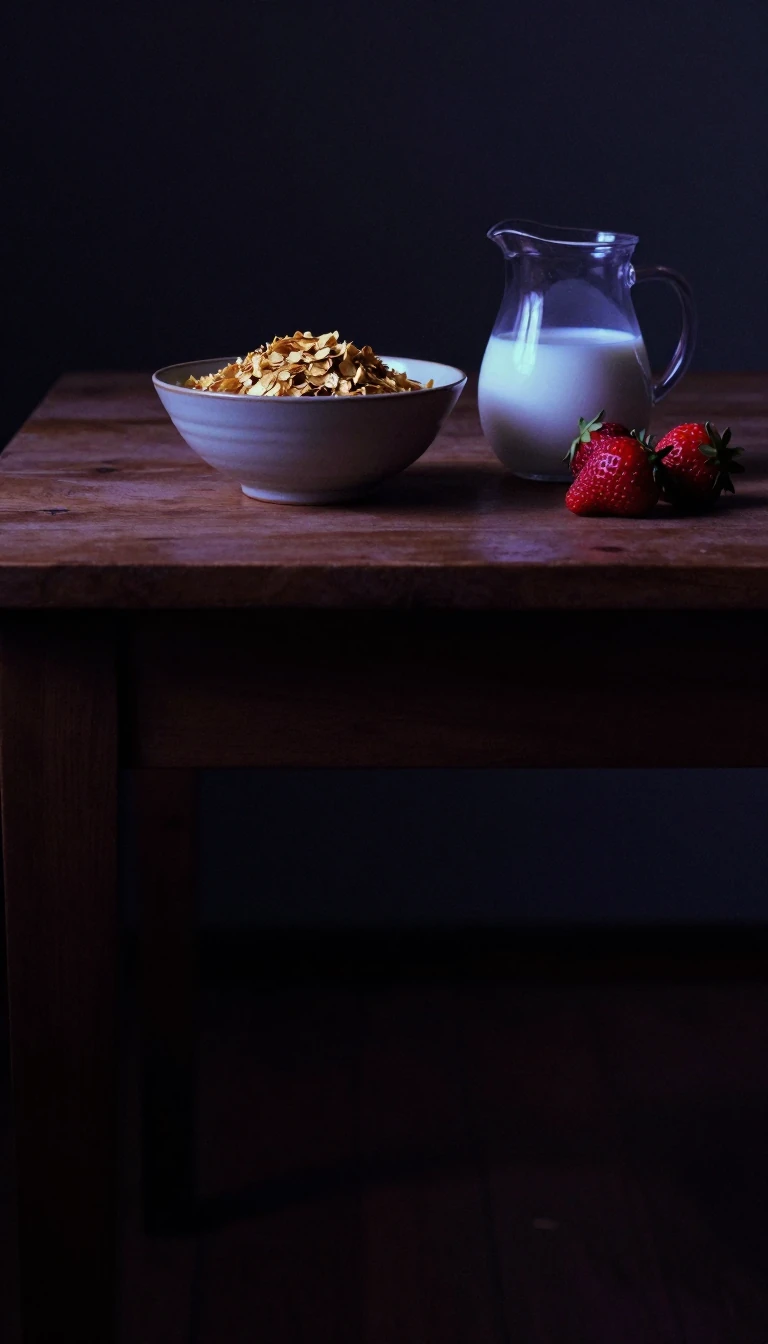
In short: Originally created by a physician for hospital patients, muesli was never intended to be a breakfast food. It was a raw, apple-based appetizer served as a light evening meal. Today, this Swiss staple has been reimagined globally as overnight oats, prized for its simplicity and potential health benefits.
Around 1900, Swiss physician Maximilian Bircher-Benner developed the dish while running his sanatorium, Lebendige Kraft, on the Zürichberg. Inspired by a meal he encountered during a hike in the Alps, he designed the recipe as a therapeutic tool. His patients were served this mixture, which he called d Spys or Apfeldiätspeise, as an appetizer before other courses. It was a core component of his dietary therapy, which emphasized fresh produce and vegetarianism during the lebensreform movement.
The original preparation was precise and distinct from modern boxed cereals. It required soaking one tablespoon of rolled oats in three tablespoons of water for 12 hours. The mixture was then combined with a tablespoon of cream and honey—or sweetened condensed milk—and a tablespoon of nuts. Crucially, a whole apple, including the skin and core, was grated directly into the bowl while stirring to prevent the fruit from browning. Unlike modern versions, it was not a dry cereal to be stored; it was a fresh, perishable preparation.
The transition to a breakfast staple occurred as the dish spread beyond Switzerland. While the term muesli is an Alemannic diminutive for mush, modern commercial versions often bear little resemblance to the original. Today, many establishments market dishes as Bircher muesli to signal a return to the fresh-grated apple method, though these are often modified with ingredients like agave syrup or exotic fruits. Meanwhile, the British Heart Foundation has noted its potential as a cholesterol-lowering food, and research from 2025 suggests a link between regular consumption and reduced mortality risks.
Distinguishing muesli from granola is a matter of processing. While muesli remains a loose mixture of raw grains, nuts, and fruits, granola is baked with added sweeteners and oils to create clusters. This distinction highlights how the dish has evolved from a specific, health-focused clinical prescription into a flexible, globally recognized convenience food.
Opens the Intellect+ feed with this card first. Swipe up for the next one.
Sources
- Summary by Intellect · source: Muesli
To cite this card, link to https://intellectplus.co.uk/app/wars-muesli.
How we source, check and correct cards: Editorial standards.
General information, not professional advice. Spotted an error? Flag the card or see corrections and complaints.
Intellect Plus is a visual educational discovery platform for exploring fascinating facts and ideas. Brain Food, Not Brain Rot. What is Intellect Plus?
Related
More in UK & Ireland: wars · More in Wars & Conflicts · Latest · A–Z · All topics
