From Revolutionary Assembly to Political Party Ritual: The Evolution of the National Convention
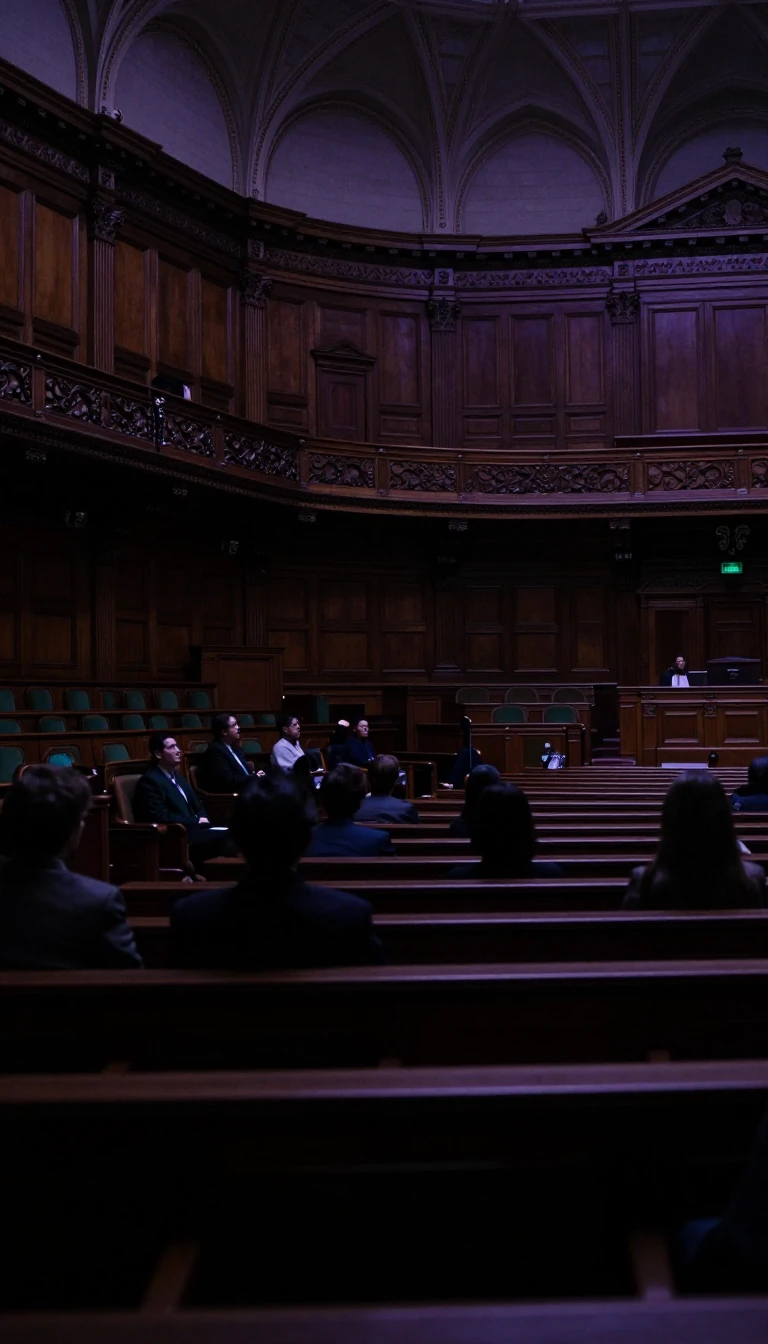
In short: The term National Convention evokes two distinct histories. In modern American politics, it is a structured party ritual to confirm presidential nominees. In 1792 France, it was a radical constituent assembly that abolished the monarchy, birthed a republic, and eventually oversaw the bloodiest phase of the French Revolution.
In the American political system, a national convention serves as the formal mechanism for parties to select their presidential and vice-presidential nominees. Typically, candidates secure the nomination by winning a majority of delegates through state primaries and caucuses. These delegates then gather to confirm their choice. However, if no candidate achieves a majority before the convention, the event is classified as contested. In such scenarios, delegates engage in additional rounds of voting to determine the nominee.
The process becomes even more complex if a nominee fails to win in the first round, leading to a brokered convention. In these rare instances, the rules governing delegate behavior shift, allowing pledged delegates to support different candidates in subsequent rounds of balloting. The influence of superdelegates—who are unpledged and can support any candidate—varies depending on whether the convention is contested or if a candidate has already secured the nomination through the primary process.
Contrast this with the French National Convention of 1792, a revolutionary assembly that functioned as the first government of the French First Republic. Unlike the modern American party gathering, this body was elected by universal male suffrage and tasked with drafting a new constitution after the suspension of King Louis XVI. It was characterized by intense factionalism between the Montagnards, the Girondins, and the Plain. Power eventually concentrated within the Committee of Public Safety, leading to the radical Reign of Terror under Maximilien Robespierre.
While the American convention is a tool for party consensus, the French Convention was a crucible of state-building and political upheaval. The French assembly sat from September 1792 until October 1795, operating through committees and frequent, often nocturnal, sessions. It remains a stark historical example of how a legislative body, born from the desire to abandon monarchy, can become the central engine of a revolutionary state.
Opens the Intellect+ feed with this card first. Swipe up for the next one.
Sources
- Summary by Intellect · source: National conventions | USAGov
- Also: National Convention
To cite this card, link to https://intellectplus.co.uk/app/wars-national-convention.
How we source, check and correct cards: Editorial standards.
General information, not professional advice. Spotted an error? Flag the card or see corrections and complaints.
Intellect Plus is a visual educational discovery platform for exploring fascinating facts and ideas. Brain Food, Not Brain Rot. What is Intellect Plus?
Related
More in Early modern wars · More in Wars & Conflicts · Latest · A–Z · All topics
