The optical trick that lets you aim at infinity
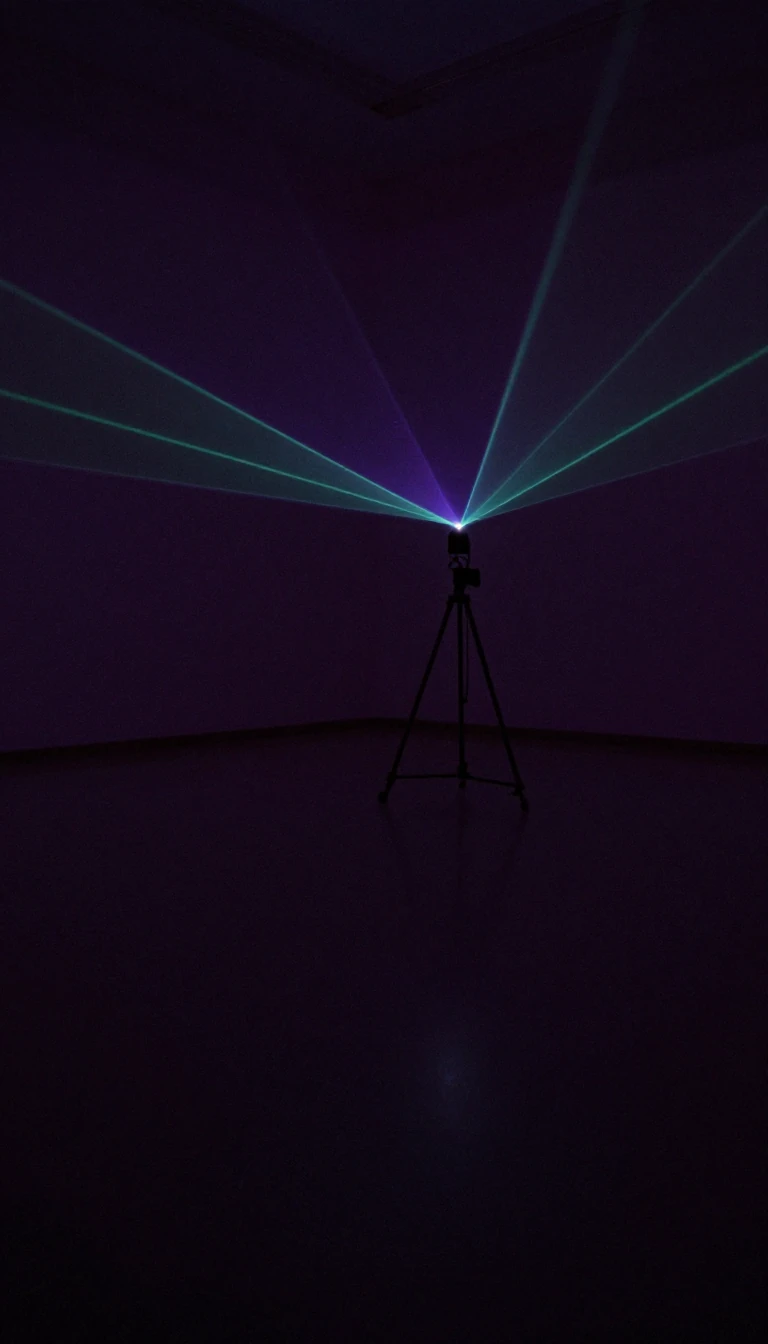
In short: How do you keep a reticle perfectly aligned with a moving target while your head moves? Reflector sights solve this by creating a virtual image at infinity. By using a clever mix of mirrors and lenses, they allow shooters to maintain a constant aim point regardless of eye position.
Invented in 1900 by Irish designer Howard Grubb, the reflector sight was designed to bridge the gap between simple iron sights and complex telescopes. While iron sights require the user to align three different planes of focus—a skill requiring significant training—reflector sights project a virtual image that is already in focus with the target. This eliminates the need for the shooter to constantly adjust their head position or focus, making it accessible to both novice and expert shooters.
The physics relies on an optical collimator. Light becomes almost parallel because a curved mirror or lens focuses a bright, reflective aiming point. This light is then reflected toward the eye using a beam splitter or a partially silvered mirror. Because the image is 'at infinity,' it stays aligned with the weapon's axis even if the viewer's eye moves within the cylindrical volume of light. However, this means that for targets at finite distances, moving your eye toward the edge of the optical window can cause the reticle to shift slightly relative to the target.
The technology has seen a massive evolution in military aviation and small arms. It appeared on German fighters in 1918 and became a staple for aircraft and anti-aircraft guns during World War II. In the 1930s, it evolved into 'reflex sights' that could even be integrated with gyroscopes to provide lead-adjusted reticles for fast-moving targets. By the late 1970s, the invention of the red LED dot sight revolutionized the field, offering a durable, low-power solution that eventually became the standard for modern head-up displays (HUDs) and close-combat optics.
Despite its advantages, the reflector sight has a primary trade-off: it requires a constant light source. Unlike some mechanical sights, they cannot function in total darkness without electrical power or ambient light. Furthermore, while they offer a wide field of view and no 'eye relief' issues, they are only truly parallax-free at infinite range. For close-range targets, manufacturers often set the collimator to a specific finite distance, such as 25–50 yards, to minimize these errors.
Opens the Intellect+ feed with this card first. Swipe up for the next one.
Sources
- Summary by Intellect · source: Reflector sight
To cite this card, link to https://intellectplus.co.uk/app/wars-reflector-sight.
How we source, check and correct cards: Editorial standards.
General information, not professional advice. Spotted an error? Flag the card or see corrections and complaints.
Intellect Plus is a visual educational discovery platform for exploring fascinating facts and ideas. Brain Food, Not Brain Rot. What is Intellect Plus?
Related
More in Military aviation · More in Wars & Conflicts · Latest · A–Z · All topics
