How an ox hide and a refugee crisis built a Mediterranean empire
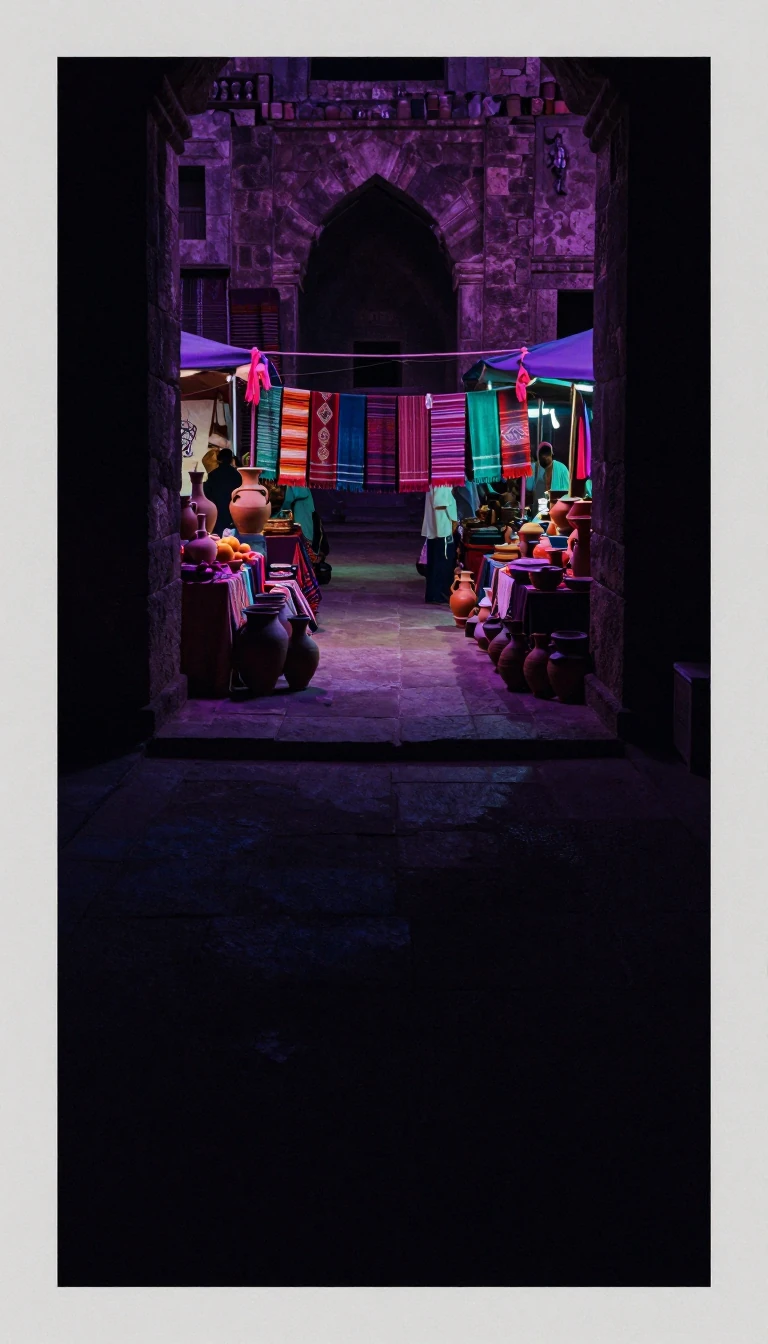
In short: Carthage wasn't just a rival to Rome; it was the ancient world's premier economic powerhouse. From a legendary queen’s clever land grab to a massive influx of wealthy refugees, this North African city-state mastered maritime trade and military might before its ultimate destruction.
The origins of Carthage are steeped in both legend and strategic necessity. According to tradition, the Phoenician Queen Dido founded the city c. 814 BCE after a clever legal maneuver: she claimed as much land as an ox hide could cover, cutting it into thin strips to secure a hill called the Byrsa. While her historicity is debated, the settlement's growth was accelerated by a major geopolitical shift in 332 BCE. When Alexander the Great destroyed Tyre—Carthage’s 'mother-city'—a wave of wealthy refugees fled there, bringing significant capital and establishing Carthage as the new epicenter of Phoenician trade.
By the 4th century BCE, Carthage had evolved into a sophisticated republic governed by a meritocratic elite. The government featured two elected magistrates called suffetes and a life-tenured senate of 200 to 300 members. This political structure supported an economic machine fueled by maritime dominance and agricultural skill. The city boasted dual harbors—one for commerce and one for warships—featuring 220 docks. Its navy secured trade routes across the Mediterranean, while its land power was bolstered by a working relationship with the Berber Kingdom of Numidia, which provided formidable cavalry.
The rivalry with Rome eventually led to the Punic Wars (264–146 BCE), resulting in Carthage's destruction and Rome's ascension as the dominant Mediterranean power. However, the site remained significant; the Romans rebuilt a new city on the same land between 49 and 44 BCE. This second iteration became one of the largest cities in the Roman Empire by the 3rd century, serving as a vital breadbasket for the empire until it was conquered by Vandals in 439 CE.
theme-case-analysis
mood-analysis difficulty-analysis
topic-analysis
Opens the Intellect+ feed with this card first. Swipe up for the next one.
Sources
- Summary by Intellect · source: Carthage
- Also: Roman Carthage
- Also: Wikidata — Carthage · CC0
- Also: Wikidata — Carthage · CC0
To cite this card, link to https://intellectplus.co.uk/app/wars-roman-carthage.
How we source, check and correct cards: Editorial standards.
General information, not professional advice. Spotted an error? Flag the card or see corrections and complaints.
Intellect Plus is a visual educational discovery platform for exploring fascinating facts and ideas. Brain Food, Not Brain Rot. What is Intellect Plus?
Related
More in Ancient & biblical wars · More in Wars & Conflicts · Latest · A–Z · All topics
