The 'New City' that became the Mediterranean's richest trading empire
In short: Carthage wasn't just a city; it was a commercial juggernaut. Founded as a mere refueling stop for Phoenician ships, it evolved into a superpower so wealthy that ancient sources claimed it was the richest in the world. Discover how a
While modern historians generally accept a foundation date of 814 BC, the city's origins are steeped in myth. Legend tells of Queen Dido (or Elissa) fleeing Tyre to escape her brother Pygmalion's tyranny. She allegedly landed in Northwest Africa, established the city on the hill of Byrsa, and eventually committed suicide by the sword to honor her murdered husband. While these stories lack historical value, they reflect the collective self-image of the Carthaginian people.
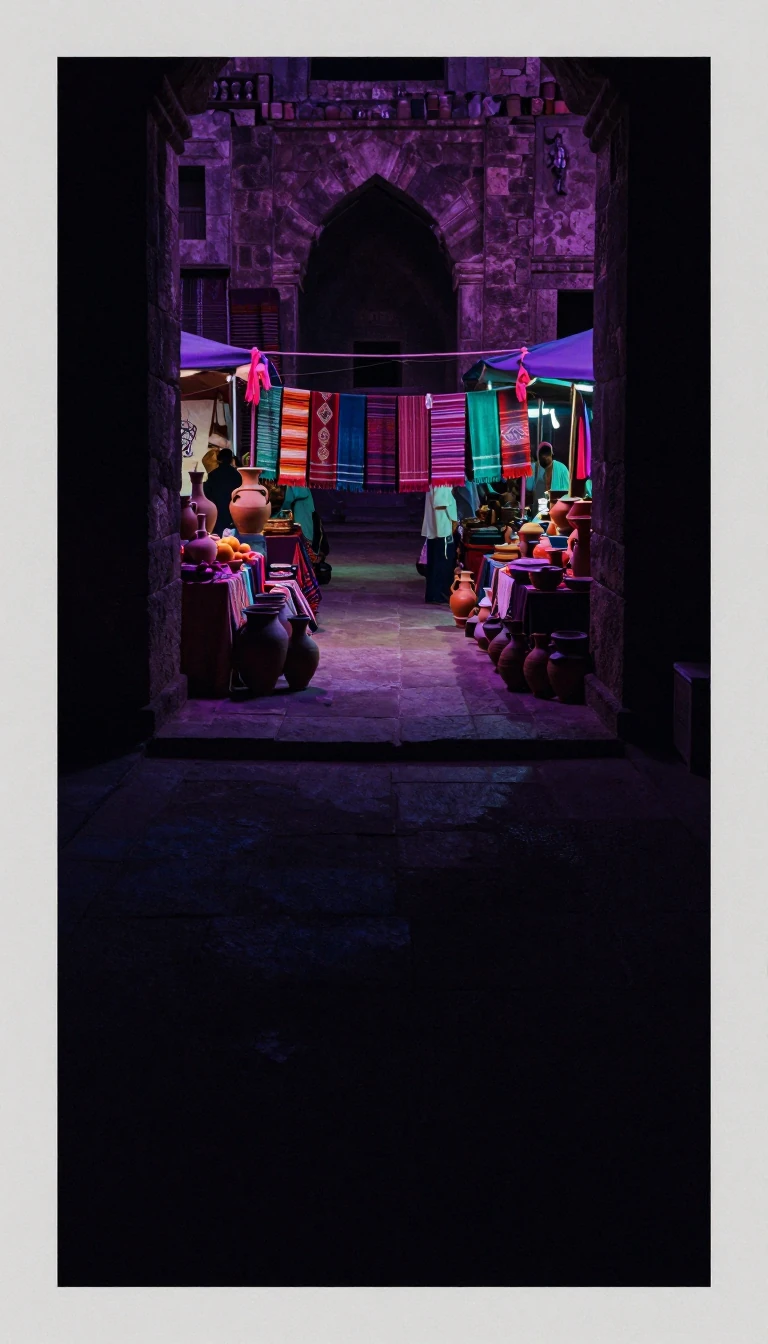
Carthage's rise was fueled by a sophisticated maritime monopoly. Originally a permanent station for the Phoenician city of Tyre, it served as a vital link for trade in metals—specifically tin, silver, gold, and iron—from southern Hispania. The Carthaginians became famous for exporting Tyrian purple dye, extracted from shellfish, and various consumer goods. Unlike other Phoenician colonies, Carthage eventually appointed its own magistrates, gaining direct control over its vast network of settlements.
The city's dominance was eventually eclipsed by the rising Roman Republic. The Punic Wars (264–146 BC) saw Rome systematically dismantle Carthaginian power. By 146 BC, Rome destroyed the city completely, tearing down its walls and cutting off its water supply. A Roman Carthage was established on the ruins, only to be destroyed again by Arab invaders in the 7th century CE. The site was eventually replaced by the modern city of Tunis.
The name 'Carthage' itself provides a linguistic clue to its history. In the Phoenician language, it means "New City," a distinction made from the older nearby settlement of Utica. This naming convention supports the chronology that Carthage was a later, more dominant development in the region. Despite its immense wealth, few physical remains of its riches exist today, as most of its trade involved short-lived materials like textiles, foodstuffs, and slaves.
Opens the Intellect+ feed with this card first. Swipe up for the next one.
Sources
- Summary by Intellect · source: History of Carthage
- Also: Carthage
To cite this card, link to https://intellectplus.co.uk/app/wars-history-of-carthage.
How we source, check and correct cards: Editorial standards.
General information, not professional advice. Spotted an error? Flag the card or see corrections and complaints.
Intellect Plus is a visual educational discovery platform for exploring fascinating facts and ideas. Brain Food, Not Brain Rot. What is Intellect Plus?
Related
More in Ancient & biblical wars · More in Wars & Conflicts · Latest · A–Z · All topics
