The Berber language with a massive urban footprint and deep literary roots
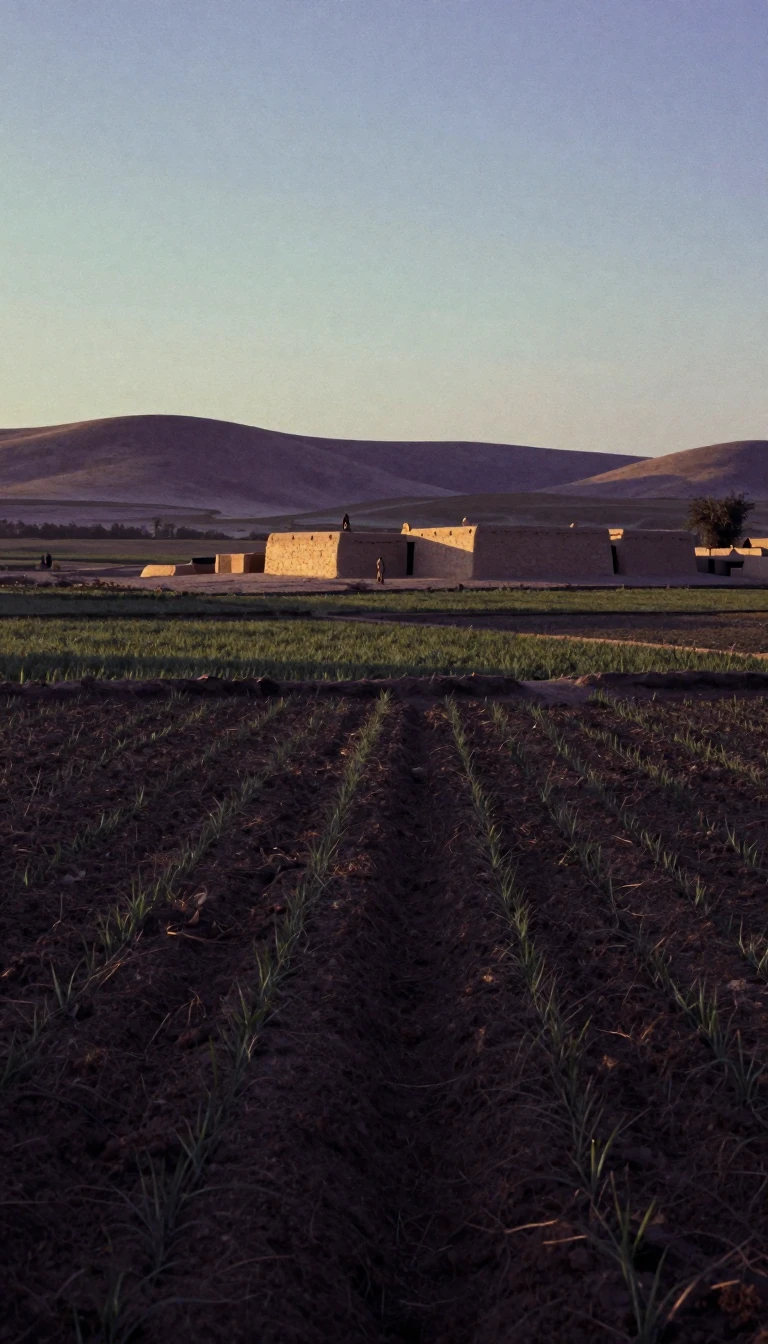
In short: Shilha is far more than a rural dialect; it is Morocco's most widely spoken Amazigh language. Despite its historical ties to the mountains, nearly half of its speakers now live in cities, fueled by centuries of migration and a sophisticated literary tradition that predates modern history.
Shilha (also known as Tashelhit or Tachelhit) is the most geographically extensive Amazigh language in Morocco. While it originated in the High Atlas mountains and the Souss region, its reach is vast: speakers are present in 1,512 of the country's 1,538 municipalities. This expansion is primarily due to a long-term diaspora of small traders and workers seeking economic opportunities, leading to a highly urbanized population where 49% of speakers now reside in cities.
The language possesses a profound internal unity. Despite various regional dialects, linguists like Stumme and Ahmed Boukous have confirmed that all varieties are mutually intelligible. This allows the Shluh people to communicate seamlessly across vast distances—from the desert to the plains of Marrakesh. While it borders Arabic-speaking areas and shares a dialect continuum with Central Atlas Tamazight along the Demnate-Zagora line, Shilha maintains a distinct identity.
Its literary history is equally robust. While primarily an oral language, Shilha has been recorded in manuscripts since at least the 16th century, often using Arabic script for religious texts. Brahim u Ɛbdllah Aẓnag, deceased in 1597, authored a significant initial piece consisting of 'religious sciences' lecture summaries. Modern printed literature began to flourish in the 1970s, building upon centuries of oral traditions including fairy tales, poems, and riddles.
The naming of the language is a point of scholarly nuance. Speakers often use the endonym Taclḥiyt, a feminine noun derived from Aclḥiy (male speaker). However, many Western sources use 'Shilha,' a term derived from Moroccan Arabic. Interestingly, older manuscripts from before the 19th century frequently referred to the language as Tamaziɣt rather than its current common names.
Opens the Intellect+ feed with this card first. Swipe up for the next one.
Sources
- Summary by Intellect · source: Shilha language
To cite this card, link to https://intellectplus.co.uk/app/wars-shilha-language.
How we source, check and correct cards: Editorial standards.
General information, not professional advice. Spotted an error? Flag the card or see corrections and complaints.
Intellect Plus is a visual educational discovery platform for exploring fascinating facts and ideas. Brain Food, Not Brain Rot. What is Intellect Plus?
Related
More in Medieval wars · More in Wars & Conflicts · Latest · A–Z · All topics
