The language of the "free people" survived centuries of empire
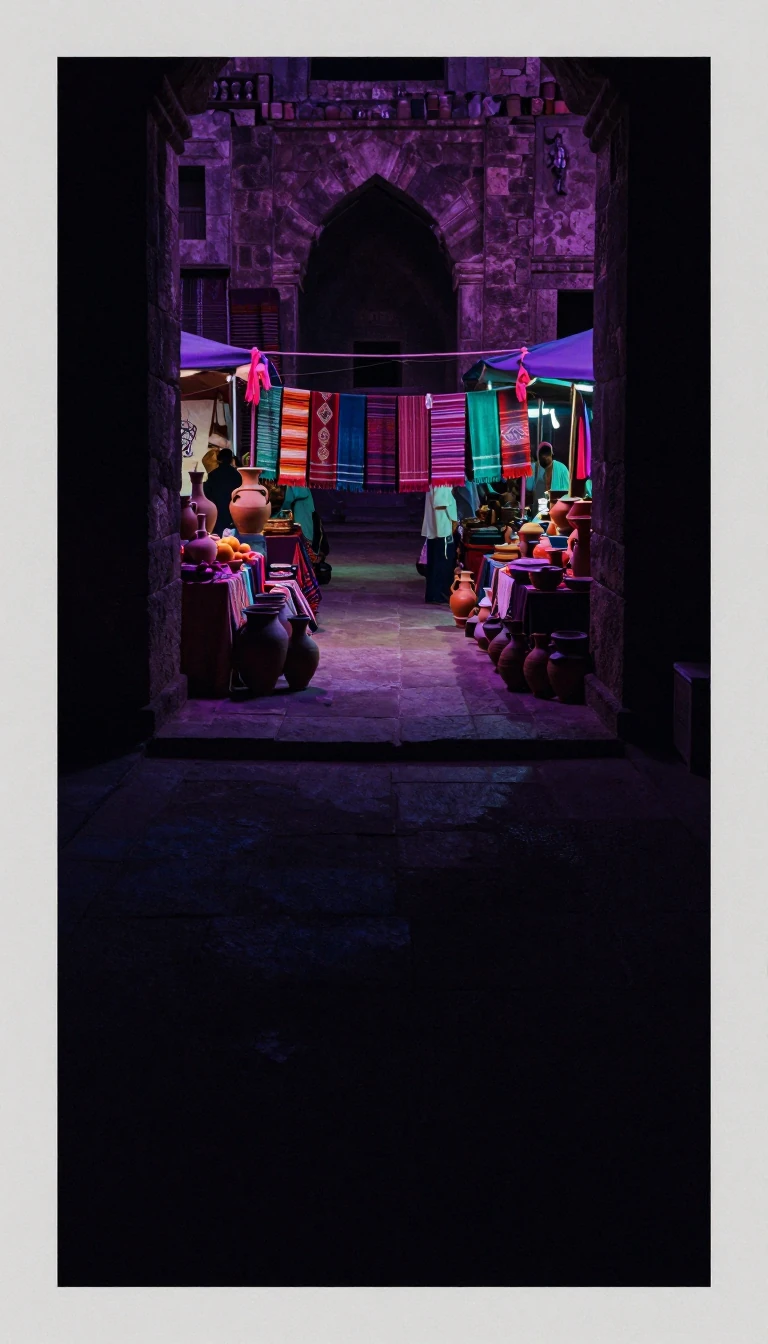
In short: For over 3,000 years, the Berber people of North Africa have maintained a distinct identity. While empires rose and fell across their lands, Central Atlas Tamazight persisted in the mountains—a linguistic fortress that preserved a unique Afroasiatic heritage against waves of Arab migration and colonial expansion.
Central Atlas Tamazight is a primary Berber language spoken by approximately 2.7 million people, accounting for about 7.4% of Morocco's population. It belongs to the Atlas branch of the Northern Berber subgroup within the Afroasiatic language family. This family is vast, encompassing Semitic languages, Egyptian, Chadic, and Cushitic. Tamazight retains ancient features like a two-gender system, verb–subject–object (VSO) typology, and 'emphatic' pharyngealized consonants. Notably, it lacks the phoneme /p/ and features a phonemic three-vowel system.
The region's history is one of persistent autonomy. While Carthage and later Rome dominated much of North Africa, the Central Atlas remained independent during the classical period. Linguistic fossils prove this contact: the word for 'plough ox' (ayugu) likely derives from the Latin iugum, while 'onion' (aẓalim) traces back to Punic. Following the 7th-century Arab conquests and the 11th-century arrival of the Banu Hilal, much of North Africa became Arabic-speaking. However, the high mountainous regions served as refuges, allowing Tamazight to endure where other dialects were absorbed.
Modern history reveals a complex relationship with authority. From the 12th to 15th centuries, the region fell under Moorish dynasties, but until the 20th century, many tribes lived in a state of 'siba'—recognizing the spiritual legitimacy of the Alaouite monarchy while rejecting its political claims. Even under French and Spanish protectorates starting in 1912, tribes like the Ait Atta mounted stiff military resistance until 1933. Today, while the language faces 'contraction' due to urban migration, it remains a vital cultural pillar, officially recognized and taught in schools since 1994.
Sociolinguistically, the language is currently in a state of transition. About 40–45% of speakers are monolingual, a status more common among women and children in rural areas. This gender stratification—where women preserve the language in the home while men migrate for work—acts as a crucial mechanism for linguistic survival. While many fear a shift toward Arabic, Tamazight remains robust enough to be considered not at risk of endangerment.
Opens the Intellect+ feed with this card first. Swipe up for the next one.
Sources
- Summary by Intellect · source: Central Atlas Tamazight
To cite this card, link to https://intellectplus.co.uk/app/wars-central-atlas-tamazight.
How we source, check and correct cards: Editorial standards.
General information, not professional advice. Spotted an error? Flag the card or see corrections and complaints.
Intellect Plus is a visual educational discovery platform for exploring fascinating facts and ideas. Brain Food, Not Brain Rot. What is Intellect Plus?
Related
More in Medieval wars · More in Wars & Conflicts · Latest · A–Z · All topics
