The ancient tholos: a versatile circle of power and ritual
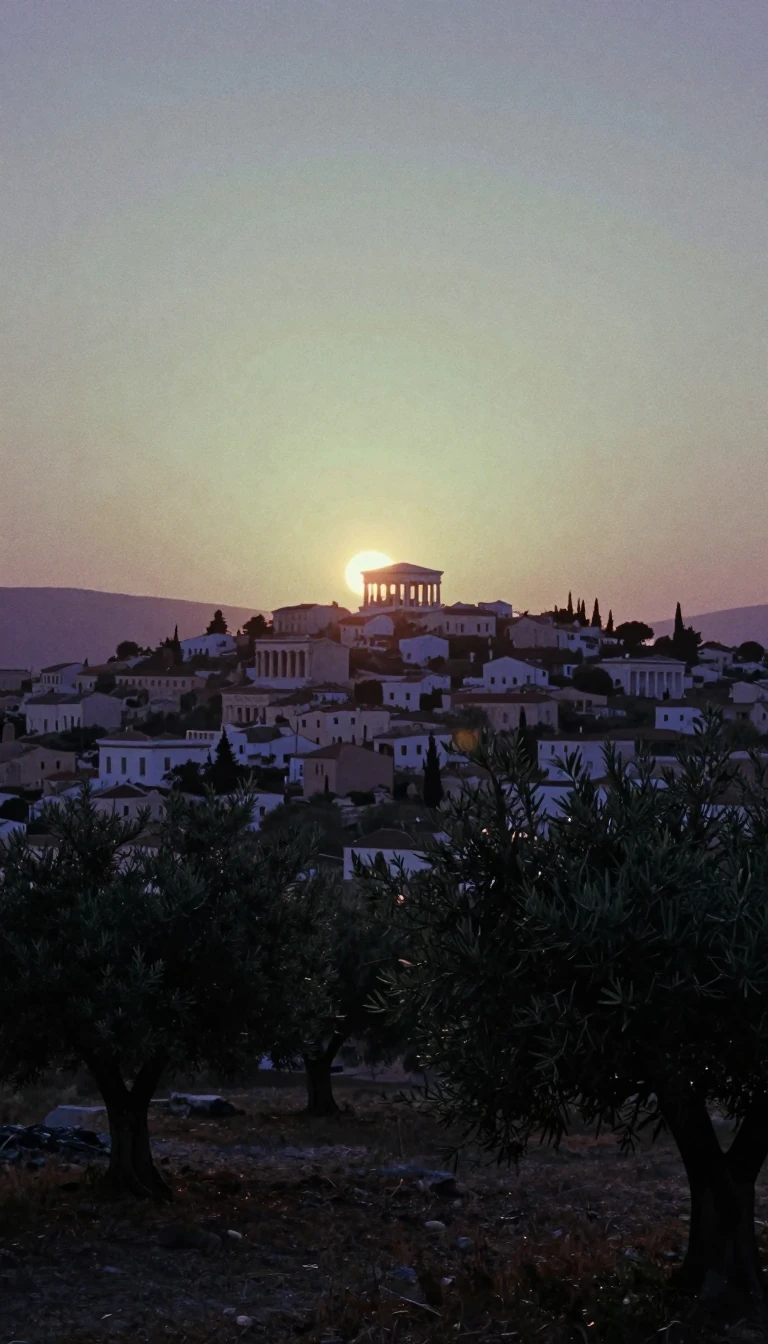
In short: From the dining halls of Athenian senators to massive royal mausoleums, the circular tholos was architecture's ultimate multi-tool. While many associate round buildings with temples, these structures often served far more secular—and sometimes more private—purposes, blending innovative engineering with high-status aesthetics across the Greco-Roman world.
In classical Greek architecture, a tholos is defined as a circular building featuring a conical or vaulted roof. While it can include a peristyle (a surrounding colonnade), its defining characteristic is the round form. It is distinct from the monopteros, which lacks walls entirely, and must not be confused with 'beehive tombs'—distinct Late Bronze Age structures. Instead, the tholos was an adaptable architectural language used for diverse functions ranging from public governance to private memorialization.
The versatility of the form is best seen in its varied applications. In Athens around 470 BC, a tholos served as a dining hall and debating chamber for the boule (a council of 500 citizens). Conversely, at Epidaurus circa 360 BC, the sculptor Polykleitos the Younger designed a 'place of sacrifice' featuring an innovative mix of Doric columns outside and Corinthian columns inside. In Olympia, Philip II of Macedon erected the Philippeion around 338–335 BC as a victory memorial to house chryselephantine statues of his family.
The Romans further adapted the tholos into civic infrastructure and grand funerary monuments. It appeared in market centers (macella) for selling fish or holding official weights, and it reached its most iconic form in the Pantheon—though that structure is unique for its massive flat temple front which obscures its circularity. For the elite, the tholos became a vessel for dynastic legacy; the Mausoleum of Augustus, built around 28 BC, served as a public park feature where ashes were interred, while other large circular tombs functioned like 'weekend cottages' complete with gardens and kitchens.
The architectural influence of the tholos eventually stretched to the edges of the Mediterranean. In Numidia (modern Algeria), Berber kings adopted the form for royal mausoleums, blending Greek orders with Egyptian-style stepped pyramids. This enduring geometry proved so structurally sound that a 1920s reconstruction of an ancient Samothrace tholos even served as a functional water tower in Massachusetts.
Opens the Intellect+ feed with this card first. Swipe up for the next one.
Sources
- Summary by Intellect · source: Tholos (architecture)
- Also: Tholos | Greek, Round, Temples | Britannica
To cite this card, link to https://intellectplus.co.uk/app/wars-tholos-architecture.
How we source, check and correct cards: Editorial standards.
General information, not professional advice. Spotted an error? Flag the card or see corrections and complaints.
Intellect Plus is a visual educational discovery platform for exploring fascinating facts and ideas. Brain Food, Not Brain Rot. What is Intellect Plus?
Related
More in Ancient & biblical wars · More in Wars & Conflicts · Latest · A–Z · All topics
