Montreal's Underground City is not actually a subterranean city, but an indoor network.
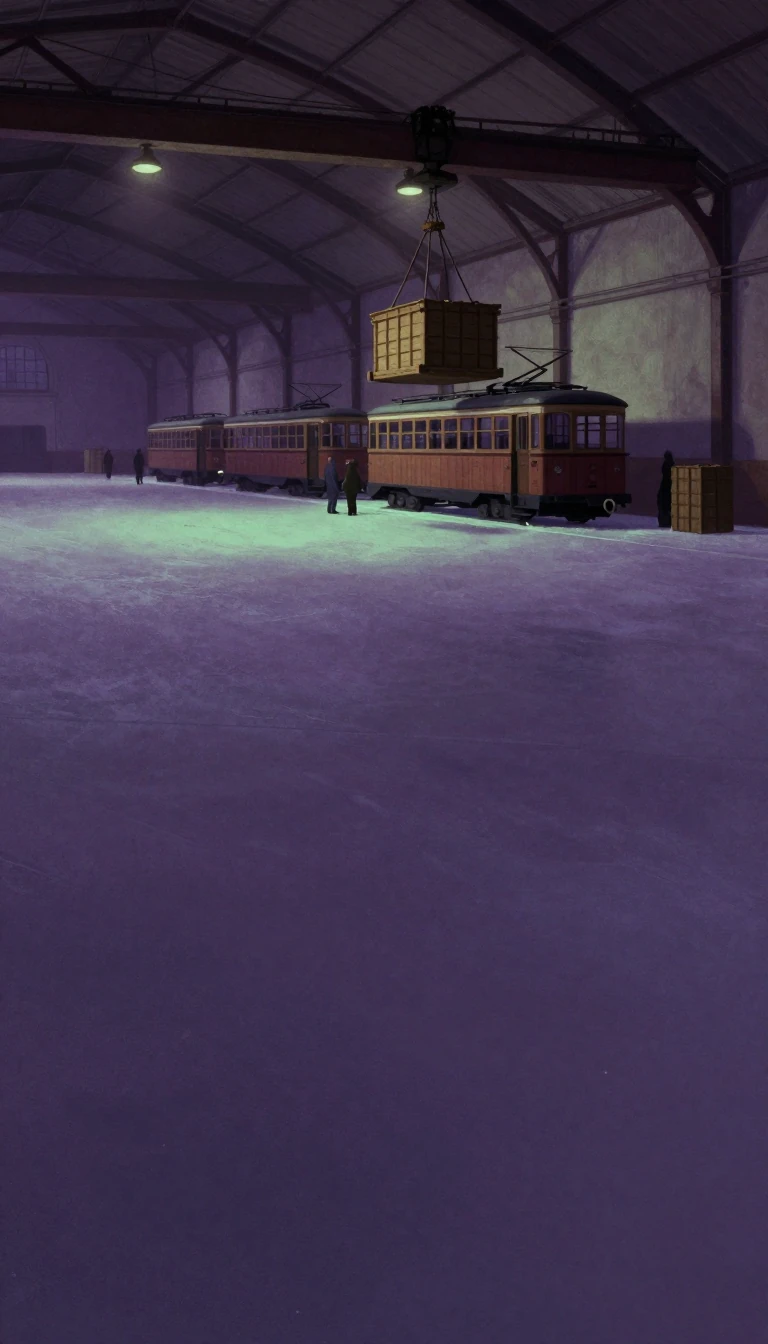
In short: Known as RÉSO, Montreal's vast pedestrian network connects office towers, universities, and shopping centers through 32 kilometers of climate-controlled tunnels. While often called an underground city, many of its primary access points sit at ground level, serving as a vital indoor sanctuary for half a million daily users during harsh winters.
The origins of this sprawling complex date back to 1962 with the opening of Place Ville Marie. This project was designed to reclaim space above a gaping railway trench located north of Central Station. By integrating an office tower and shopping mall, developers established the first link between the station and the Queen Elizabeth Hotel. The network expanded significantly in 1966 with the arrival of the Montreal Metro, which provided the infrastructure to connect major landmarks like Place Bonaventure and the Château Champlain hotel.
The system evolved through strategic urban planning, particularly the Montreal Urban Community Transit Commission's policy of granting construction rights above Metro entrances. This encouraged developers to link private buildings directly to the transit grid. By the 1970s and 1980s, the network grew rapidly, adding segments like the Complexe Desjardins and various shopping centers near McGill station. Today, the network covers 12 square kilometers and includes over 1,200 offices, 2,000 stores, and 40 movie screens, functioning as a seamless indoor extension of the city's downtown core.
Despite its scale, the network is not immune to structural challenges. In August 2007, a seven-meter fissure appeared in a corridor ceiling near McGill station, prompting emergency closures and the installation of over 1,000 temporary metal supports. Investigations later linked the damage to nearby bike path construction. Today, the network is branded as RÉSO, a play on the French word for network. It remains the largest underground pedestrian system globally, allowing commuters to traverse the city center entirely sheltered from the elements.
The network's utility is most apparent during winter, when it facilitates movement for nearly 500,000 people daily. It is not a single, uniform tunnel but a complex U-shaped arrangement of passages, skybridges, and integrated building basements. While some residents view it primarily as a series of malls, its integration with the Metro and major institutions like Concordia University and the Palais des Congrès makes it a fundamental piece of Montreal's urban identity.
Opens the Intellect+ feed with this card first. Swipe up for the next one.
Sources
- Summary by Intellect · source: Underground City, Montreal
To cite this card, link to https://intellectplus.co.uk/app/wars-underground-city-montreal.
How we source, check and correct cards: Editorial standards.
General information, not professional advice. Spotted an error? Flag the card or see corrections and complaints.
Intellect Plus is a visual educational discovery platform for exploring fascinating facts and ideas. Brain Food, Not Brain Rot. What is Intellect Plus?
Related
More in World wars era · More in Wars & Conflicts · Latest · A–Z · All topics
