The 2000s oil spike: a collision of geology, geopolitics, and greed
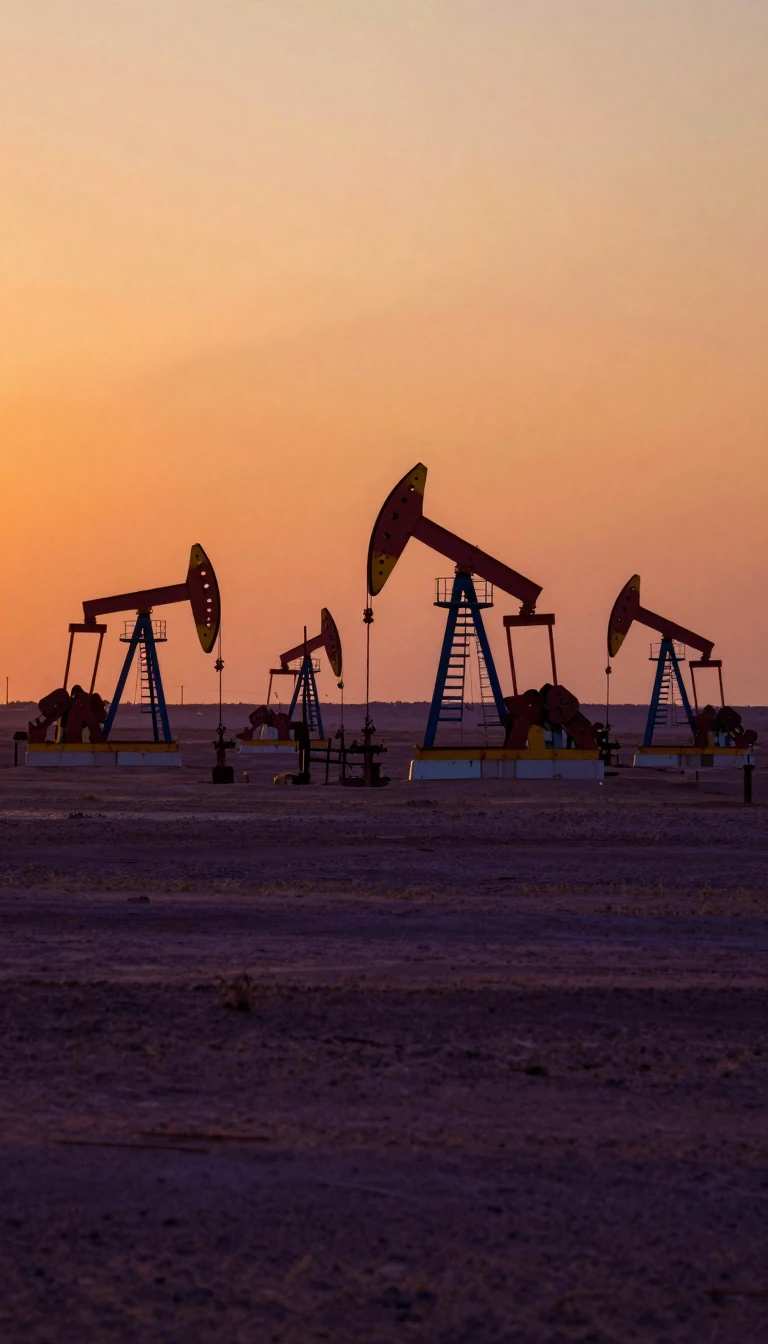
In short: In 2008, crude oil prices hit a staggering $147.30 per barrel, nearly tripling in just three years. This wasn't just a simple supply shortage; it was a perfect storm of soaring demand from emerging giants, the physical limits of extraction, and a complex web of financial speculation.
The rapid ascent from under $25 per barrel in the mid-1980s to a peak of $147.30 in July 2008 was driven by a multifaceted set of pressures. Geopolitically, the market reacted to Middle East tensions, North Korean missile tests, and the 2006 conflict between Israel and Lebanon. Economically, the falling value of the U.S. dollar and a massive surge in demand from China—which saw oil consumption double between 1996 and 2006—pushed prices upward. These factors were compounded by 'peak oil' anxieties: the realization that global production had surpassed new discoveries in 1980, leading to a steady slowdown in supply growth. A critical mechanism behind this crisis was the diminishing return on energy investment. As easily accessible 'light sweet crude' reserves were exhausted, the world was forced toward more expensive, unconventional sources like the Canadian oil sands.
These resources are significantly less cost-efficient than conventional crude and only become economically attractive when prices exceed $60 per barrel. Furthermore, research by Timothy Kailing suggested that in mature regions like the United States, simply drilling more did not yield significant production increases due to a 'severely diminishing power law' of energy returns. The crisis also highlighted the role of state intervention and market psychology. While many nations used fuel subsidies to shield consumers—with some estimates suggesting half the world's population enjoyed such protections—these subsidies often masked the true cost of energy. When governments could no longer afford them, prices spiked. Simultaneously, financial speculation added a layer of volatility that many argue made the 80% price collapse in late 2008—triggered by the global recession—an anomaly that traditional supply and demand laws struggle to fully explain.
Opens the Intellect+ feed with this card first. Swipe up for the next one.
Sources
- Summary by Intellect · source: 2000s energy crisis
- Also: www.ferc.gov — Addressing the 2000-2001 Western Energy Crisis
To cite this card, link to https://intellectplus.co.uk/app/wealth-2000s-energy-crisis.
How we source, check and correct cards: Editorial standards.
General information, not professional advice. Spotted an error? Flag the card or see corrections and complaints.
Intellect Plus is a visual educational discovery platform for exploring fascinating facts and ideas. Brain Food, Not Brain Rot. What is Intellect Plus?
Related
More in Financial crises · More in Wealth & Business · Latest · A–Z · All topics
