Why the global price of oil is no longer a simple matter of supply
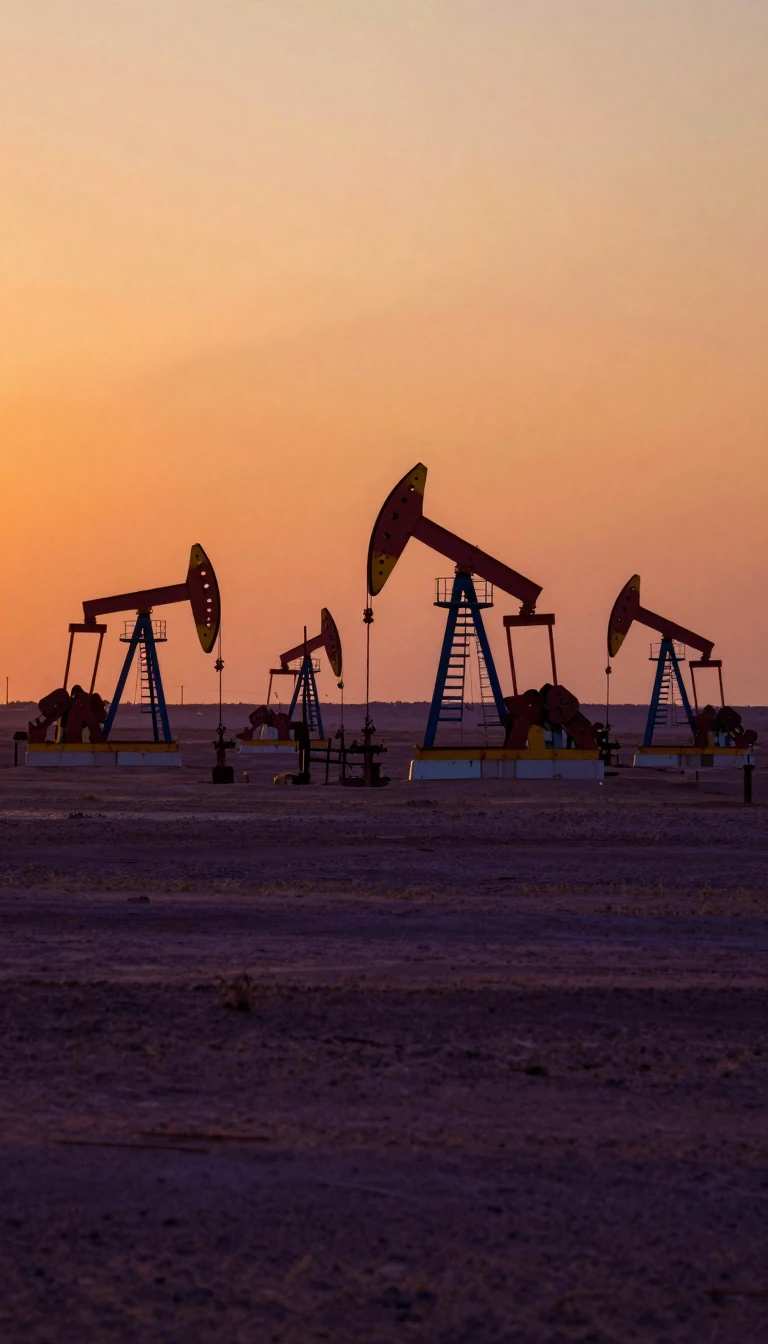
In short: For decades, oil prices were kept stable by a cartel of companies known as the Seven Sisters. That era ended in the 1970s, replaced by a volatile landscape driven by geopolitical shocks, speculative trading, and complex economic models. Today, the price of a barrel is a global puzzle, not a domestic one.
Before the rise of petroleum in the 1850s, whale oil served as the primary fuel for lamps and lubrication. It was remarkably expensive; in 1804, it cost $0.50 per gallon, or $21 per barrel—the equivalent of $575 in 2025 dollars. Once petroleum took over, global prices remained relatively consistent for over a century, managed by the Seven Sisters cartel through agreements like the 1928 Achnacarry Agreement.
The stability crumbled in the 1970s. The 1973 oil crisis, triggered by an OPEC embargo during the Yom Kippur War, and the 1979 Iranian Revolution caused unprecedented price spikes. These events shifted the market from one controlled by private companies to one influenced by OPEC and global macroeconomic conditions. By 1980, global average prices hit $107.27, eventually reaching an all-time peak of $147 in July 2008.
Modern oil pricing is a complex interplay of benchmarks like Brent and West Texas Intermediate (WTI). Prices are determined by global supply and demand, but they are also sensitive to shocks—ranging from the 2020 Russia–Saudi Arabia price war to the 2026 Iran war. Economists now use sophisticated tools like structural vector autoregressive models to understand these fluctuations, acknowledging that oil prices are endogenous to global growth. Even with these models, predicting the market remains notoriously difficult.
The landscape continues to evolve. The U.S. shale revolution, which turned the United States into a major exporter by 2015, introduced a new era of volatility. While some analysts argue this created a 'New Oil Order' that keeps prices lower for longer, others view it as just another cycle. As demonstrated by the 2026 conflict in the Strait of Hormuz, geopolitical uncertainty remains a primary driver, proving that the price of oil is as much about global security as it is about the commodity itself.
Opens the Intellect+ feed with this card first. Swipe up for the next one.
Sources
- Summary by Intellect · source: Price of oil
- Also: Wikidata — price of oil · CC0
To cite this card, link to https://intellectplus.co.uk/app/places-price-of-oil.
How we source, check and correct cards: Editorial standards.
General information, not professional advice. Spotted an error? Flag the card or see corrections and complaints.
Intellect Plus is a visual educational discovery platform for exploring fascinating facts and ideas. Brain Food, Not Brain Rot. What is Intellect Plus?
Related
More in World Heritage Sites · More in Countries & Cities · Latest · A–Z · All topics
