Why the dream of the independent farmer remains a powerful critique of modern life
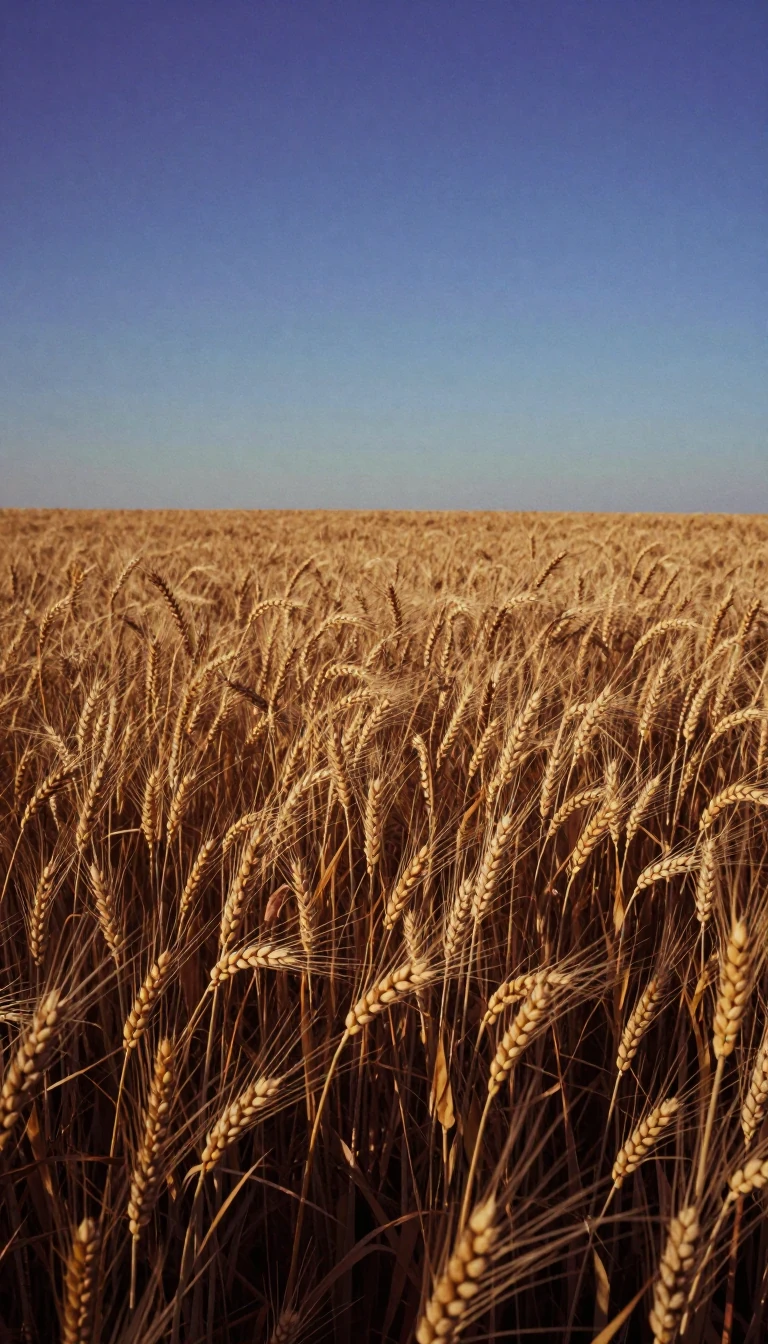
In short: Agrarianism is more than just farming; it is a philosophy that champions family land ownership, political decentralization, and moral character. From ancient Roman poets to modern American essayists, proponents have long argued that rural life offers a path to genuine independence, community stability, and a spiritual connection to nature.
The roots of agrarian thought stretch back to antiquity. Hesiod’s 8th-century BCE epic, Works and Days, established the link between farming and moral improvement, a theme later echoed by Roman writers like Cato and Virgil. By the 18th century, figures like Thomas Jefferson argued that the yeoman farmer was the bedrock of a free republic, possessing the independence of mind necessary for true citizenship. This tradition emphasizes that when individuals are rooted in a locale, they develop stable associations that foster leisure, friendship, and art, rather than the acquisitive, technocratic values of industrial society.
In the 20th century, this philosophy took on new forms. The Southern Agrarians, a group of 12 writers including John Crowe Ransom and Robert Penn Warren, published I’ll Take My Stand in 1930. They rejected the dominant economic doctrines of Keynesianism and corporate capitalism, arguing that a society obsessed with science and industry would inevitably suffer an impoverishment of spirit. While they were often accused of romanticizing the past, they maintained that their defense of the family farm was a universal ideal, essential for maintaining a good society in the face of encroaching urbanization.
The transition to agrarian life, however, was not always a simple march toward progress. Archaeological evidence indicates that early cereal agriculture often led to a decline in dietary quality and health, a reality that persisted until modern times. Despite these drawbacks, agriculture allowed for population density, surplus, and social specialization. Today, the agrarian perspective serves as a persistent counter-narrative to industrialization, questioning whether the efficiency of modern technology is worth the loss of the grounded, community-oriented life that defined human history for millennia.
Opens the Intellect+ feed with this card first. Swipe up for the next one.
Sources
- Summary by Intellect · source: Agrarianism | Definition, Ideals, History, & Proponents | Britannica
- Also: Agrarian society
To cite this card, link to https://intellectplus.co.uk/app/wealth-agrarian-society.
How we source, check and correct cards: Editorial standards.
General information, not professional advice. Spotted an error? Flag the card or see corrections and complaints.
Intellect Plus is a visual educational discovery platform for exploring fascinating facts and ideas. Brain Food, Not Brain Rot. What is Intellect Plus?
Related
More in Business and economics · More in Wealth & Business · Latest · A–Z · All topics
