Credit is not just a loan; it is the engine that creates modern money.
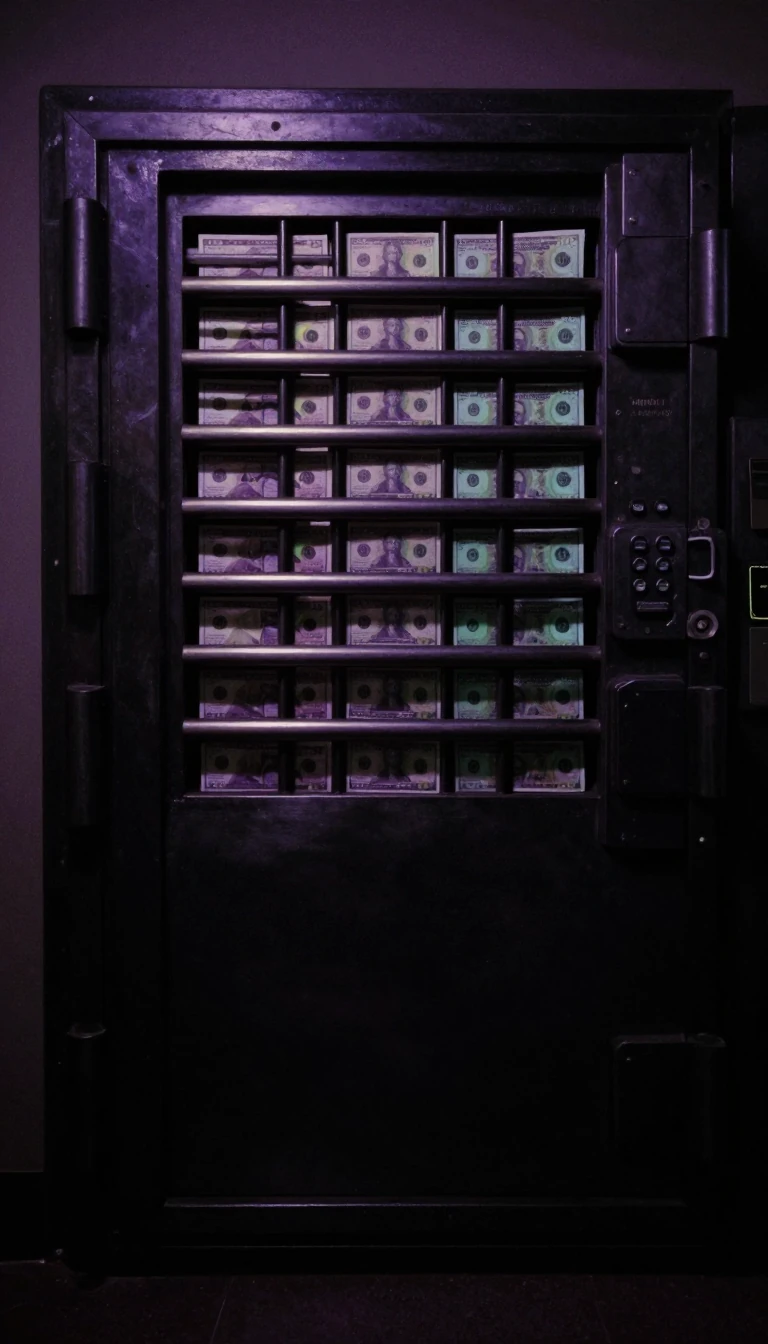
In short: We often view banks as simple middlemen moving money from savers to borrowers. In reality, they are creators. When a bank issues a loan, it generates new money out of thin air, balancing the ledger with a debt. This process drives our economic cycles and shapes the world around us.
The word credit stems from the Latin 'creditum,' meaning 'a thing entrusted to another.' While we associate it with modern plastic cards, the concept is a formalization of trust that allows reciprocity to extend beyond small, familiar groups. By the 1520s, the term had entered English, though its commercial roots trace back to the mid-15th century. Historically, this took the form of simple ledgers in 19th-century agrarian stores, where farmers settled debts only after harvest.
Modern banking operates on a different scale. As of December 2013, 97% of the money in the UK economy was created as credit. When a bank grants a loan, it does not merely move existing funds; it creates a new asset—the income stream from the borrower—and a corresponding liability. This money exists only as long as the debt remains. Once the borrower repays the principal, the credit and debt are canceled, and the money effectively vanishes from the economy.
This system is heavily skewed toward property. Because most created credit flows into land and housing, it acts as a primary engine for inflation in those markets, fueling the broader economic cycle. Banks manage the inherent risk of this creation through collateral—assets like houses or cars that can be seized if a debtor defaults. This creates a tiered system where access to credit is determined by credit scores, which track payment history and prior defaults to set interest rates.
The history of credit is also a history of exclusion. In the United States, systemic barriers persisted until the 1974 Equal Credit Opportunity Act, which addressed the difficulty women faced in obtaining credit without male co-signers. Similarly, discriminatory practices often prevented people of color from accessing credit for housing in white neighborhoods. Today, the global credit market remains vast, dwarfing the global equity market by a factor of three, with sophisticated instruments like credit default swaps used to trade the risk of default itself.
Opens the Intellect+ feed with this card first. Swipe up for the next one.
Sources
- Summary by Intellect · source: Credit
To cite this card, link to https://intellectplus.co.uk/app/wealth-credit.
How we source, check and correct cards: Editorial standards.
General information, not professional advice. Spotted an error? Flag the card or see corrections and complaints.
Intellect Plus is a visual educational discovery platform for exploring fascinating facts and ideas. Brain Food, Not Brain Rot. What is Intellect Plus?
Related
More in Business and economics · More in Wealth & Business · Latest · A–Z · All topics
