Why the future of high-value work might look like the medieval guild system
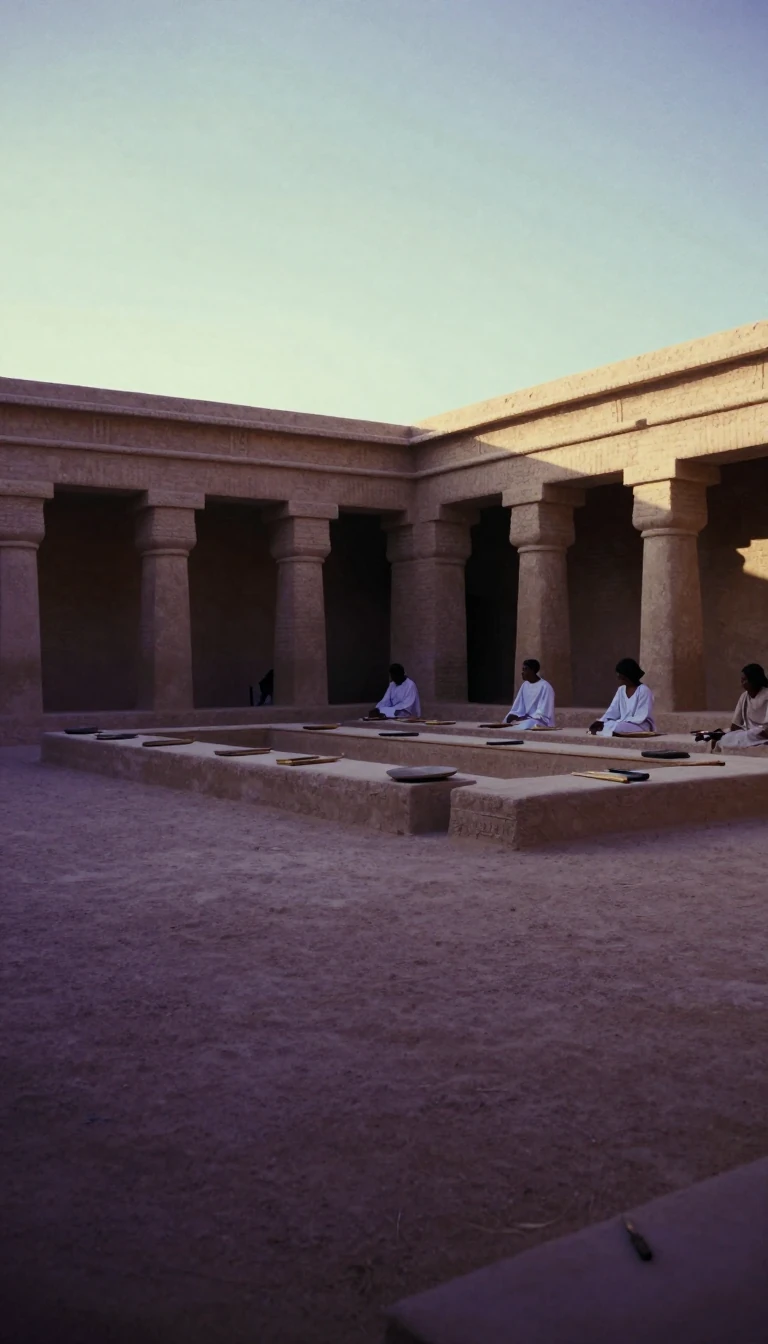
In short: Craft is not just a relic of the past; it is a sophisticated mode of production that persists alongside mass industry. By balancing specialized technique with modern division of labor, skilled artisans occupy a unique economic niche, proving that human expertise remains essential even in an age of automated manufacturing.
Historically, crafts defined the social hierarchy of urban centers. Practitioners formed guilds, requiring a rigorous apprenticeship that transitioned from learner to journeyman, and finally to master. Unlike the self-sufficient peasantry, these artisans relied on the exchange of goods, necessitating higher levels of education and specialized knowledge. This structure provided a pathway to status that separated skilled manual workers from the unskilled poor, a dynamic that persists today in markets where professional careers are prioritized, often creating lucrative niches for those with deep practical and theoretical mastery.
The Industrial Revolution fundamentally altered this landscape, forcing crafts into market segments where mass production fails to satisfy consumer preferences. Modern craftspeople have adapted by integrating semi-finished components into their work, effectively creating a new division of labor between large-scale industry and individual artistry. This evolution is evident in studio crafts—such as glassblowing, woodturning, and pottery—and even in high-tech fields. For instance, the core memory for the 1968 Apollo 8 mission was literally woven by hand, demonstrating that the intersection of traditional technique and modern technology remains a vital, functional necessity.
Academic interest in craft has shifted from the final product to the process itself. Scholars like anthropologist Stephanie Bunn argue that the transformation of materials into objects is a critical area of study. Philosophers and cognitive scientists continue to debate the nature of this skill, exploring how experts perceive tools as extensions of themselves or how they visually parse movements during observational learning. Whether viewed as a form of human creativity distinct from art and science, or as a collaborative process between the maker and their materials, craft remains a complex, evolving discipline that continues to challenge our understanding of value and production.
Opens the Intellect+ feed with this card first. Swipe up for the next one.
Sources
- Summary by Intellect · source: Craft
To cite this card, link to https://intellectplus.co.uk/app/wealth-craft.
How we source, check and correct cards: Editorial standards.
General information, not professional advice. Spotted an error? Flag the card or see corrections and complaints.
Intellect Plus is a visual educational discovery platform for exploring fascinating facts and ideas. Brain Food, Not Brain Rot. What is Intellect Plus?
Related
More in Business and economics · More in Wealth & Business · Latest · A–Z · All topics
