From Pharaonic Grain Rations to Global Trade Hub: The Evolution of Egypt's Economy
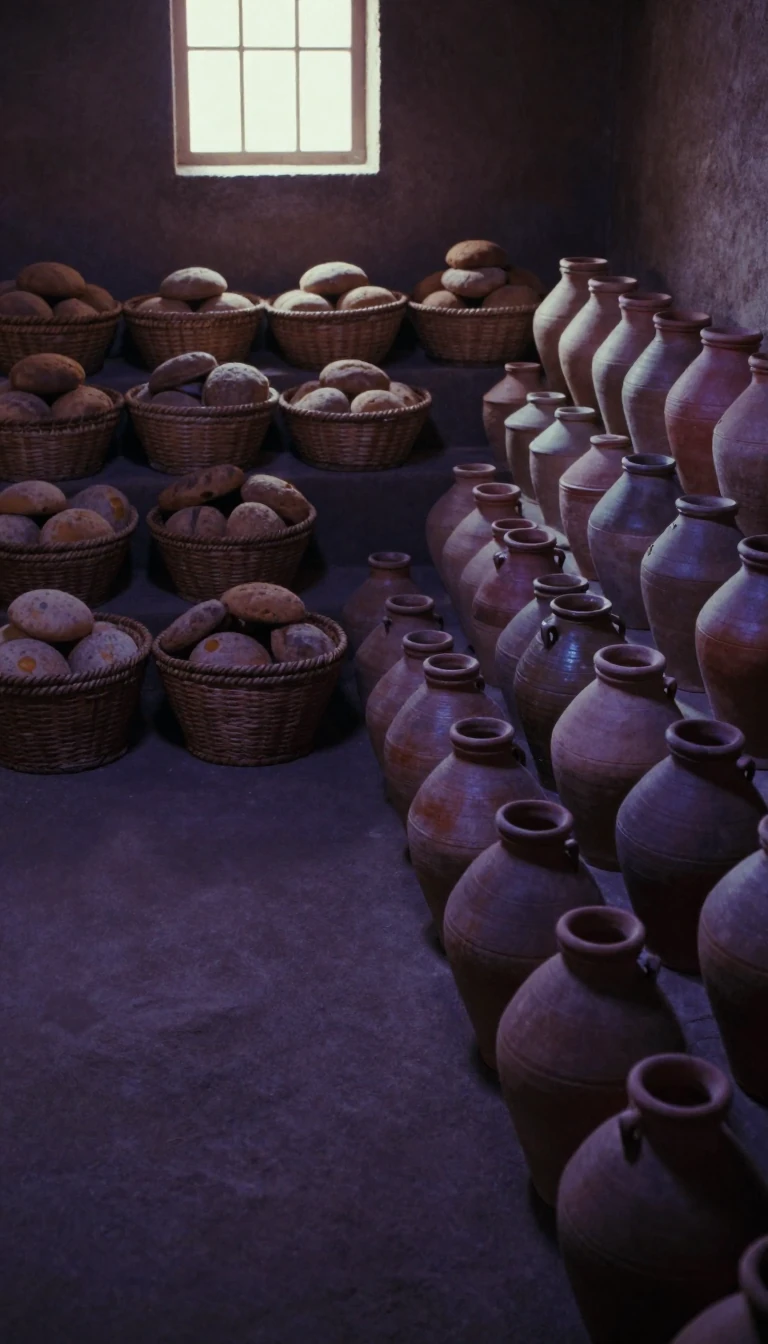
In short: Egypt’s economic history spans millennia, shifting from ancient state-managed grain redistribution to a modern, market-oriented powerhouse. Today, the nation leverages its strategic position as a global maritime corridor and a major emerging market, navigating complex structural reforms to balance growth with the needs of its vast population.
Ancient Egypt operated under a centralized model where the pharaoh held theoretical authority over all resources. Instead of coinage, the economy relied on a barter system using standardized measures of copper and grain to facilitate trade and pay wages. Agriculture, fueled by the Nile's annual flooding, served as the bedrock of this system, with the state collecting taxes through a network of temples and granaries. This state-controlled approach extended to mining expeditions for gold and copper, while temple workshops produced essential goods like textiles and beer.
The 19th and 20th centuries marked a transition toward industrialization and national autonomy. Muhammad Ali’s state-led initiatives in the 1830s introduced cotton mills and wage labor, though they struggled against foreign competition and fuel shortages. By 1920, financier Talaat Harb founded Banque Misr, the first bank funded entirely by Egyptian capital, which catalyzed a vertically integrated national economy. This era saw the birth of major enterprises like EgyptAir and Studio Misr, helping the country assert its economic identity during the colonial period.
In the modern era, Egypt has pursued ambitious structural reforms to stabilize its economy. Following a 2023–2024 financial crisis, a 2024 currency floatation led to a 38% depreciation of the Egyptian pound, supported by over $50 billion in international financing. Today, the country remains a vital player in global trade, with the Suez Canal handling roughly 30% of worldwide container traffic. Despite these strengths, the nation continues to address structural challenges, aiming to translate macroeconomic growth into improved living standards for all citizens through the Egypt Vision 2030 strategy.
Opens the Intellect+ feed with this card first. Swipe up for the next one.
Sources
- Summary by Intellect · source: Economy of Egypt
- Also: www.oecd.org — Egypt Economic Snapshot
To cite this card, link to https://intellectplus.co.uk/app/wealth-economy-of-egypt.
How we source, check and correct cards: Editorial standards.
General information, not professional advice. Spotted an error? Flag the card or see corrections and complaints.
Intellect Plus is a visual educational discovery platform for exploring fascinating facts and ideas. Brain Food, Not Brain Rot. What is Intellect Plus?
Related
More in Business and economics · More in Wealth & Business · Latest · A–Z · All topics
