How a remote island nation transformed from an offshore farm into a modern economy.
In short: New Zealand once enjoyed one of the world's highest standards of living by acting as a distant farm for the United Kingdom. When that preferential trade vanished, the nation was forced to pivot, dismantling state intervention and diversifying into a globalized, multi-sector economy that now balances tradition with innovation.
For decades, New Zealand functioned effectively as an offshore European farm. Its prosperity was built on a narrow base of pastoral exports—specifically wool, butter, and frozen meat—shipped primarily to the United Kingdom. This model relied on a temperate climate, imported fertilizers, and a high ratio of capital to labor. By the late 19th and early 20th centuries, this agricultural focus secured the country a world-leading standard of living. However, this success created a deep economic dependence on British markets, leaving the nation vulnerable to shifts in European trade policy.
The mid-20th century brought a period of stagnation as the United Kingdom’s slow growth and eventual entry into the European Community disrupted New Zealand’s primary export channels. Compounding these challenges were high tariffs imposed by industrial nations on agricultural goods. In response, the government began a dramatic shift in the 1980s. Administrations moved away from heavy interventionism, abolishing subsidies for exporters and commercializing state-owned enterprises like the Post Office. These reforms aimed to increase labor market flexibility and encourage a more competitive, diversified industrial base.
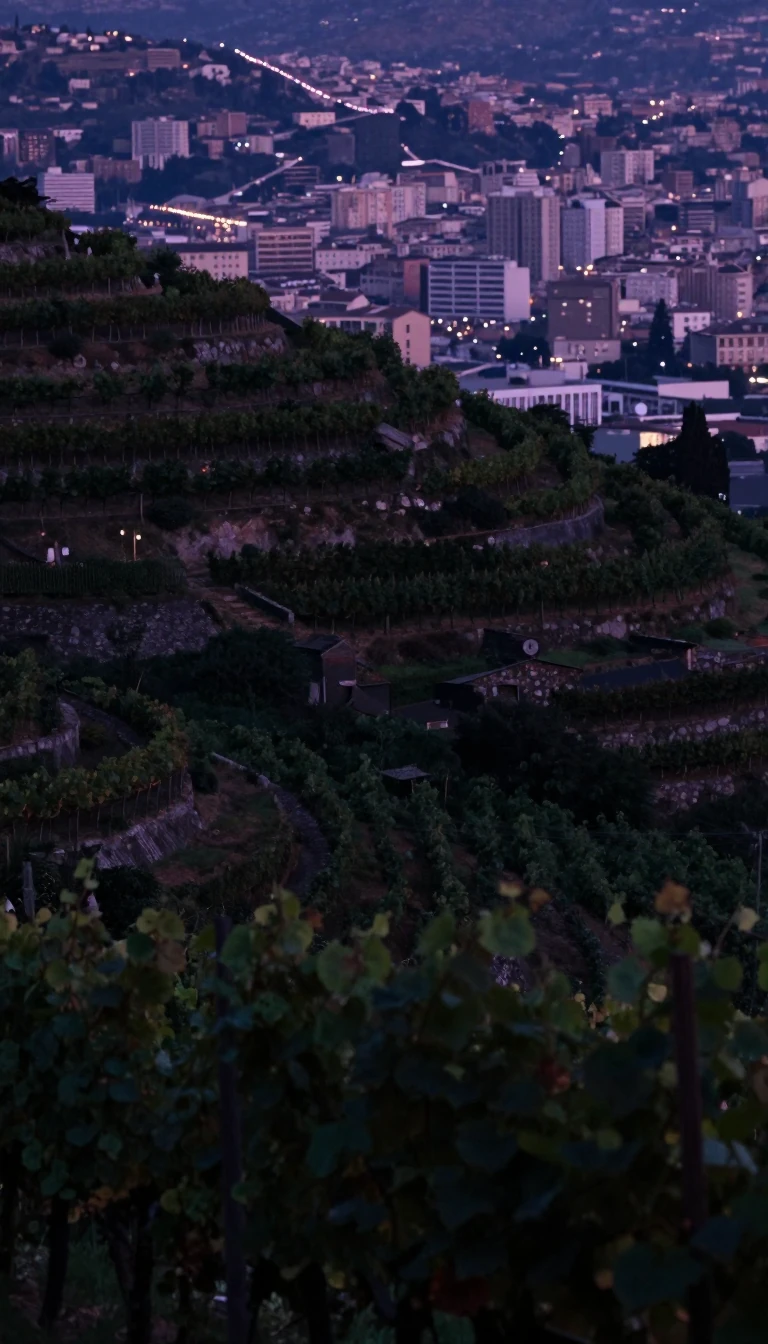
Today, New Zealand has successfully moved beyond its reliance on traditional pastoral farming. While dairying remains significant, the economy now incorporates forestry, viticulture, horticulture, and high-value manufacturing. The energy sector has also evolved, moving from a reliance on fossil fuels toward a grid dominated by renewable sources like hydroelectric, geothermal, and wind power. By fostering free-trade agreements and expanding into new markets across the Asia-Pacific region, New Zealand has transitioned from a protected, state-managed system into a more resilient, globalized participant in the modern marketplace.
Opens the Intellect+ feed with this card first. Swipe up for the next one.
Sources
- Summary by Intellect · source: New Zealand - Economy, Trade, Agriculture | Britannica
- Also: Economy of New Zealand
To cite this card, link to https://intellectplus.co.uk/app/wealth-economy-of-new-zealand.
How we source, check and correct cards: Editorial standards.
General information, not professional advice. Spotted an error? Flag the card or see corrections and complaints.
Intellect Plus is a visual educational discovery platform for exploring fascinating facts and ideas. Brain Food, Not Brain Rot. What is Intellect Plus?
Related
More in Business and economics · More in Wealth & Business · Latest · A–Z · All topics
