Why central banks hoard mountains of foreign cash despite the risks of losing money
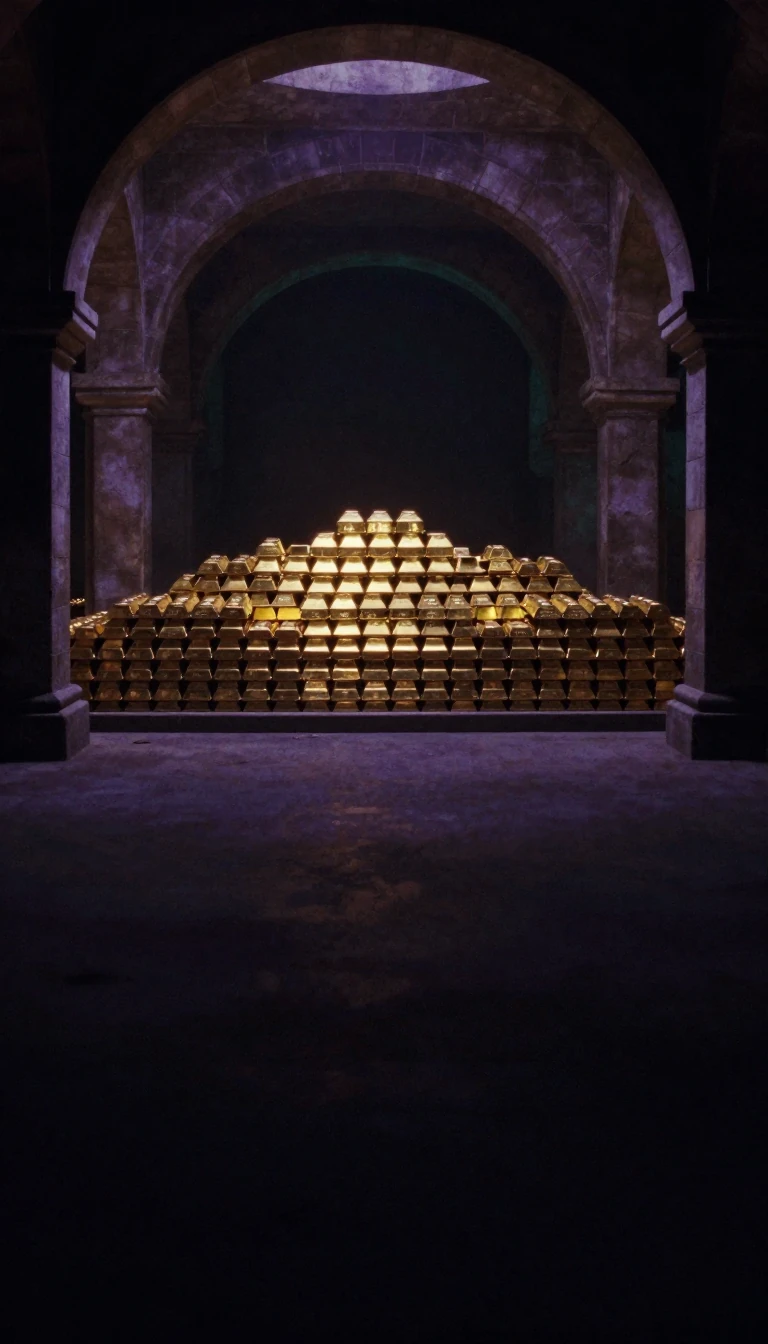
In short: Foreign exchange reserves are more than just a rainy-day fund. While they help stabilize currencies and buffer against financial shocks, they also function as a complex tool for national growth and geopolitical influence. Yet, holding these massive stockpiles often comes with significant costs and hidden economic trade-offs for nations.
Central banks maintain foreign exchange reserves—assets like foreign banknotes, government securities, and gold—to manage their national monetary objectives. These reserves allow authorities to influence exchange rates, provide market confidence, and ensure the country can meet its external debt obligations during emergencies. By holding liquid assets, nations aim to smooth out volatility in the balance of payments and protect themselves against speculative attacks or sudden capital outflows.
The accumulation of these reserves has surged globally since the 1970s, defying early theories that flexible exchange rates would render them unnecessary. This trend is driven by several factors, including the need to signal financial stability to credit agencies and the desire to avoid the vulnerability seen in past crises, such as the 1997 Asian financial crisis. Some economists argue that reserve accumulation acts as a form of 'forced savings' or a neo-mercantilist strategy, where governments suppress real exchange rate appreciation to boost the competitiveness of their tradable sectors.
However, maintaining large reserves is costly. Central banks often face 'quasi-fiscal costs' when the interest earned on reserve assets fails to keep pace with inflation, effectively eroding their purchasing power. Furthermore, the massive capital tied up in foreign debt, particularly in US Treasuries, can crowd out domestic investment and contribute to broader economic slowdowns. While these reserves serve as vital insurance against crises—which could otherwise cost a country 10% of its GDP—the management of these assets remains a delicate balancing act between national security and economic efficiency.
Opens the Intellect+ feed with this card first. Swipe up for the next one.
Sources
- Summary by Intellect · source: Foreign exchange reserves
To cite this card, link to https://intellectplus.co.uk/app/wealth-foreign-exchange-reserves.
How we source, check and correct cards: Editorial standards.
General information, not professional advice. Spotted an error? Flag the card or see corrections and complaints.
Intellect Plus is a visual educational discovery platform for exploring fascinating facts and ideas. Brain Food, Not Brain Rot. What is Intellect Plus?
Related
More in Business and economics · More in Wealth & Business · Latest · A–Z · All topics
