Why the world’s most powerful currency is a fragile, shifting geopolitical crown
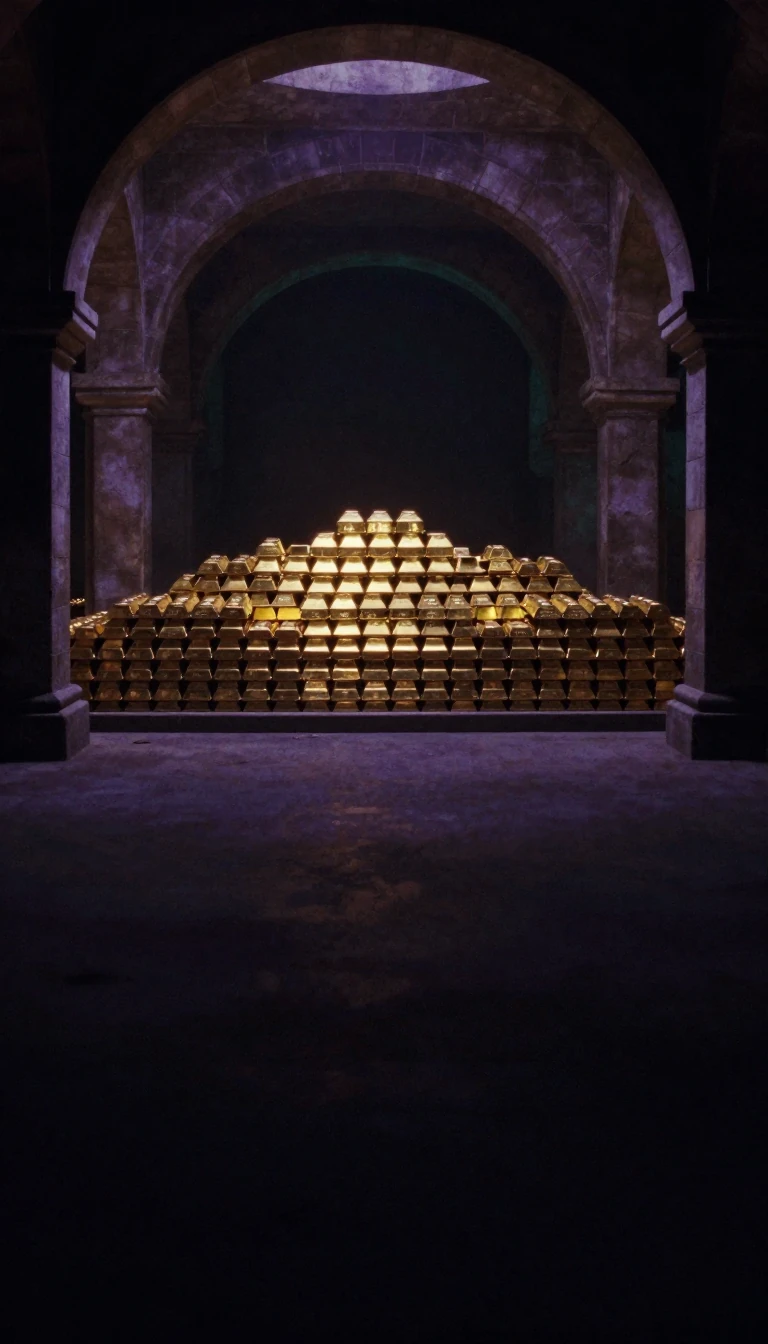
In short: A reserve currency is the bedrock of the global economy, allowing nations to settle international debts and trade with ease. Yet, history shows these dominant positions are never permanent. From the Spanish silver dollar to the British pound, the world’s financial anchor has always evolved alongside the shifting tides of global power.
A reserve currency is a foreign asset held by central banks and governments to facilitate international trade and investments. Because global markets require these currencies to pay for goods, the issuing nation gains significant advantages, including the ability to borrow at lower interest rates and purchase imports at comparatively favorable prices. However, this status also creates the Triffin dilemma, where the issuing country’s domestic economic objectives may conflict with the global need for international liquidity.
Historically, reserve status has tracked geopolitical hegemony. The Spanish silver dollar dominated from the 16th to the 19th centuries, fueled by American mine output. By the late 19th century, the British pound sterling became the standard, supported by the United Kingdom’s role as the primary exporter of manufactured goods and the center of global insurance and commodity markets. Following the devastation of two world wars, the United States dollar emerged as the anchor of the Bretton Woods system in 1944, eventually becoming a fully fiat currency after 1971.
While the U.S. dollar currently remains the dominant reserve currency—accounting for 58.36% of allocated reserves as of late 2022—its position is subject to ongoing debate. Economists like Barry Eichengreen argue that network effects, which once made it difficult to challenge a dominant currency, are less potent in the market for official reserves. As central banks diversify into nontraditional assets like the Australian and Canadian dollars, or the Chinese renminbi, the global financial system may be moving toward a more fragmented future, echoing the multi-currency landscape seen in the early 20th century.
Opens the Intellect+ feed with this card first. Swipe up for the next one.
Sources
- Summary by Intellect · source: Reserve currency
To cite this card, link to https://intellectplus.co.uk/app/wealth-reserve-currency.
How we source, check and correct cards: Editorial standards.
General information, not professional advice. Spotted an error? Flag the card or see corrections and complaints.
Intellect Plus is a visual educational discovery platform for exploring fascinating facts and ideas. Brain Food, Not Brain Rot. What is Intellect Plus?
Related
More in Business and economics · More in Wealth & Business · Latest · A–Z · All topics
