How a Philadelphia bakery created a national empire through elfin magic and strategic mergers
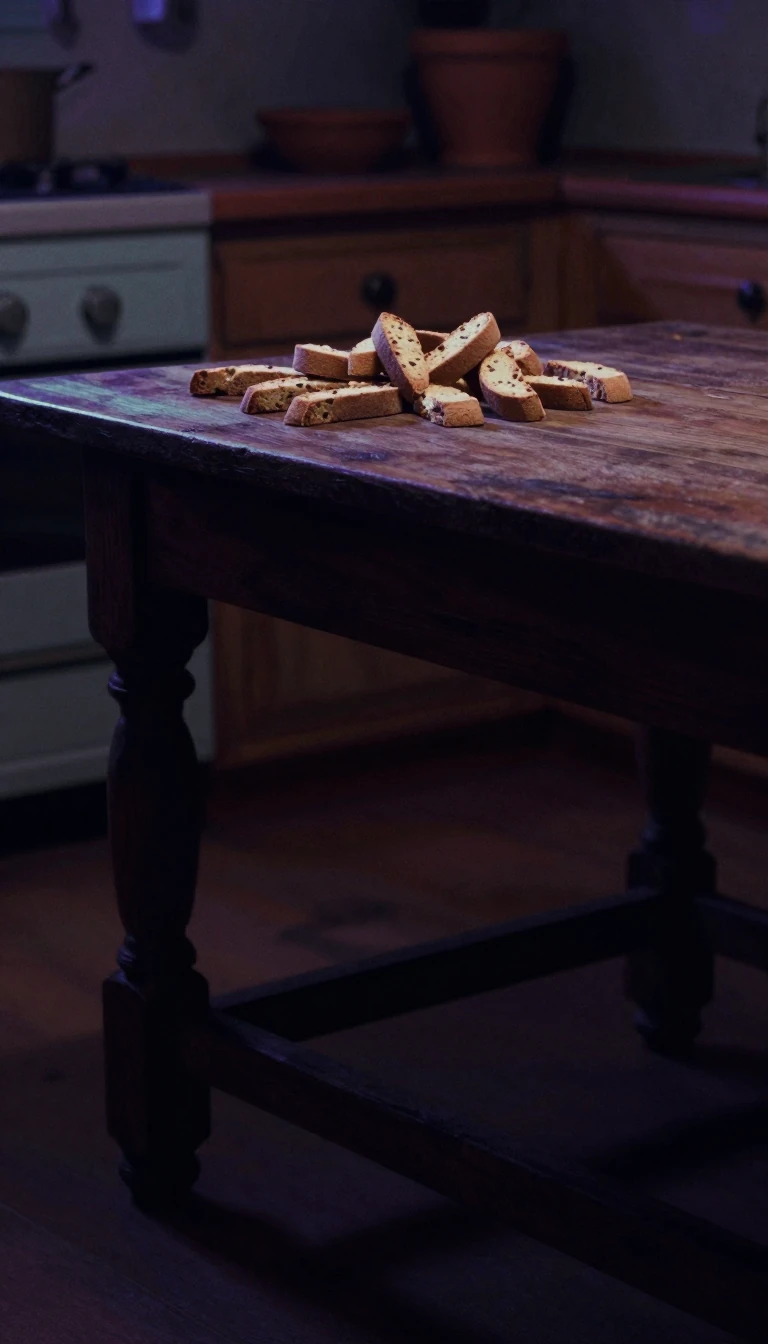
In short: Before they were the faces of a snack empire, the Keebler Elves were a marketing masterstroke designed to unify a fragmented collection of regional bakeries. From a small 1853 Philadelphia shop to a billion-dollar acquisition by Ferrero, the company’s history is a masterclass in corporate consolidation and brand identity.
The Keebler Company began in 1853 when Godfrey Keebler opened his bakery in Philadelphia. Over the following decades, his business networked with various local bakeries across the United States. This loose coalition eventually formalized in 1927 as the United Biscuit Company of America. For years, the company operated through regional entities like the Hekman Biscuit Company in Michigan and the Strietmann Biscuit Company in Ohio, maintaining local brand identities while slowly moving toward a unified national presence.
The shift to a singular national brand occurred in 1966, when United Biscuit adopted the Keebler name for its entire portfolio. To cement this new identity, the company turned to the Leo Burnett advertising agency in 1968. The agency created the iconic 'Hollow Tree Factory' and a cast of animated elves, led by Ernie Keebler, who debuted as head elf in 1970. These characters became central to the company's marketing, transforming the perception of mass-produced snacks into something crafted with 'elfin magic.'
Corporate ownership of the brand has been highly fluid. In 1974, the British firm United Biscuits acquired the company, followed by a sale to a partnership between Flowers Industries and Artal Luxembourg in 1995. After an IPO in 1998, the Kellogg Company purchased Keebler in 2001. By 2019, the brand was split: Ferrero SpA bought the cookie line for $1.3 billion, while Kellogg retained the cracker business. This transition marked the end of a long era where the Keebler name served as a single umbrella for both cookies and crackers.
Beyond its branding, Keebler holds a significant place in American food history. It was the first commercial entity to bake Girl Scout Cookies, starting in 1936. The company also demonstrated a knack for naming and acquisition, such as the 1926 contest that produced the 'Zesta' saltine brand and the 1996 purchase of Sunshine Biscuits. These strategic moves allowed Keebler to maintain its market relevance through decades of shifting ownership and changing consumer tastes.
Opens the Intellect+ feed with this card first. Swipe up for the next one.
Sources
- Summary by Intellect · source: Keebler Company
To cite this card, link to https://intellectplus.co.uk/app/wealth-keebler-company.
How we source, check and correct cards: Editorial standards.
General information, not professional advice. Spotted an error? Flag the card or see corrections and complaints.
Intellect Plus is a visual educational discovery platform for exploring fascinating facts and ideas. Brain Food, Not Brain Rot. What is Intellect Plus?
Related
More in Brands & companies · More in Wealth & Business · Latest · A–Z · All topics
