The Toyota C-HR: A Global Design Experiment That Redefined the Subcompact Crossover
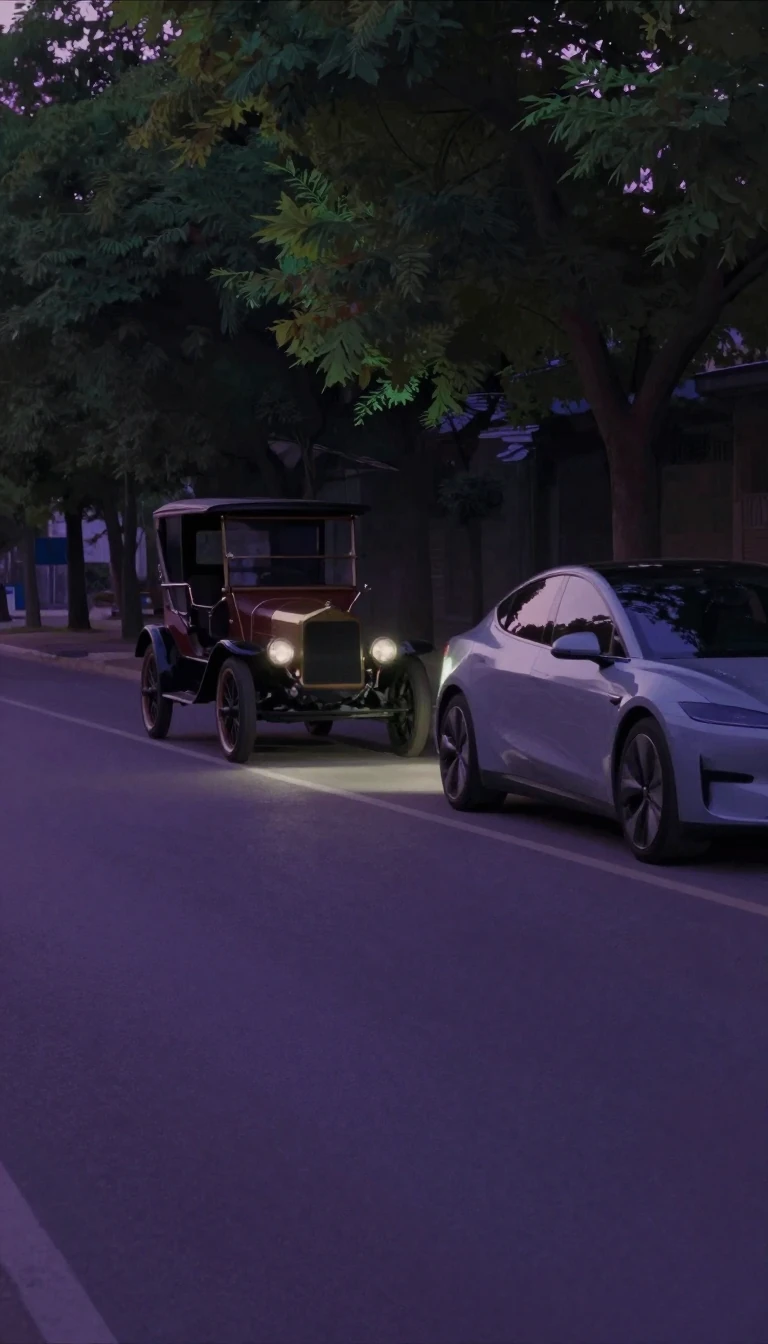
In short: Born from a concept car and developed under chief engineer Hiroyuki Koba, the Toyota C-HR challenged traditional SUV aesthetics. Since its 2016 debut, it has evolved from a diverse global offering into a specialized, hybrid-only European and Australian staple, showcasing how automakers adapt complex vehicle lineups to shifting regional demands.
Development of the C-HR began in 2013, utilizing the TNGA-C platform shared with the E210 series Corolla. When it launched in late 2016, the vehicle was a truly global product, manufactured in Japan and Turkey and sold across North America, China, and Southeast Asia. Its name, C-HR, has been interpreted in various ways, including Compact High Rider or Coupe High Rider, reflecting its distinct, hatchback-inspired styling that stood apart from traditional boxy crossovers.
As the model matured, Toyota shifted its strategy. By 2020, the Corolla Cross began replacing the C-HR in many markets outside of Europe, such as North America and Southeast Asia. The second generation, revealed in 2023, represents a significant pivot: production is now centralized in Turkey, and the vehicle is exclusively hybrid, featuring a new design language with C-shaped headlights reminiscent of the Prius XW60. This iteration introduced advanced technology like remote parking and a hands-free driving system for traffic jams.
The C-HR’s regional diversity remains a hallmark of its history. In China, it was sold alongside a twin model called the IZOA, and the market even saw an electric vehicle variant as early as 2020. Meanwhile, European and Australian models have featured a wide array of trim levels and engine configurations, ranging from 1.2-litre turbo petrol engines to 2.0-litre hybrids and plug-in hybrids. The latest GR Sport variants push the performance envelope with 20-inch wheels and sophisticated E-four all-wheel-drive systems.
The vehicle's technical evolution is perhaps best exemplified by its suspension and powertrain upgrades. The second generation employs Frequency Sensitive Control, a hydro-mechanical system that adjusts damping force to improve cornering and ride comfort. With the upcoming 2025 release of the battery-electric C-HR+, Toyota continues to iterate on the platform, proving that even a niche-focused crossover can serve as a canvas for the company's broader technological and design ambitions.
Opens the Intellect+ feed with this card first. Swipe up for the next one.
Sources
- Summary by Intellect · source: Toyota C-HR
To cite this card, link to https://intellectplus.co.uk/app/wealth-toyota-c-hr.
How we source, check and correct cards: Editorial standards.
General information, not professional advice. Spotted an error? Flag the card or see corrections and complaints.
Intellect Plus is a visual educational discovery platform for exploring fascinating facts and ideas. Brain Food, Not Brain Rot. What is Intellect Plus?
Related
More in Business stories · More in Wealth & Business · Latest · A–Z · All topics
