The modern watchmaker is caught between ancient artisan roots and rigid corporate control
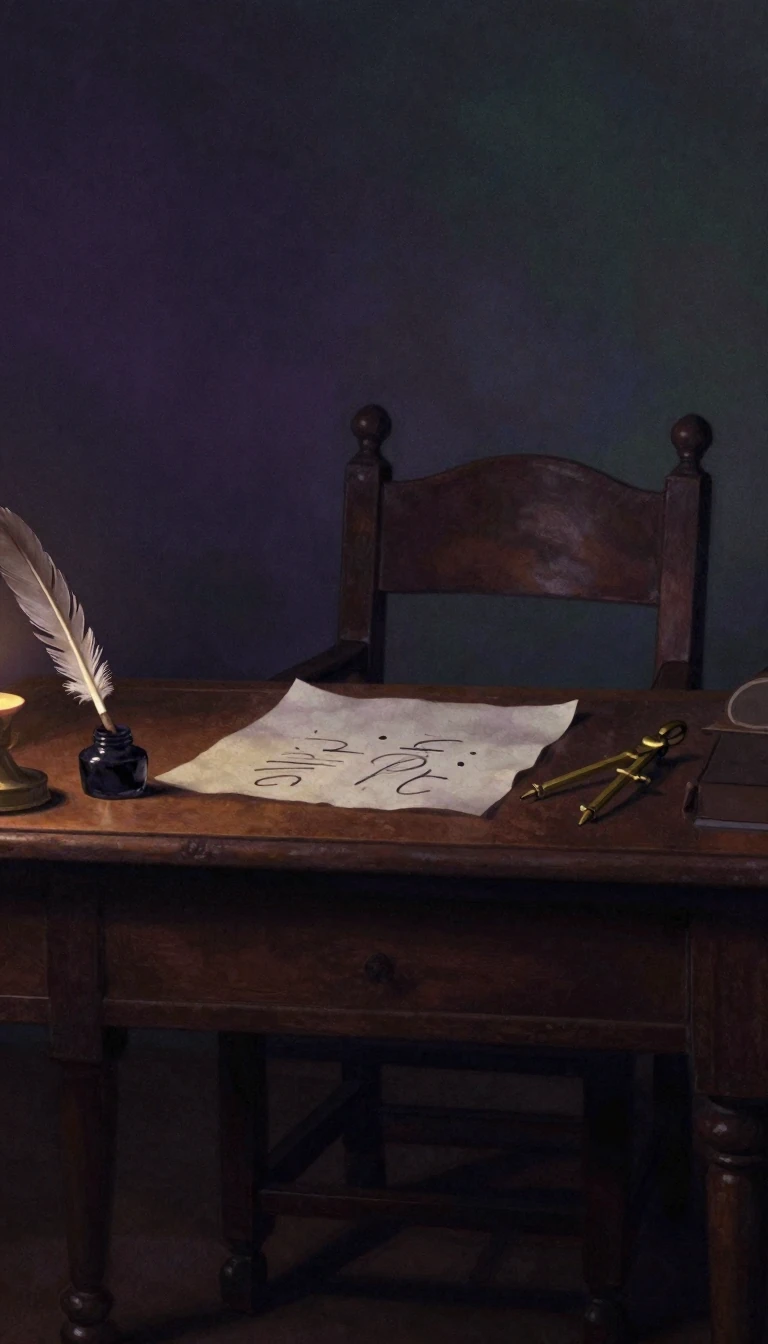
In short: Once master craftsmen who built timepieces from scratch, today's watchmakers face a shrinking landscape. As Swiss brands tighten their grip on spare parts to protect margins and quality, independent experts are being pushed out, forcing a shift from creative fabrication to standardized, factory-led service models and assembly-line repair.
Historically, the watchmaker was a master artisan, capable of hand-crafting every component of a timepiece. In England, this mastery required a seven-year apprenticeship and guild membership. Today, the profession is bifurcated. While formal education remains rigorous—such as the four-year apprenticeship in Denmark or the multi-tiered diploma system in France—the day-to-day reality for most professionals has changed significantly. Many now work directly for the industry, servicing recent production models using factory-supplied spare parts rather than fabricating them by hand.
This shift is largely driven by the strategic policies of major Swiss watch brands. By restricting access to genuine spare parts, manufacturers maintain strict control over after-sales service. This approach allows brands to ensure quality while capturing higher profit margins, which can be two to four times greater than those of an independent repairer. While brands like Rolex and Omega may pre-qualify independent watchmakers who meet specific cleanliness and training standards, the vast majority of Swiss manufacturers refuse to sell parts to anyone outside their own network, regardless of the technician's credentials.
Consequently, a new class of 'opérateurs' has emerged within factory service centers. These technicians are trained in-house to perform singular, assembly-line tasks—such as polishing cases or installing hands—without the broader expertise of a traditional watchmaker. Meanwhile, independent watchmakers in the United States are increasingly operating in a precarious minority, often forced to rely on their own fabrication skills to repair older watches for which factory parts are unavailable. This tension between the artisan's legacy and the industry's drive for standardization defines the modern horological landscape, where the ability to maintain a watch is as much a matter of corporate policy as it is of technical skill.
Opens the Intellect+ feed with this card first. Swipe up for the next one.
Sources
- Summary by Intellect · source: Watchmaker
To cite this card, link to https://intellectplus.co.uk/app/wealth-watchmaker.
How we source, check and correct cards: Editorial standards.
General information, not professional advice. Spotted an error? Flag the card or see corrections and complaints.
Intellect Plus is a visual educational discovery platform for exploring fascinating facts and ideas. Brain Food, Not Brain Rot. What is Intellect Plus?
Related
More in Business and economics · More in Wealth & Business · Latest · A–Z · All topics
