 Intellect Plus
Ancient
561 cards. Each one is a 40-second story with a five-minute read behind it. Page 10 of 10.
 Cyrus built the largest empire the world had yet seenFrom a corner of the Iranian plateau, Persian nomads forged a state that at its height covered roughly 5.5 million square kilometres—from the Balkans to the Indus. It fell to Alex…
 The first empire's capital still has no known addressAround 2300 BCE Sargon of Akkad welded Sumerian and Semitic city-states into one kingdom—often called history's first empire. Over eight thousand tablets document its later kings.…
 Alan horsemen carried an Iranian name into medieval EuropeTheir ethnonym is a dialect form of Old Iranian Aryan—the same root behind Iran. From the Pontic steppe they rode into Gaul, Spain, and North Africa, taught Romans the feigned ret…
 Amorite outsiders founded Babylon and ruled an Egyptian dynastyFirst named in Sumerian records around 2500 BC, these Northwest Semitic speakers were mocked as tent-dwellers who ate forbidden food. Within centuries their chiefs ruled Isin, Mar…
 Cliff cities rose where winter snow was the water planAcross the Four Corners, Ancestral Pueblo communities turned pit houses into cliff pueblos reachable only by rope or climb. They tracked the sky in stone, painted black-on-white p…
 Rome wrote Carthage's history after burning its librariesFounded by Tyrian merchants around 814 BC, Carthage grew into the west Mediterranean's richest naval power. Almost no Punic books survived the Third Punic War, so the city that ri…
- Israel's first mention is an Egyptian victory boastAround 1208 BCE the Merneptah Stele names Israel among peoples Pharaoh claimed to crush. Archaeology now sees early Israelites rising mainly from Canaan's own hill country after B…
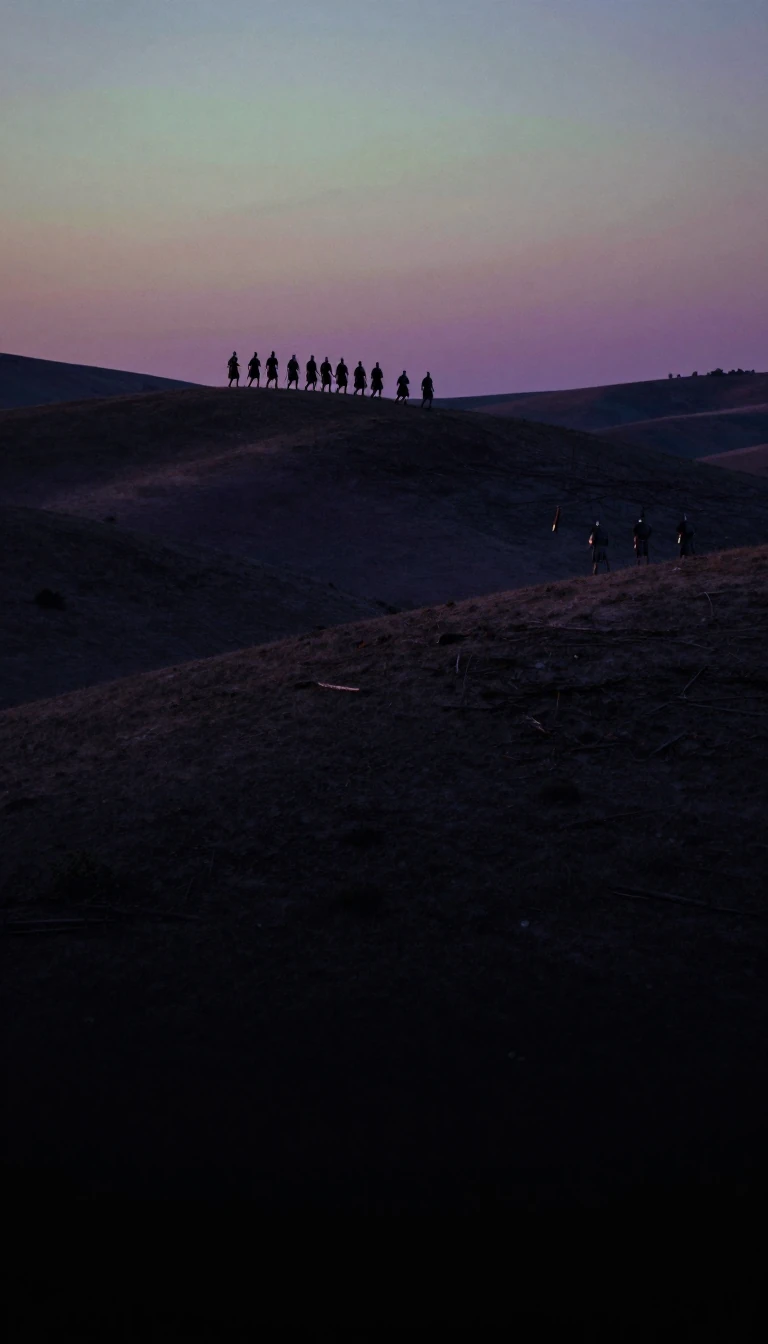 Rome began as a riverside town that rewrote the MediterraneanTradition dates the city's founding to 753 BC beside the Tiber. From kingdom to republic to empire, Rome absorbed Greek southern Italy, beat Carthage, then governed a world whose …
 Andean states built empires without wheels, writing, or moneyAlong 4,000 kilometres of Andes and desert coast, societies domesticated potatoes and built roads while recording accounts on knotted quipus. Scholars call them a pristine civiliz…
- Assyria invented the template for a military superpowerFrom a trading city on the Tigris, Assyria grew into what many call history's first true military superpower—pioneering libraries, provincial rule, and war machines later empires …
- A Persian satrap's name became Iranian AzerbaijanAfter Alexander shattered the Achaemenids, the Median commander Atropates carved out a northern kingdom around 323 BC. The Old Persian form Ātṛpātakāna stands behind the later nam…
- Babylon began as an Amorite city-state in 1894 BCLong after Sumer and Akkad, an Amorite dynasty planted itself at Babylon around 1894 BC. Officials still wrote Akkadian, priests kept Sumerian sacred, and under Hammurabi the town…
 Beautiful Bactria sat where empires kept collidingSouth of the Oxus and north of the Hindu Kush, Bactria was praised in the Avesta as a perfect Iranian land. Alexander's heirs, Greco-Bactrian kings, Kushans, and Sasanians all fou…
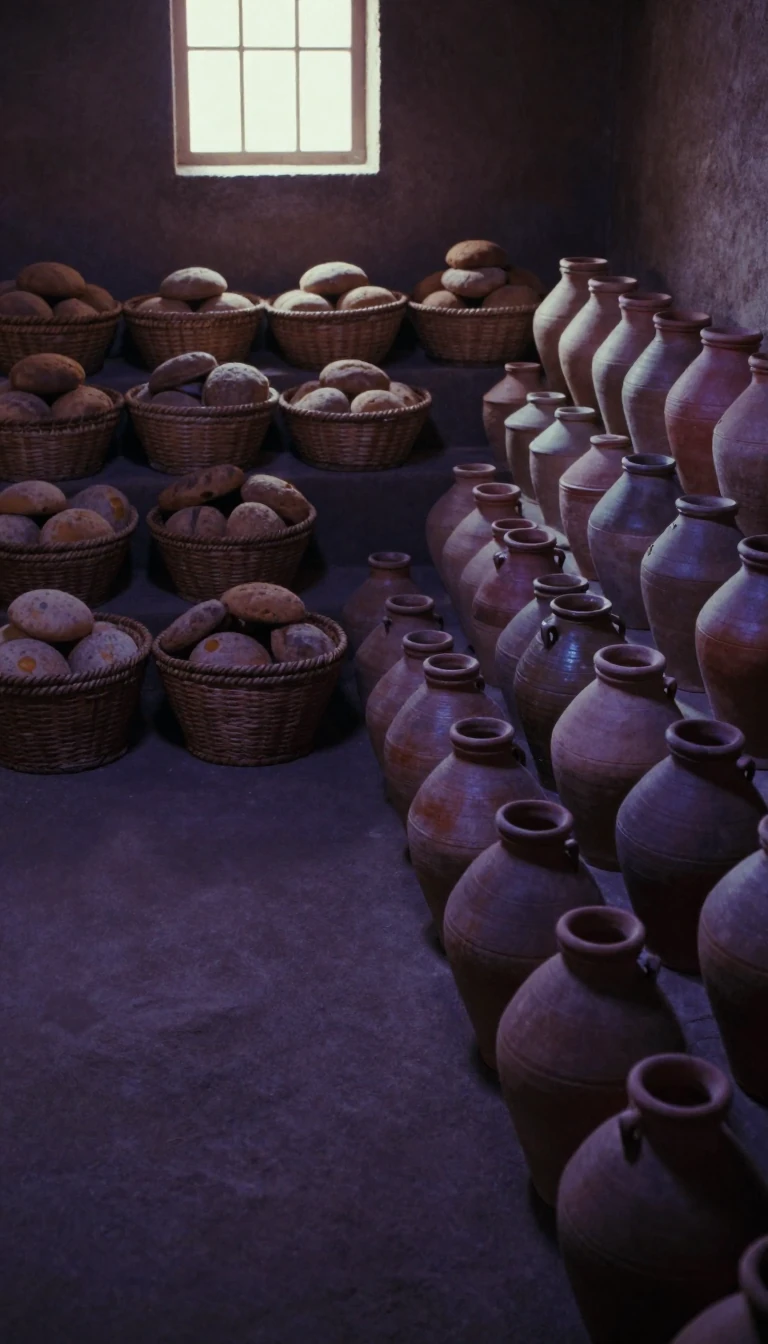 One language family remapped half of AfricaBetween about 4000 BC and 500 AD, Proto-Bantu speakers left the Cameroon–Nigeria highlands and spread across Central, Eastern, and Southern Africa. Related languages still carpet …
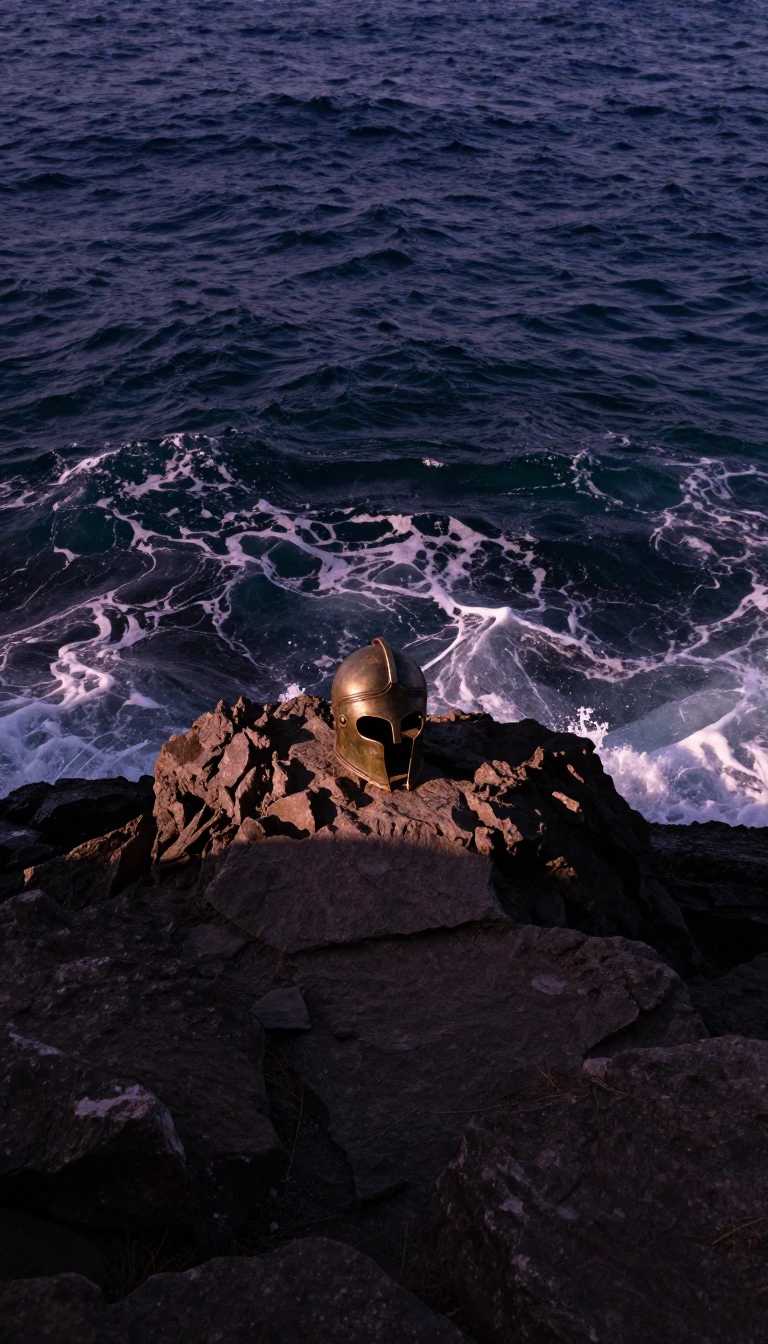 Athens beat Persia at Marathon without Sparta's helpIn 490 BC Athenian and Plataean hoplites smashed a Persian landing force under Datis and Artaphernes. The victory proved the empire could be stopped—and that Greece's second city …
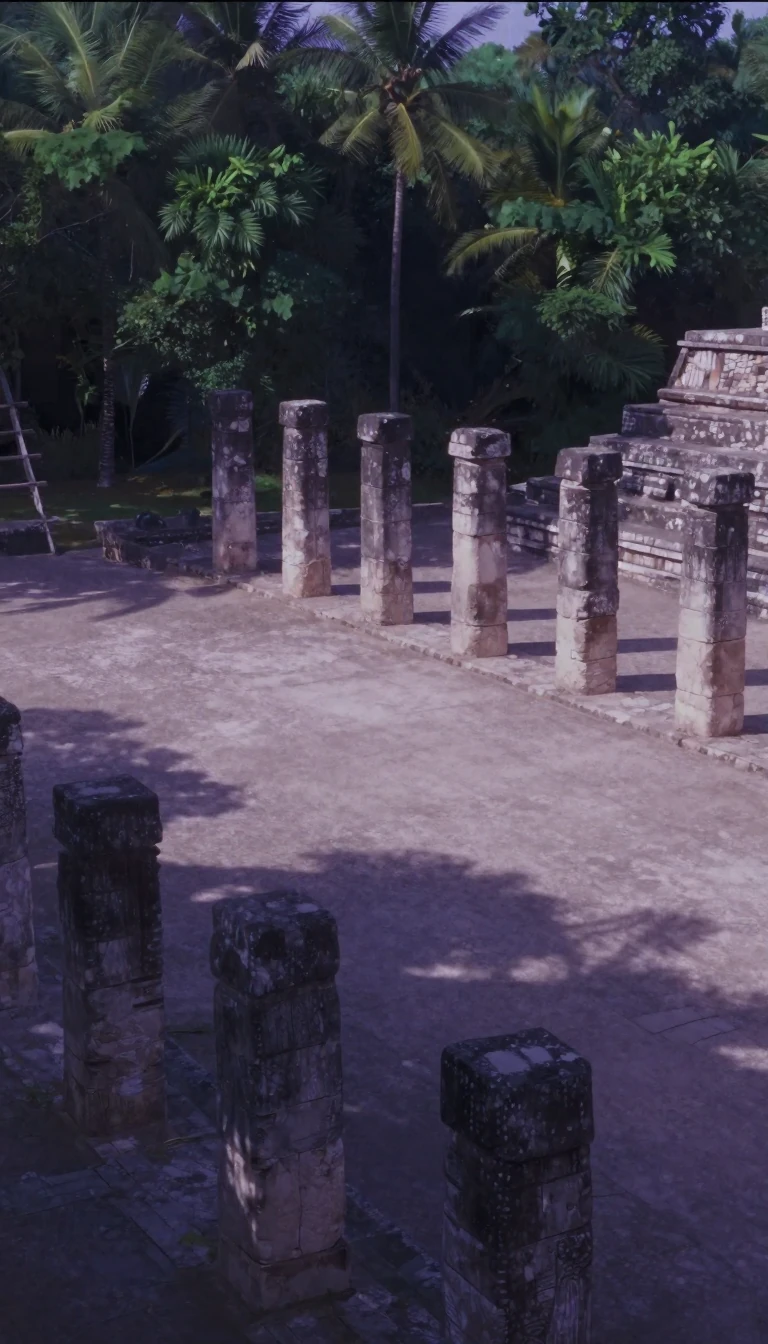 America's first cities rose without pottery or artOn Peru's desert coast, Caral–Supe built monumental platform mounds between the fourth and second millennia BCE—contemporary with Egyptian pyramids, a millennium after Sumer, and …
 Caucasian Albania is not the Balkan countryAncient authors used Albania for a Caucasian kingdom mostly in today's Azerbaijan. The prefix Caucasian exists only to stop modern readers confusing it with Adriatic Albania—a nam…
 Celtic named a language family, not one ancient nationGreek writers first recorded Keltoi near Marseille in 517 BC. Today Celtic usually means Ireland, Scotland, Wales, Cornwall, Mann, and Brittany—where related tongues survive—while…
- Chaldea was a marsh tribe, not all of BabyloniaBetween the eleventh and ninth centuries BC, West Semitic Kaldu settled the southeastern marshes of Babylonia. Hebrew and Greek writers later stretched Chaldea across the whole so…
- Chavín engineers drained a temple to survive highland rainsAround 900 to 250 BCE, Peru's Chavín culture spread highland cult styles to the coast. At UNESCO-listed Chavín de Huántar, builders hid canals under the temple floor so Andean dow…
 Chola fleets turned a river valley into a Bay empireTamil Cholas appear in Ashoka third-century BCE inscriptions, yet their imperial surge came under Vijayalaya from 848 CE. Rajaraja I and Rajendra I made the Kaveri heartland a Bay…