 Intellect Plus
Ancient
561 cards. Each one is a 40-second story with a five-minute read behind it. Page 9 of 10.
 Sarmatian meant armed with darts, like Scythian archersIranian horse nomads ruled the Pontic steppe from about the fifth century BC to the fourth century AD. Their name, akin to Sanskrit śárumant, meant armed with throwing weapons—sem…
- Arsaces built an empire that outlasted CrassusFrom 247 BC to 224 AD, the Arsacid Parthians ruled a vast Iranian realm that mixed Persian, Greek, and local habits. Mithridates I pushed west until Rome noticed. At Carrhae they …
 Athens grew; Sparta panicked; Greece bled for decadesFrom 431 to 404 BC the Delian League under Athens fought Sparta's Peloponnesian League for Greek primacy. Persian money after 413 BC tipped the scales. Lysander's fleet won at Aeg…
 Clovis First cracked; older footprints keep appearingPaleo-Indian hunters likely entered North America from Asian steppe via Beringia when Ice Age seas fell between 26,000 and 19,000 years ago. For decades Clovis points defined the …
 Canaanite sailors gave the Mediterranean its alphabetPhoenicians were Semitic-speaking city-dwellers along today's Lebanese coast, heirs of Bronze Age Canaan who rode out the Late Bronze collapse. Greeks coined the name; they called…
- Midas ruled Anatolia; his language hugged Greek closePhrygia occupied west-central Anatolia around the Sangarios, with capital Gordion on a harsh plateau. Myth gave the world Gordias's knot and gold-touch Midas; history's King Midas…
 Alexander's general made Egypt Greek for three centuriesIn 305 BC Macedonian companion Ptolemy I Soter claimed Egypt; his line ended only when Cleopatra VII died in 30 BC. Alexandria, founded by Alexander, became the dynasty's Greek ca…
 Three wars erased Carthage and made Rome MediterraneanBetween 264 and 146 BC, Rome and Carthage fought three Punic Wars spanning forty-three years of combat plus a Carthaginian revolt. Sicily sparked the first; Hannibal's Alps march …
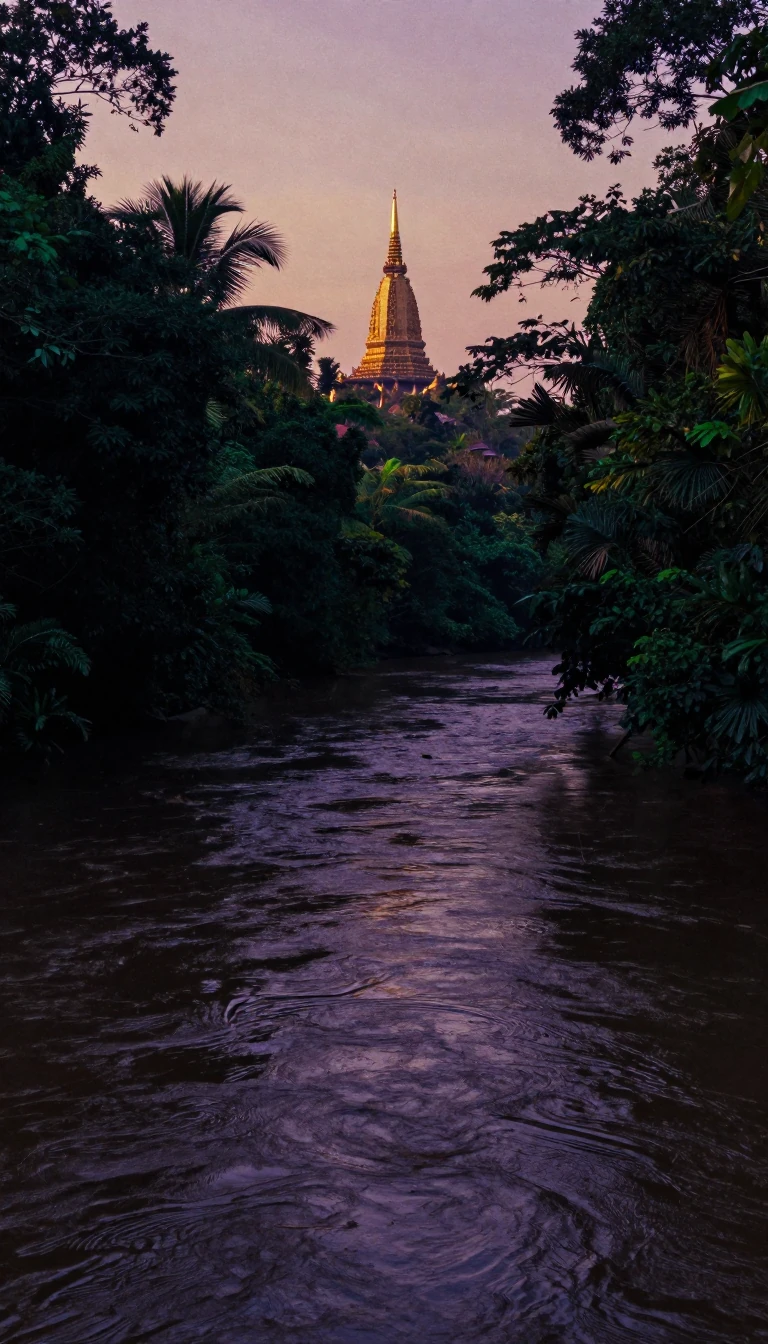 Tibeto-Burman cities irrigated Myanmar for a millenniumFrom about the second century BC to the mid-eleventh century, Pyu city-states dotted Upper Myanmar's irrigated basins. Walled centers such as Beikthano, Halin, and Sri Ksetra sat …
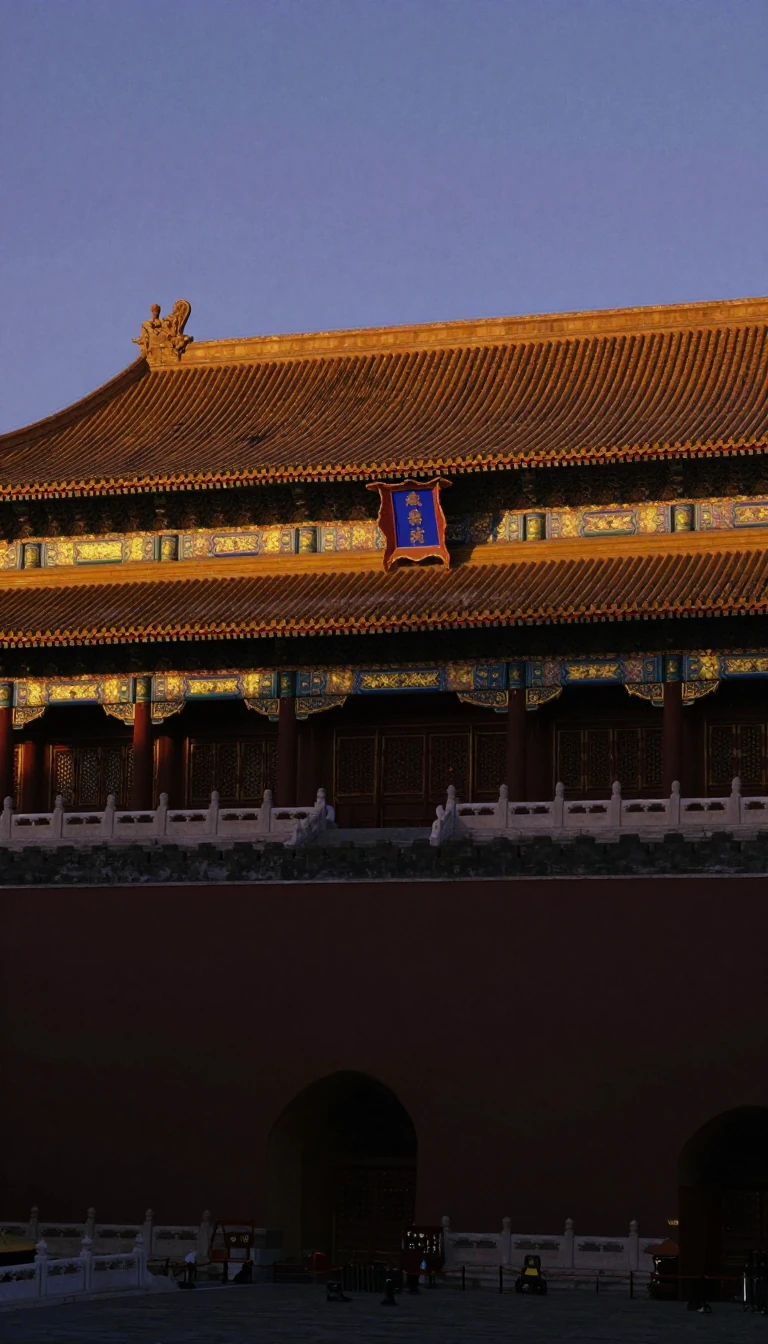 Ying Zheng crushed six rivals and coined China imperialFrom 230 BC the state of Qin under King Ying Zheng conquered its Warring States peers, finishing unification in 221 BC. Shang Yang's earlier reforms had forged a centralized war m…
 Seven kings, zero archives: Rome's regal fogTradition dates Rome's monarchy from about 753 BC on the Palatine by the Tiber to the Republic's birth around 509 BC. Almost no contemporary records survive; Livy, Plutarch, and D…
- First Americans likely followed game across vanished BeringiaPaleo-Indians were the first peoples to enter the Americas near the end of the Late Pleistocene. Traditional models send big-game hunters from North Asia over the Beringia land br…
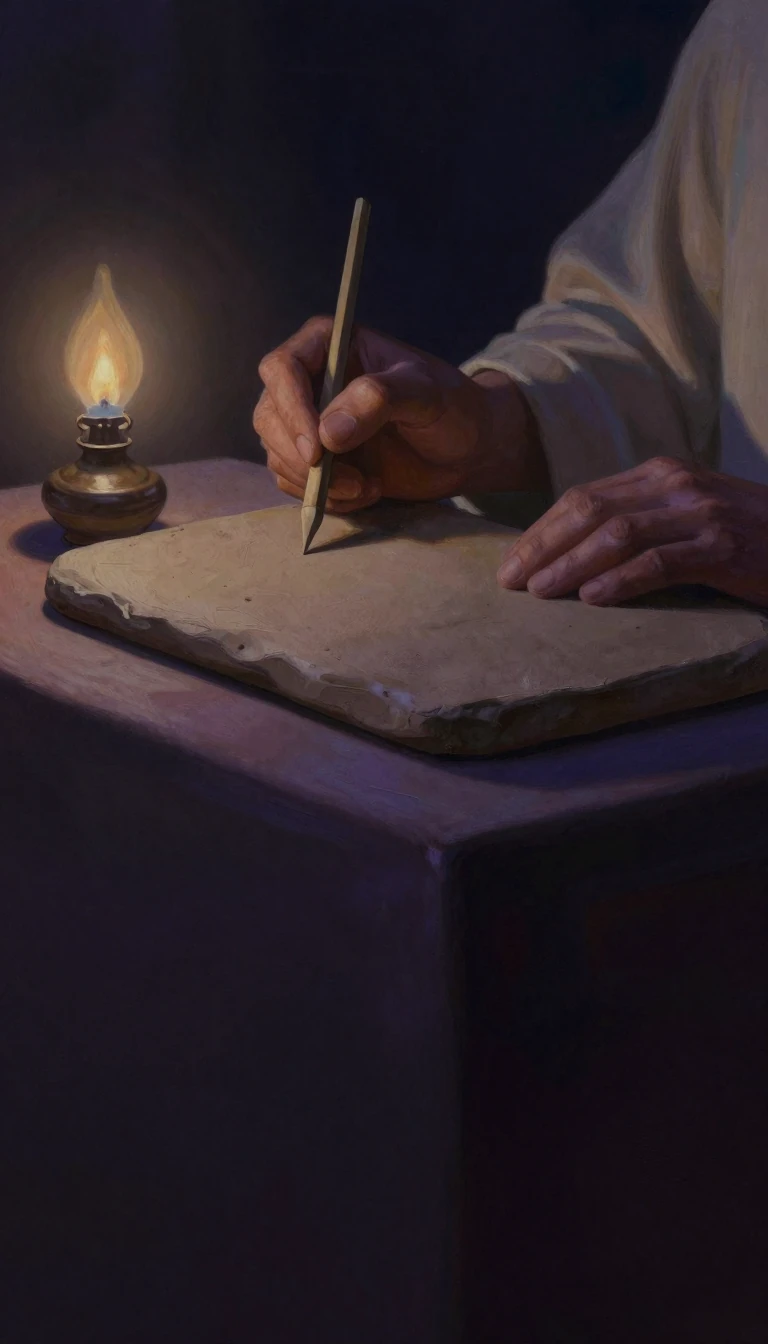 Linear B tablets prove Greeks ran palaces before HomerMycenaean civilization dominated mainland Greece roughly 1750–1050 BC—the first advanced Greek culture with palaces, art, and writing. Their syllabic Linear B script preserves the…
 Vietnam's name flips an ancient southern kingdom's titleGeneral Zhao Tuo founded Nanyue in 204 BC; his family—the Triệu dynasty in Vietnamese—ruled until Han conquest in 111 BC. The realm spanned Guangdong, Guangxi, Hainan, Hong Kong, …
- Rome's Five Good Emperors were mostly chosen by adoptionSeven rulers from Nerva to Commodus held Rome between 96 and 192 AD. The first five—Nerva, Trajan, Hadrian, Antoninus Pius, and Marcus Aurelius—are popularly the Five Good Emperor…
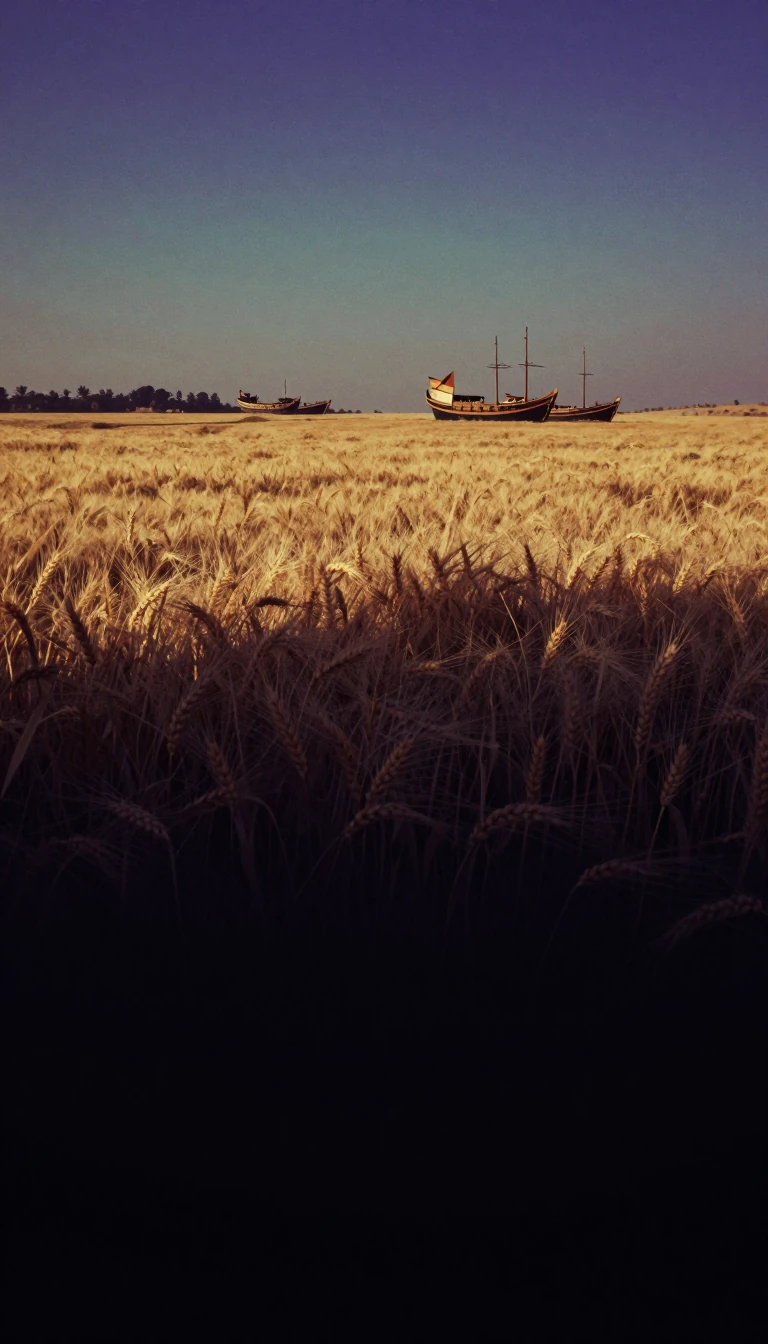 Egypt's empire age stretched from Ahmose to the RamessidesThe New Kingdom—Egypt's imperial peak—covers the Eighteenth through Twentieth Dynasties from the sixteenth to the eleventh century BC. Radiocarbon work places its start between 15…
 Nigerian tin mines revealed Africa's earliest big sculpturesNok culture takes its name from a Kaduna State village where terracottas surfaced in 1928 tin digs. Excluding ancient Egypt, these figures are continental Africa's earliest large …
 China split north and south for 169 years before Sui reunitedFrom 420 to 589 AD, Northern and Southern dynasties divided China after the Sixteen Kingdoms and Eastern Jin. Sinicization sped among northern non-Han peoples and southern indigen…
 Thrace's first big kingdom rose when Persia stumbled in EuropeThe Odrysian kingdom united Thracian tribes across today's Bulgaria, southeast Romania, northern Greece, and European Turkey from the early fifth century BC. King Teres I founded …
 Korea's first kingdom mixes bear myths with Han conquest datesOld Chosŏn, or Gojoseon, is remembered as the Korean Peninsula's first kingdom. Samguk yusa dates Tan'gun's founding to 2333 BCE—a heavenly prince and bear-woman tale central to K…
 Rubber people carved colossal heads in Gulf Coast swampsOlmec civilization flourished in Veracruz and Tabasco roughly 1200–400 BC, a Mesoamerican cradle first centered at San Lorenzo Tenochtitlán then La Venta. Aztec-era Nahuatl called…
 Rome’s western fall rode waves of moving peoplesFrom roughly 300 to 600 AD, historians mark a Migration Period when Goths, Vandals, Huns, and many others entered or crossed former Roman lands. Some date it tighter—from the Hunn…
 We call them Minoans; they never used that nameBronze Age Crete built palatial mazes, exported crafts and crops for scarce metals, and invented scripts we still cannot fully read. Arthur Evans popularized “Minoan” from mythica…
- Mitanni’s kings spoke Hurrian with an Indo-Aryan twistFrom about 1550 to 1260 BC, Mitanni ruled a Hurrian-speaking kingdom across northern Syria and southeast Anatolia, pressed by Hittites, Egyptians, Kassites, and later Assyrians. N…
 Rome learned eastern empire by fighting Macedon repeatedlyBetween 214 and 148 BC the Roman Republic waged a chain of Macedonian Wars that pulled Greece and the eastern Mediterranean into its orbit. Polybius later asked how Rome mastered …
 Magadha rose where Vedic orthodoxy once pointed fingersOn the eastern Ganges plain, Magadha began as one of sixteen Mahajanapadas and ended as the launchpad of pan-Indian empires. Early Vedic texts listed Magadhas among outsiders who …
 Ashoka’s edicts never even use the word MauryaChandragupta Maurya founded a Magadha-based Iron Age empire around 320 BCE that lasted, loosely knit, until 185 BCE. Greek snippets of Megasthenes and later inscriptions remember …
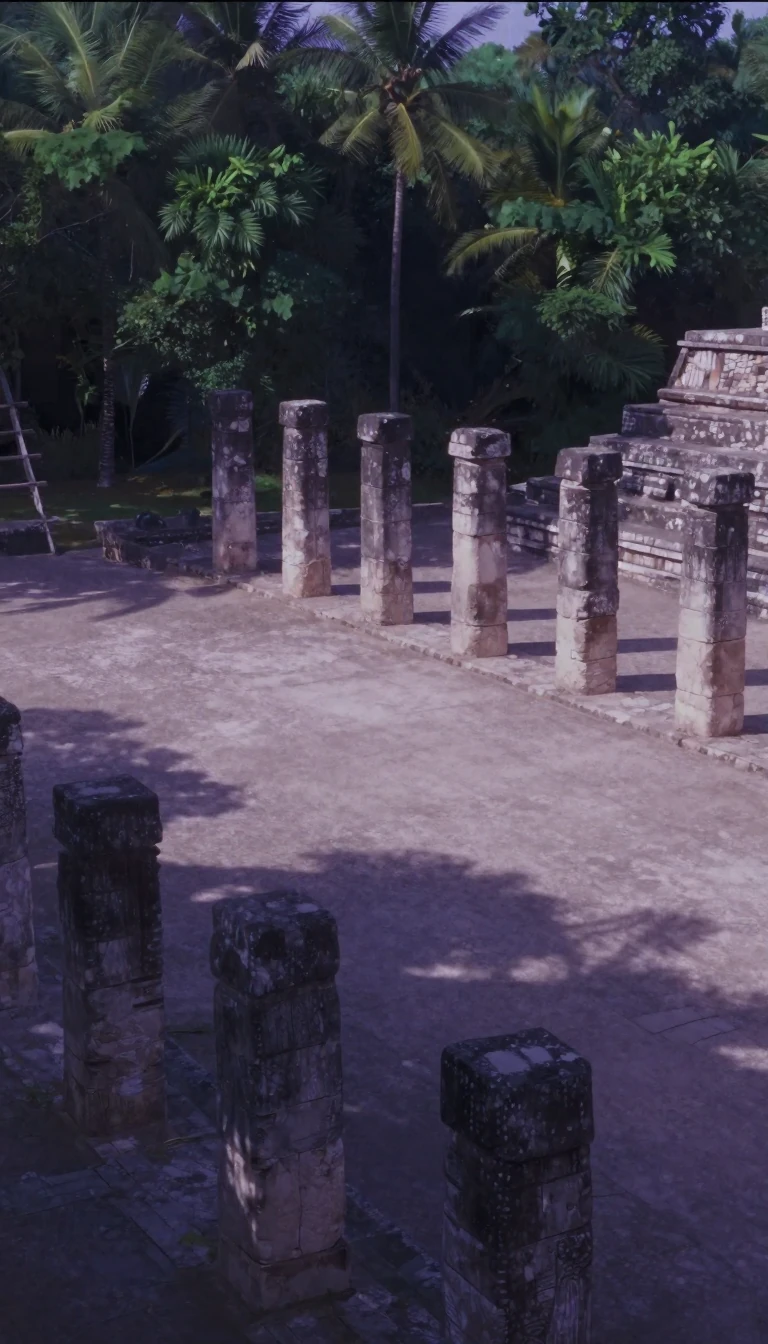 Maya never meant one nation to the people themselvesFrom archaic farming before 2000 BC to the 1697 fall of Nojpetén, Maya cities filled southeastern Mexico and northern Central America with temples, mathematics, and the Americas’ …
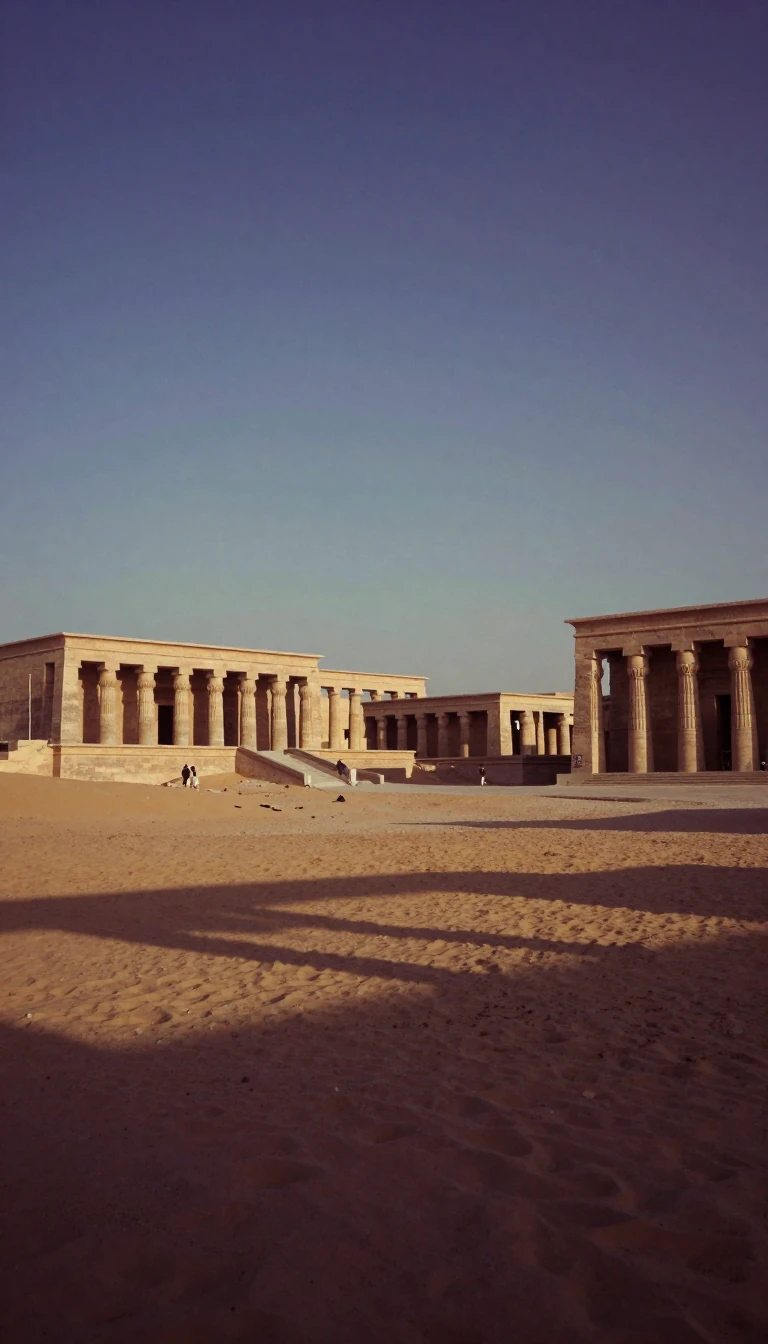 The Medes left power—but almost no words of their ownIron Age Medes spoke a Median language across western and northern Iran, yet they left no native archives. Assyrian, Babylonian, and Greek writers sketched them instead, and archa…
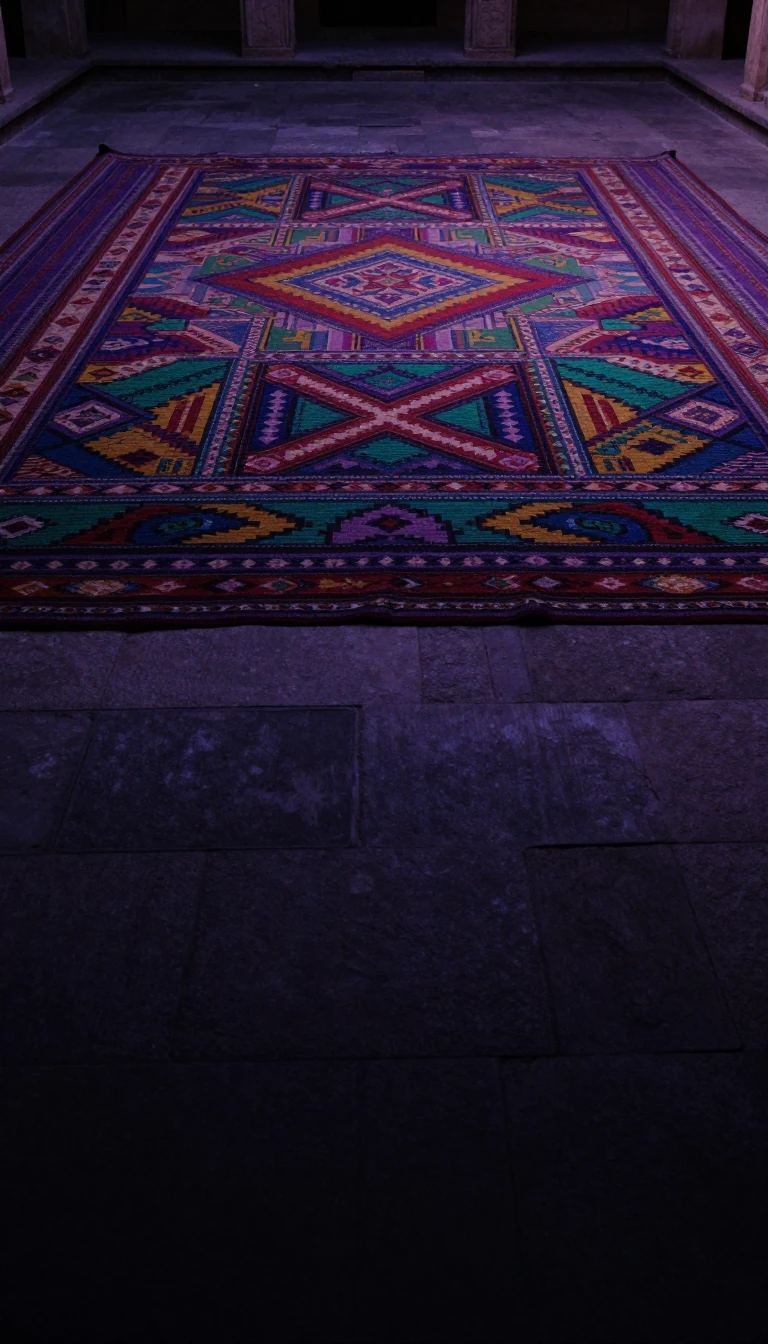 Mesoamerica is one of only five places where writing was inventedFrom central Mexico through Guatemala, Belize, El Salvador, and into Nicaragua and Costa Rica, Mesoamerica names a shared cultural mosaic—not a single empire. Indigenous societies…
- Đại Việt was Vietnam’s official royal name for centuriesFrom the tenth century into the early nineteenth, Vietnamese monarchies centered near modern Hanoi styled themselves Đại Việt—Great Việt. Đinh Bộ Lĩnh adopted the related name Đại…
 Japan’s Jōmon era lasted roughly fourteen thousand yearsBetween about 14,000 and 300 BC, the Japanese archipelago hosted Jōmon communities—diverse hunter-gatherers and early farmers who settled enough to build a dense material culture.…
 Rome’s first five emperors were one adoptive family treeAugustus, Tiberius, Caligula, Claudius and Nero—the Julio-Claudians—ruled from 27 BC until Nero’s suicide in AD 68. The label blends two clans, the Julii Caesares and Claudii Nero…
 Ancient Armenia lasted from Alexander’s wake until 428 ADGreater Armenia spanned 331 BC to 428 AD under Orontid, Artaxiad and Arsacid dynasties. Born from an Achaemenid satrapy on Urartu’s ruins, it peaked under Tigranes the Great in th…
- Classical Iberia was a Georgian kingdom, not SpainGreco-Roman writers called Kartli—in today’s eastern Georgia—Iberia. The Caucasian kingdom swung between independence and Sassanid or Roman overlordship, adopted Christianity unde…
- Egypt’s Land of Punt shipped gold, incense and ebonyAncient Egyptian records praise Punt as a trading partner that sent gold, aromatic resins, blackwood, ebony, ivory and wild animals. Pharaoh Sahure launched a famous Fifth Dynasty…
- Lydia minted some of the world’s first coins from electrumIn western Anatolia’s Iron Age, Lydians built a rich kingdom around Sardis, famous for gold and for electrum coins dated to about the seventh century BCE. Croesus and Alyattes pus…
- Vietnam's founding dynasty begins in chronicle, not digsVietnamese historiography places the Hồng Bàng era from Kinh Dương Vương's rule over Văn Lang in 2879 BC until An Dương Vương's conquest in 258 BC. The name itself is a Sino-Vietn…
- Hittite is the oldest written Indo-European languageAnatolian Indo-Europeans built a Bronze Age superpower at Hattusa, matching Egypt and Assyria for influence. Their tongue, nešili, sits with Luwian as the earliest historically at…
 Attila's Huns raided Rome then vanished as a stateNomads from the Eurasian steppe reached the Volga by about 370 CE and shook Europe's frontiers. Under Attila they battered the Eastern Empire, fought Romans and Visigoths in Gaul …
 Greek kings ruled the Indus two centuries after AlexanderWhen Graeco-Bactrian Demetrius I pushed into India around 200 BC, Hellenistic states took root from Taxila to Sagala. Their coins mixed Greek and Indian scripts and gods; Menander…
 Saka horsemen replaced Greek kings in northwest IndiaIranic Scythian nomads drifted south from Central Asia into Afghanistan, eastern Iran, and the Indus world across the mid-second century BCE to the fourth century CE. Maues plante…
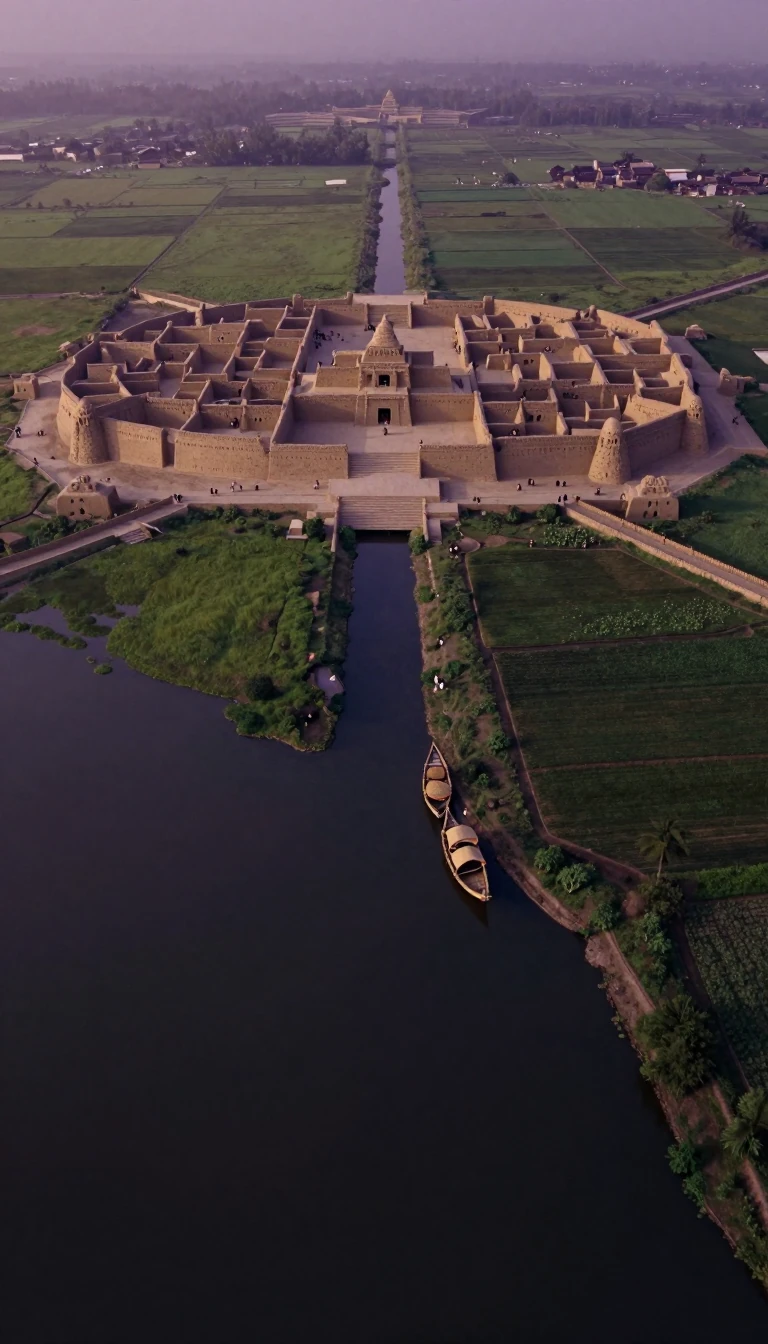 Harappa revealed a Bronze Age peer of Egypt and SumerFrom 3300 to 1300 BCE—mature between 2600 and 1900—the Indus Valley Civilisation ranked with Egypt, Mesopotamia, and China among the ancient world's great river cultures. Planned …
 Iron needed furnace heat bronze-age smiths rarely reachedEarth's crust is rich in iron, yet useful smelting demands temperatures above about 1,250 °C. That barrier kept most societies on bronze until the late second millennium BC—while …
 Etruscans built Italy's towers before Rome swallowed their leagueBy about 900 BC the Villanovan Iron Age already looked Etruscan. Their federation of cities peaked around 500 BC across Tuscany, Umbria, northern Lazio, and beyond. Rome won the l…
- Rome did not fall in a day—control drained until 476In 376 Goths fleeing the Huns crossed into the empire and could not be crushed. After Theodosius I died in 395, weak sons and civil war left the West brittle. By 476 the western e…
 The crescent between deserts gave civilization its first farmsThe name Fertile Crescent is modern, coined by James Henry Breasted around 1914. Yet this Middle Eastern arc between the Tigris, Euphrates, and Jordan rivers hosted the world's fi…
- Caesar conquered Gaul in eight years and rewrote the story himselfBetween 58 and 50 BC Julius Caesar fought Gallic, Germanic, and Brittonic tribes across present-day France, Belgium, and Switzerland. Vercingetorix united the Gauls too late; Ales…
- Germanic Goths sacked Rome then split into kingdoms across EuropeFirst mentioned in the third century AD north of the Lower Danube, the Goths raided Rome, defeated imperial armies at Adrianople in 378, and sacked the city itself in 410. Visigot…
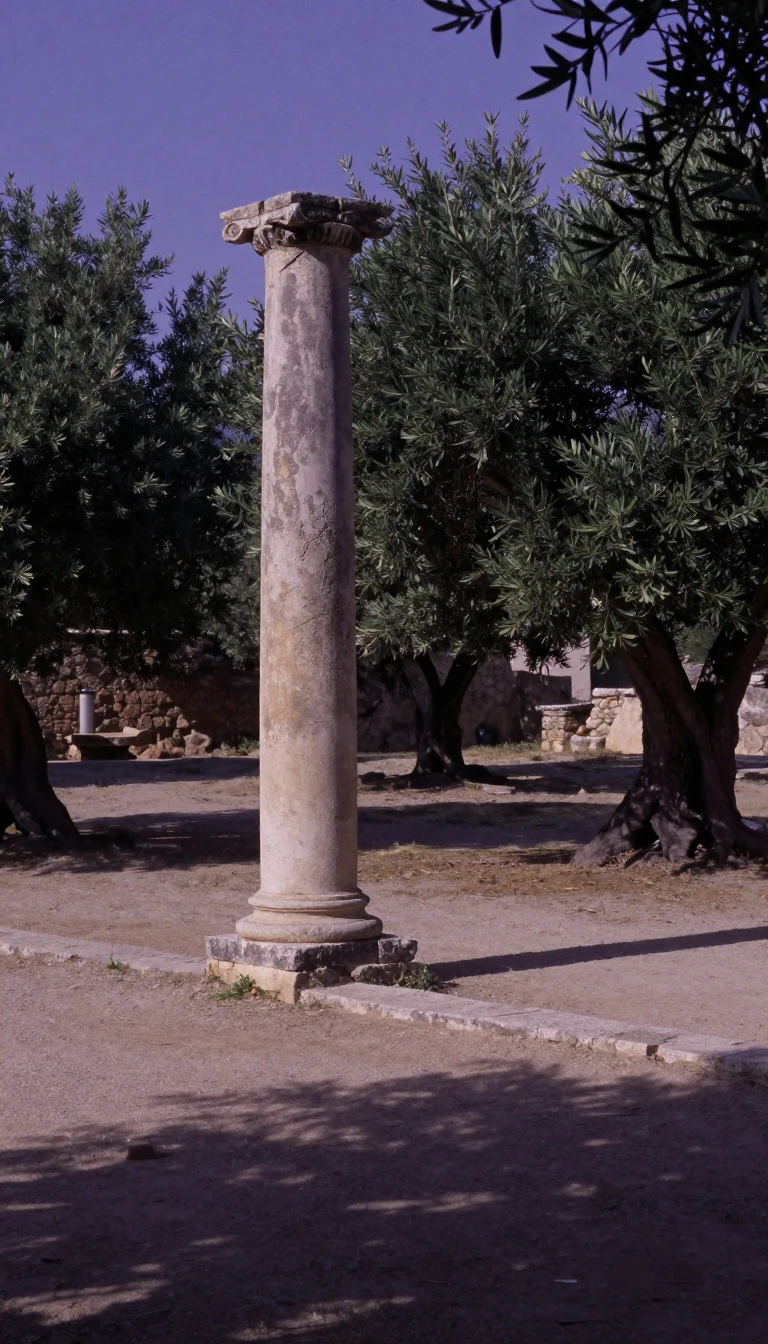 Tiny Greek cities stopped the world's largest empire for fifty yearsFrom 499 to 449 BC Greek city-states fought the Achaemenid Empire after Persia conquered Ionia. Marathon in 490 BC, Thermopylae and Salamis in 480 BC, and Plataea in 479 BC turned…
- India's Gupta era fixed the great epics and nurtured Kalidasa and AryabhataFrom the mid-third to mid-sixth century CE the Gupta dynasty ruled much of northern India. Under Samudragupta, Chandragupta II, and Kumaragupta I, scholars like Kalidasa and Aryab…
- The Han dynasty named China and invented paper, seismometers, and silk roadsLiu Bang's Han dynasty ruled from 202 BC to 220 AD, interrupted only by Wang Mang's Xin dynasty from 9 to 23 AD. Modern Chinese call themselves Han people and their language Han. …
- Classical antiquity spans thirteen centuries of Mediterranean cultureConvention pins classical antiquity between Homer's eighth-century BC epics and the Western Roman Empire's fall in 476 AD. Greek culture, mixed with Near Eastern influences, shape…
- Athenian democracy began in 508 BC and funded a silver fleetAthens, the Attic polis, installed democracy in 508 BC and kept forms of it for centuries. Victory at Marathon and later Salamis and Plataea lifted its prestige. Laurion silver th…
- Clovis hunters left fluted points across North AmericaFor a brief window about 13,050 to 12,750 years ago, Clovis groups spread distinctive stone points across North America. They hunted megafauna as mobile foragers. A teenager's 192…
- Rome nearly broke apart under twenty-six rival emperorsFrom 235 AD, after troops murdered Severus Alexander, the Roman Empire staggered through invasions, plague, and civil war. At least twenty-six men claimed the purple. Aurelian's r…
- Were the Dacians named for wolves?Dacians were Indo-European peoples of the Carpathian region later called Dacia. Greeks often wrote Getae; Romans said Daci. By the late first century AD, most inhabitants of lands…
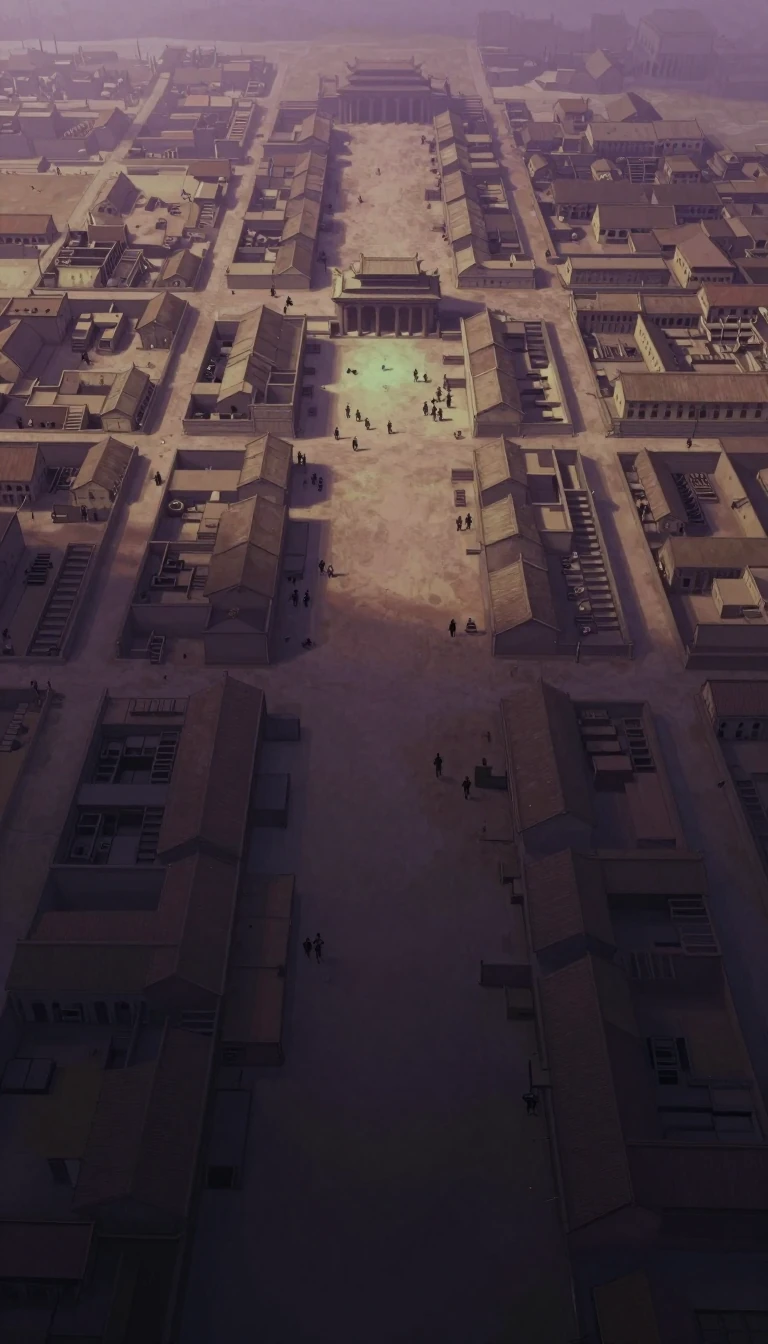 The Delian League began as anti-Persian and became Athens' empireIn 478 BC, between about 150 and 330 Greek cities joined a confederacy on Delos under Athenian leadership to keep fighting Persia. Allies increasingly paid cash instead of ships. …
 Ebla's archive age made a Syrian kingdom briefly immortalEbla rose from an Early Bronze Age village about 3500 BC into a trading power that dominated stretches of Syria. Its palace archives around 2400–2300 BC still define the site—even…
- Elam was a Mesopotamian label for many highland peoplesElam occupied lowlands and highlands of what is now western Iran and bits of southern Iraq. Writing appears around 3000 BC beside Sumer. Scholar Daniel Potts argues the name itsel…