 Intellect Plus
Ancient
561 cards. Each one is a 40-second story with a five-minute read behind it. Page 8 of 10.
 Krishna's big brother fought with a plough, and once outranked himBalarama, elder brother of Krishna, carries a plough as his weapon and was worshipped as a farming god long before he joined Vishnu's avatars. On Indo-Greek coins from the second …
 Lithuanian and Russian descend from one lost ancestral tongue, most linguists agreeBaltic languages such as Lithuanian and Latvian share quirks with the Slavic family that no other branch of Indo-European has. For over a century linguists fought over whether tha…
 Themistocles lured Persia's huge navy into a strait too narrow to fight inIn 480 BC Athens had been evacuated and Xerxes's army held the city. The Greek fleet, badly outnumbered, sat off the island of Salamis. Themistocles then sent a message to the Per…
 Were the Bell Beakers a people on the move, or just a fashionable pot?Around 2800 BCE, a distinctive drinking cup shaped like an upturned bell began turning up from Portugal to Hungary, Sardinia to Ireland, often alongside copper daggers and archers…
 How a Bihar village's name became a language spoken from Fiji to TrinidadAbout 50.5 million people in India speak Bhojpuri, named after a village capital founded by descendants of Raja Bhoj. Between 1838 and 1917 plantation labourers carried it to Fiji…
- Scythian warriors were allowed only three blood brothers at a timeSwearing brotherhood by mixing blood turns up almost everywhere: Viking sagas, Scythian wine cups, Philippine treaty rites, Mongol steppe alliances and Balkan rebel bands. The Scy…
 Nigeria's Borno State is the heir to a thousand-year Saharan empireBorno is the only Nigerian state touching three countries, Niger, Chad and Cameroon, and it holds Nigeria's share of Lake Chad. Its name and its emirs descend from the Kanem-Bornu…
 Zoroastrian scripture survived for centuries in a language nobody spokeAvestan, the sacred language of Zoroastrianism, died out long before anyone wrote it down. Priests carried its hymns by memory for centuries, and when an alphabet was finally inve…
 The famous Aztec calendar stone is not actually a calendarThe great carved disc in Mexico City's National Museum of Anthropology is often called the Aztec calendar stone, but it is the sun stone. The real calendar meshed a 365-day solar …
- Baal started as an ordinary word for owner, and still means husbandBefore Baal was a god, baʿal was simply a Semitic title meaning owner or lord. It became the favoured name of the storm god Hadad, perhaps because his true name was too holy to sa…
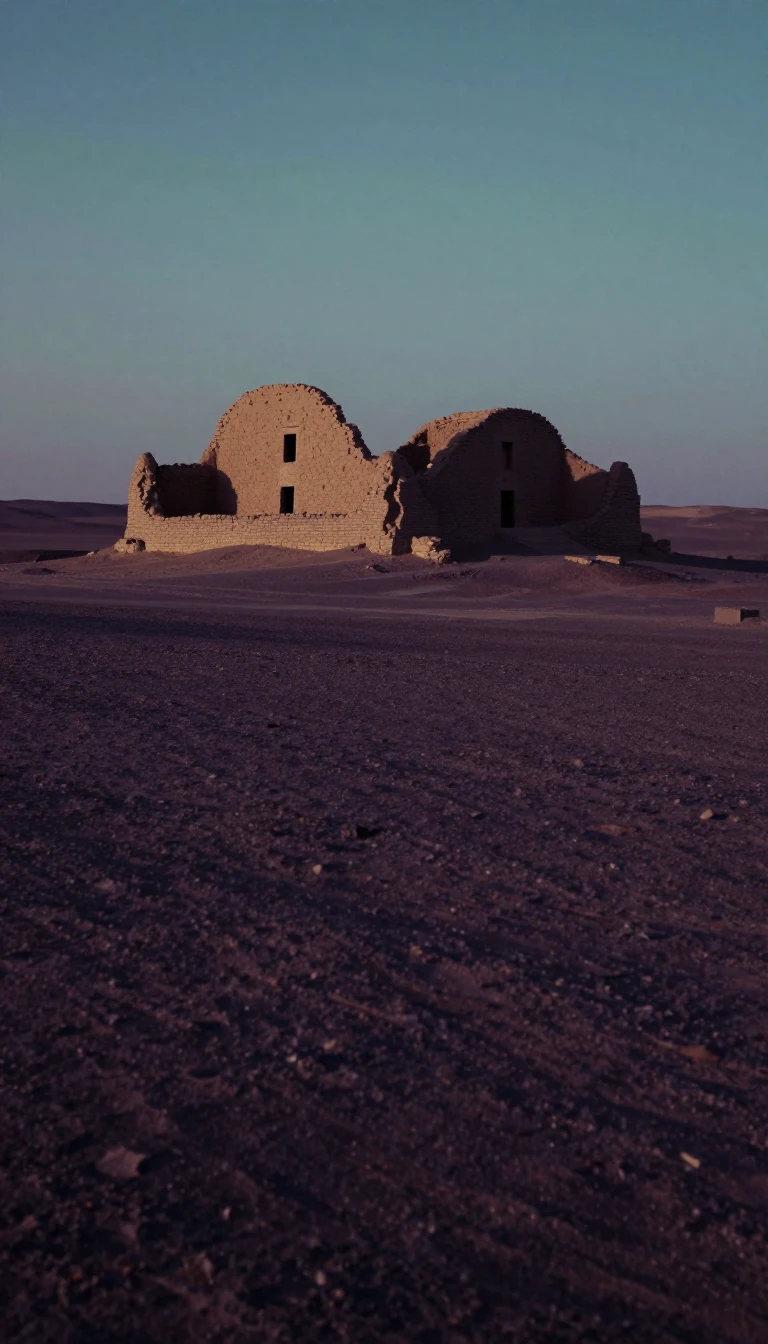 A forgotten Bronze Age civilisation built walled cities in Central Asia's desertsAround 2000 BC, fortified towns with palaces, temples and reservoirs stood in what is now Turkmenistan, Uzbekistan and Afghanistan. Soviet digs uncovered this Oxus civilisation, b…
- The Aromanians' name for themselves comes straight from the Latin word for RomanScattered across Greece, Albania, North Macedonia and Bulgaria, the Aromanians speak a Romance language close to Romanian, a living echo of the Latin once spoken in the Balkans. T…
 Lions once roamed from Arabia to central India; now wild ones survive only in GujaratUntil the 19th century, lions prowled from Saudi Arabia and eastern Turkey across Iran and Mesopotamia to central India. Today every wild Asiatic lion lives in and around Gujarat'…
 Egypt tried worshipping a single sun god for twenty years, then erased itIn the 14th century BC the pharaoh Akhenaten raised the Aten, the disc of the sun, above every other god, shut traditional temples and built a new capital in its honour. The exper…
 Attica's villages lost their independence only when Cleisthenes redrew the mapLegend says twelve small communities of Attica were merged into Athens by the mythical king Theseus. Historians think the absorption was slower, stretching through the 8th and 7th…
- Argos has been lived in for 7,000 years and spent centuries fighting SpartaPeople have lived at the foot of Aspida hill in Argos since a late Neolithic village about 7,000 years ago, making it one of the oldest continuously inhabited cities anywhere. In …
 Refugees built a new Armenia on the Mediterranean and befriended the CrusadersDriven from their highlands by Byzantine annexation and the Seljuk advance, Armenians rebuilt a state on the Cilician coast of what is now southern Turkey. For nearly three centur…
 The first Christian state also invented its own alphabet in 405 ADArmenians call themselves Hay, a name tradition traces to a legendary patriarch who founded the nation near Ararat. Their kingdom became the first to make Christianity a state rel…
- A mother's boast chained Andromeda to a rock and put her in the starsQueen Cassiopeia claimed to outshine the sea nymphs, so Poseidon loosed a monster on Aethiopia and an oracle demanded her daughter as payment. Perseus, flying home with Medusa's h…
 The Roman emperor who ruled 23 years and probably never saw a legionAntoninus Pius presided over the calmest stretch of Rome's Principate, from AD 138 to 161, and one historian doubts he ever came within five hundred miles of a legion. Yet his rei…
- The Arameans lost their kingdoms to Assyria, but their language conquered empiresThe Arameans never formed a single nation, and Assyria swallowed their city-states in the 8th century BCE. Yet Assyria's habit of uprooting conquered peoples scattered Aramaic spe…
- Maize farmers by the Great Lakes became the Arapaho, horse nomads of the plainsAround 3,000 years ago the ancestors of the Arapaho grew maize in the Red River Valley. Pushed west by the Ojibwe, they reached the Great Plains before 1700, swapped dog-drawn tra…
 A librarian's epic about the Golden Fleece helped invent the romance novelApollonius of Rhodes wrote the Argonautica in the age of the Library of Alexandria, packing Jason's voyage for the Golden Fleece with geography, religion and origin stories. Its r…
 Oliver Stone recut his flop Alexander three times over a decadeOliver Stone's Alexander cost $155 million, earned a D-plus from audiences and six Razzie nominations, and lost as much as $71 million. Stone refused to let it go. Over the next d…
- Kahlil Gibran's The Prophet sold just 1,159 copies in its first yearA $5,000 advance from a father launched one of America's great publishers in 1915. Knopf went on to sign Willa Cather, Julia Child and Toni Morrison, and to champion a slow-burnin…
- Jordan's capital Amman takes its name from the ancient kingdom of AmmonAmman, Jordan's capital, stands on the site of Rabbah, chief city of the Ammonites, a small kingdom east of the Jordan River that outlasted Assyrian and Babylonian conquerors. A G…
 Anambra's name began as colonial shorthand: the Anam branch of the riverIn south-eastern Nigeria, bronzes dug up at Igbo-Ukwu reveal a kingdom whose priest-kings held sway for nearly a thousand years. Today the same state is home to one of West Africa…
 Egypt signed history's earliest known peace treaty, with the Hittites of AnatoliaAround 3150 BC a ruler named Menes joined Upper and Lower Egypt into one state. What followed lasted roughly three thousand years, built pyramids and obelisks, invented planked bo…
 Ajax is never wounded in the Iliad, yet he lost the one contest that matteredSecond only to Achilles among the Greeks at Troy, Ajax fought Hector to a standstill, held the ships almost single-handed and carried Achilles' body off the field. He lost the dea…
 Europe's first farmers set out from the shores of the AegeanBefore 5000 BC, Neolithic farmers from Greece were carrying agriculture westward across Europe, one branch up the Danube and another along the Mediterranean to Iberia and eventual…
- Rome chose a defeated Trojan, not a Greek victor, as its founding heroAeneas was a minor figure in Homer's Iliad, a Trojan the gods kept rescuing as if saving him for something. Rome supplied the something. In Virgil's Aeneid he escapes burning Troy…
- Race-based slavery in colonial America was built law by law, not inheritedThe first Africans recorded in English Virginia arrived in August 1619 as indentured servants, a status that ended after years of unpaid work. By the 1640s some African families a…
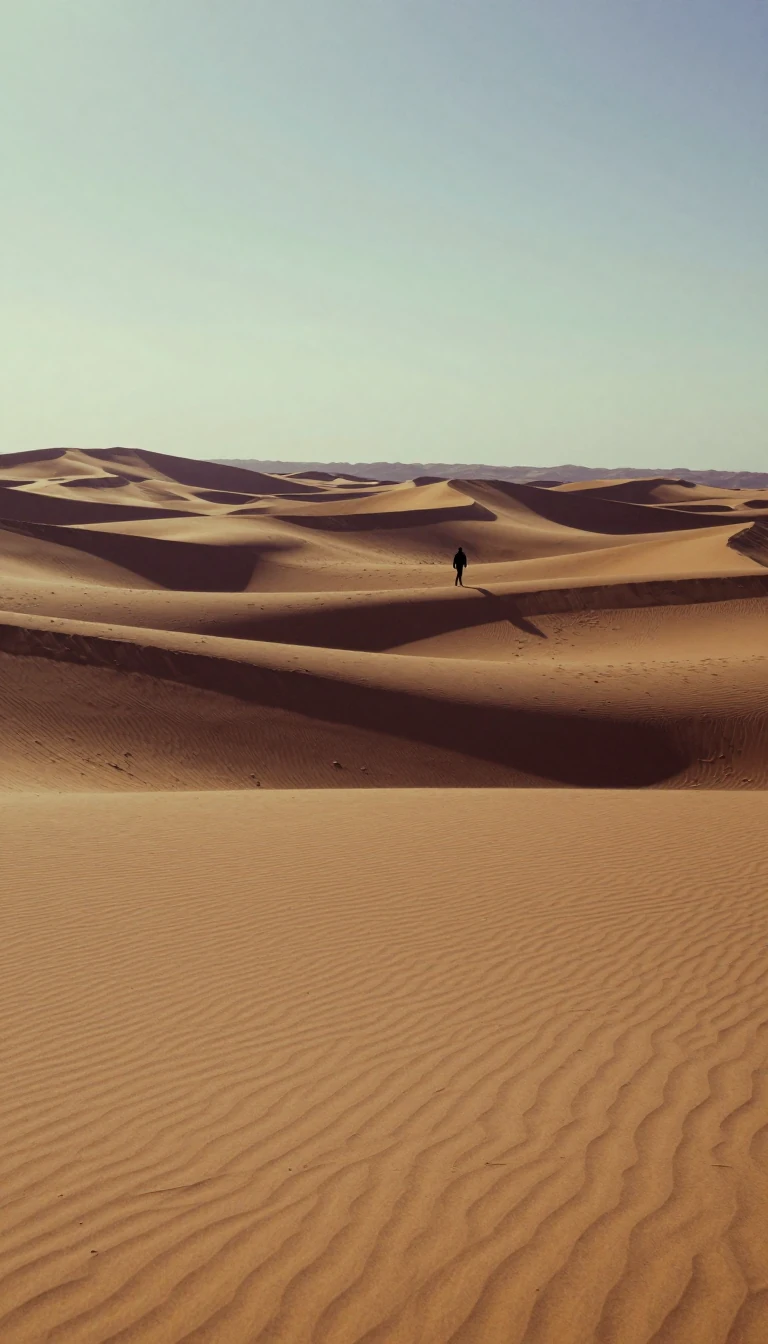 The Sahara was grassland dotted with lakes until about 5,000 years agoAround 14,500 years ago the Sahara began turning green. Grass, trees and lakes spread across North Africa, people herded cattle and paddled canoes where there is now sand, and pai…
- A herder's son from Khorasan rebuilt Iran's largest empire since the SasaniansNader was born into a humble semi-nomadic family and began as a local warlord. Within about fifteen years he had expelled Afghan invaders, forced Russians and Ottomans to hand bac…
- Cologne owes its Roman name to Nero's formidable mother, AgrippinaAgrippina the Younger was the sister of one emperor, the wife of another and the mother of a third. She survived exile, plotted, and steered her son Nero toward the throne. She wa…
 A fourteen-day Sack of Rome coined modern vandalismThe Vandals were Germanic peoples glimpsed by Roman writers in the first centuries AD, then driven west under Gothic pressure. In 429 King Genseric crossed to North Africa; their …
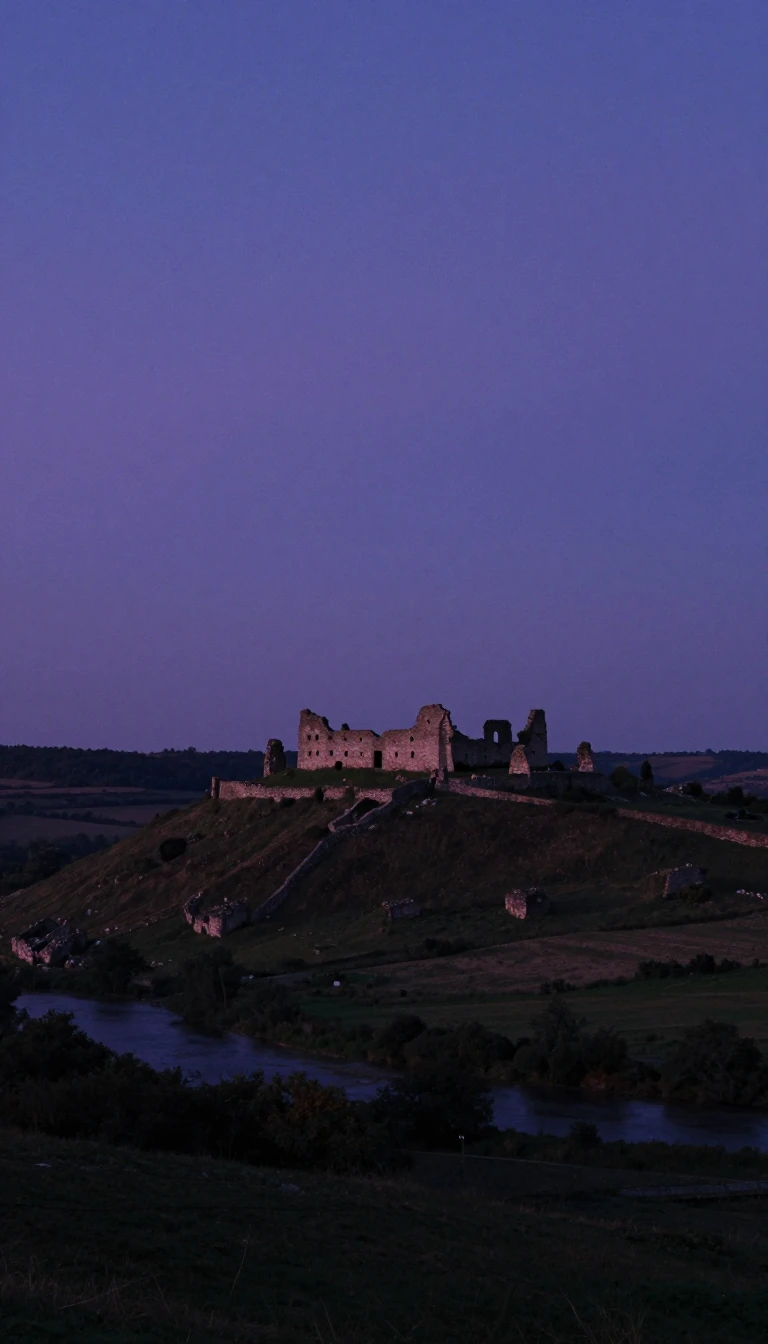 Vedic India composed hymns while clearing Ganges forestsThe Vedic age, roughly 1500–500 BCE, spans late Bronze to early Iron Age India when the Vedas were composed and memorised in Old Indo-Aryan. Early layers (c. 1500–900 BCE) form on…
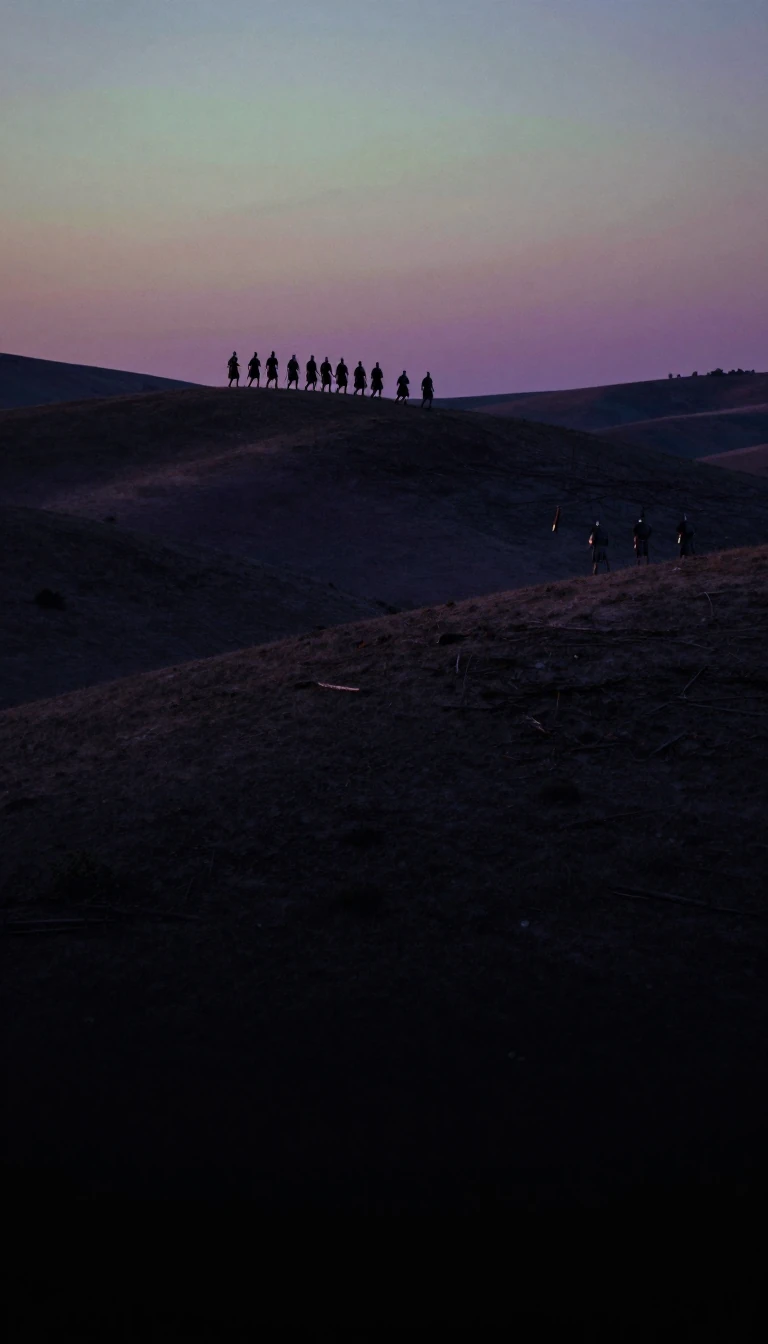 Odoacer’s 476 victory ended the Western imperial courtHistorians call the Western Roman Empire the Latin provinces run by their own court, especially from 395 to 476. After Third Century chaos, Diocletian institutionalised the idea t…
- Xia is China’s first dynasty on paper, still thin in dirtTraditional Chinese history names Xia as the first dynasty, yet no contemporary Xia texts survive and Late Shang oracle bones (thirteenth century BC) never mention it. Classic chr…
- Modu Chanyu forged a steppe empire that besieged a Han founderThe Xiongnu confederacy ruled the eastern Eurasian Steppe from the third century BC into the late first century AD. After 209 BC, Modu Chanyu built an empire on the Mongolian Plat…
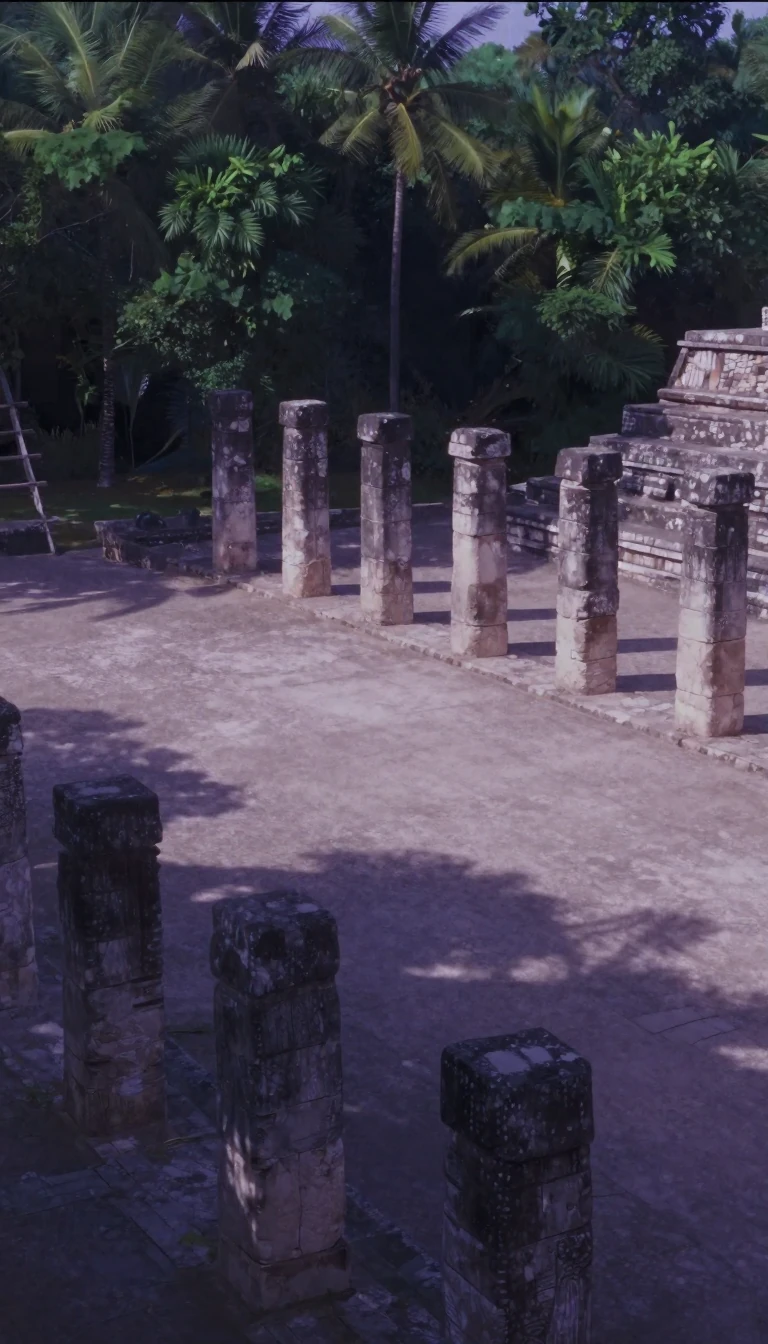 Monte Albán’s hilltop capital watched three Oaxaca valleysZapotec civilization (c. 700 BC–AD 1521) rose in Oaxaca’s Y-shaped Central Valleys. In the late sixth century BC a new mountain settlement—Monte Albán—filled the no-man’s-land ove…
- Zhou ruled China longer than any other royal houseThe Zhou dynasty lasted about 790 years, from roughly 1046 BC to 256 BC—the longest royal span in Chinese history. Western Zhou power later fractured into Spring and Autumn decent…
- Urartu briefly outmuscled Assyria from highland lakesUrartu was an Iron Age kingdom on the Armenian highlands between Lakes Van, Urmia, and Sevan. Emerging in the mid-ninth century BC, it dominated the eighth and seventh centuries, …
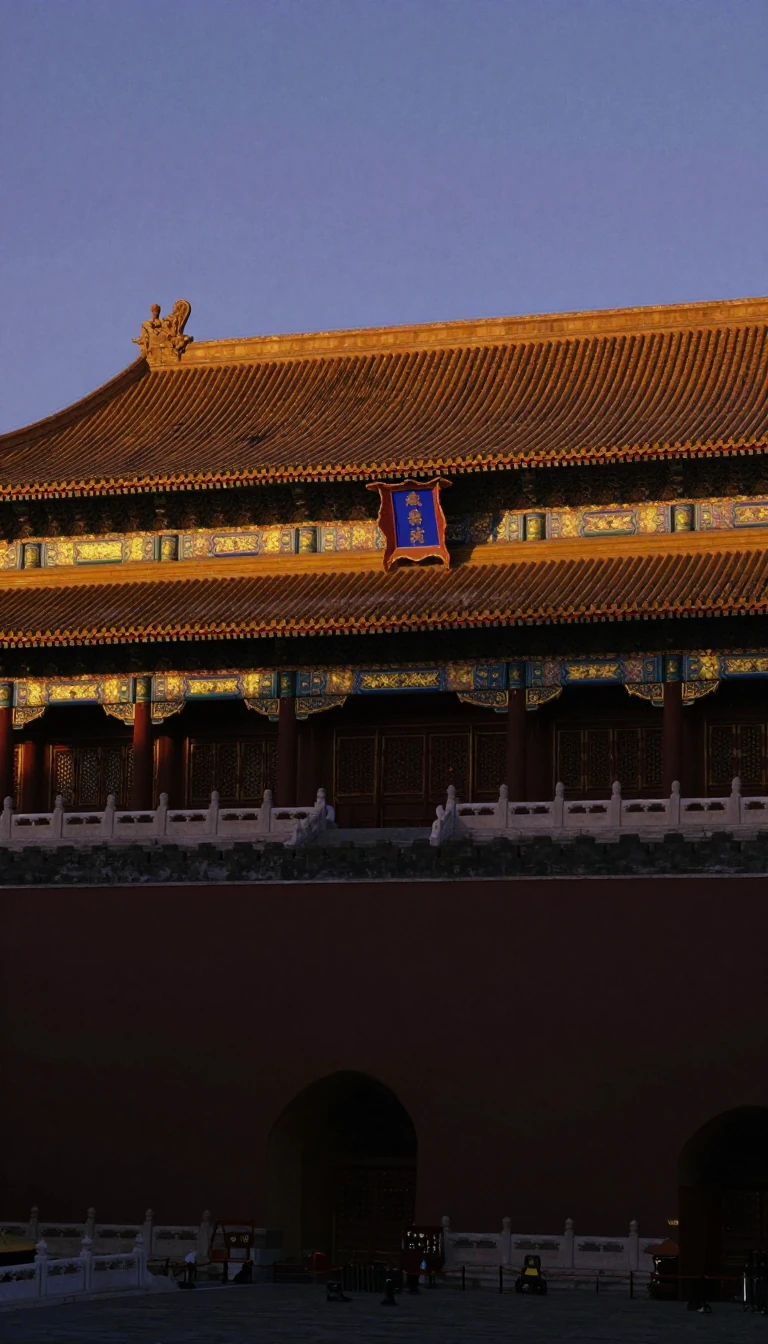 Zhou kings kept the title while vassals took the powerFor roughly three centuries, from c. 770 BCE until 481 BCE, the opening half of the Eastern Zhou saw local lords forge their own alliances and wars while still nodding to the king…
 Sumer invented city life in southern MesopotamiaSumer arose in the south of modern Iraq during the fifth to fourth millennium BC as the earliest known civilization—one cradle beside Egypt, the Indus, China’s Erligang horizon, a…
 China’s Three Kingdoms left fewer people than legend suggestsAfter the Han collapsed, China was divided from 220 to 280 among three rival states: Wei, founded by the Cao clan, Shu Han in the west, and Wu in the east. A Jin census in 280 cou…
 Korea’s three kingdoms forged a peninsula identityGoguryeo, Paekche, and Silla divided the Korean peninsula and roughly half of Manchuria for centuries. When Buyeo fell in 494 and Kaya in 562, only those three were left to fight …
- Tarim manuscripts hid an unexpected Indo-European branchAround 7,600 manuscripts dug up on the northern rim of the Tarim Basin in Xinjiang preserve the Tocharian languages, an Indo-European group nobody knew existed until the early twe…
- Troy’s war sits between myth, Homer, and hillside ruinsGreek myth sets the Trojan War around the 13th or early 12th century BC, when Achaeans besieged Troy after Paris took Helen from Menelaus of Sparta. Ancients treated it as history…
 The Silk Road was a messy network, not one highwayFrom the second century BCE to the mid-fifteenth century, land routes spanning more than 6,400 kilometres tied Asia’s economies and faiths together. The romantic name was populari…
- Sixteen Kingdoms: non-Han emperors first ruled China’s northBetween 304 and 439 CE, northern China shattered into short-lived dynastic states after the Jin order cracked. Most of their founders came from peoples dubbed the Five Barbarians,…
- Sogdian merchants made the Silk Road’s middle languageLying between the Amu Darya and the Syr Darya, in today’s Uzbekistan and Tajikistan, the Sogdian city-states never unified but looked to Samarkand. Their Eastern Iranian language …
- Sparta won Greece’s land wars, then lost its slave engineClassical Sparta—Lacedaemon to the Greeks—rose in the seventh century BC as the Greek world’s top land power. Victory over Athens in 404 BC brought brief hegemony; Theban triumph …
 The Sasanian Empire of the Iranians lasted from 224 to 651Ardashir I founded Eranshahr after Parthia's collapse, claiming Achaemenid restoration. For over four centuries the House of Sasan ruled from Ctesiphon across Iran, Iraq, and far …
 Satavahanas bridged north and south India after the MauryasMost scholars place this Deccan dynasty from the late second century BCE into the early third century CE. Called Andhras in the Puranas, they coined early royal portrait money and…
 Saxon once meant coastal raiders north of the RhineBefore Saxony was a Carolingian stem duchy in 804, Roman writers used Saxon for seaborne attackers much as later ages said Viking. The name is traditionally tied to the seax knife…
 Seleucus built a Greek empire from Babylon to the LevantAfter Alexander's death, Macedonian general Seleucus I Nicator founded a Hellenistic state in 312 BC. From Mesopotamian bases it sprawled across lands now called Iraq, Iran, Afgha…
 Shang is China's first dynasty proved by archaeologyTradition places Shang kings in the Yellow River valley in the second millennium BC between Xia and Western Zhou. At Yinxu near Anyang—the last capital, Yin—digs have exposed roya…
- Sheba's spice wealth outshone the Queen of legendSaba in Yemen likely arose between about 1000 and 800 BCE and lasted in some form before 275 CE. Sabaeans grew rich on frankincense and myrrh, left thousands of inscriptions, and …
- Rome and Iran fought for nearly seven centuriesFrom Crassus's disaster at Carrhae in 53 BC to the final Byzantine–Sasanian clash ending in 628 AD, Roman and Iranian empires traded border towns without lasting conquest. Their s…